
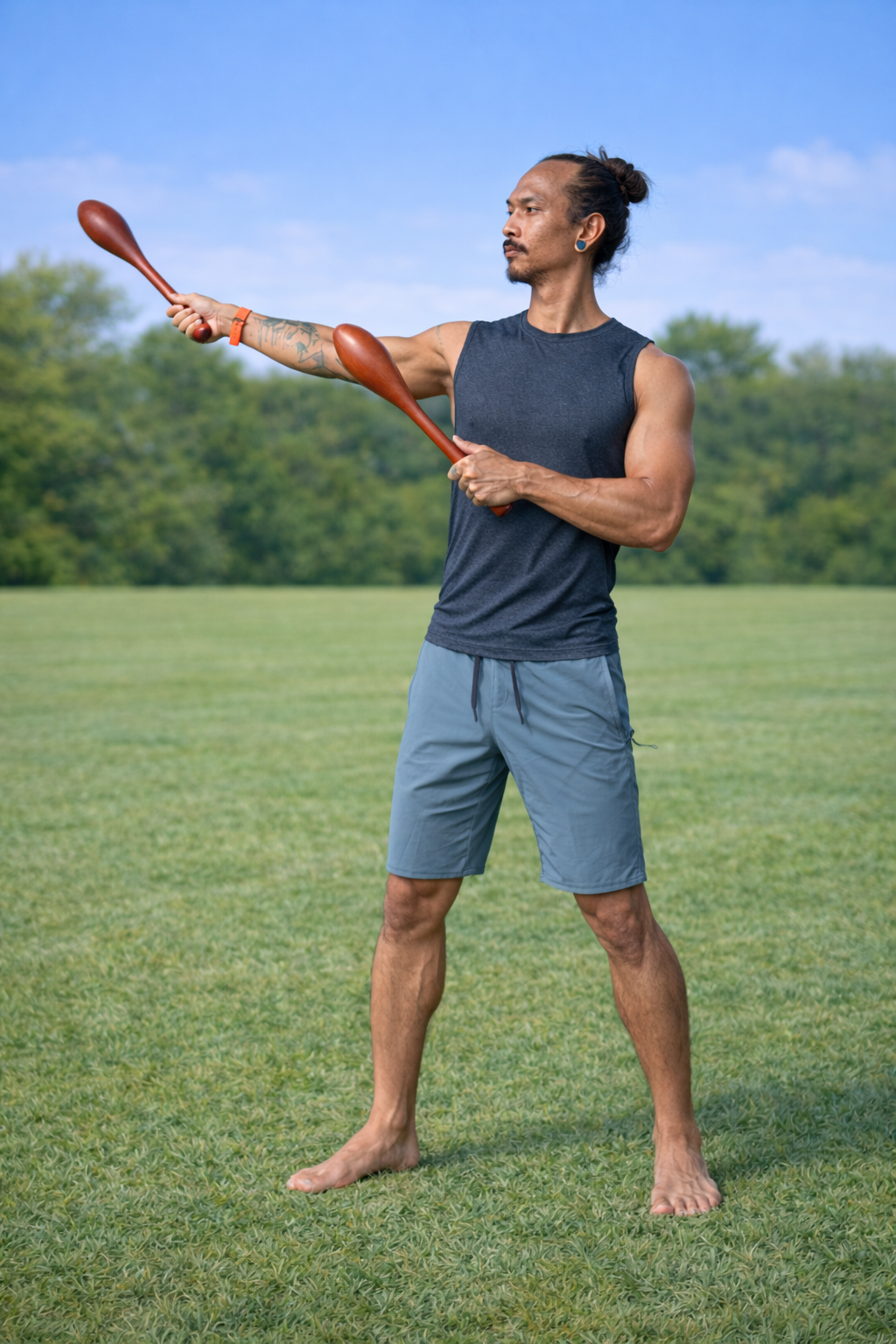
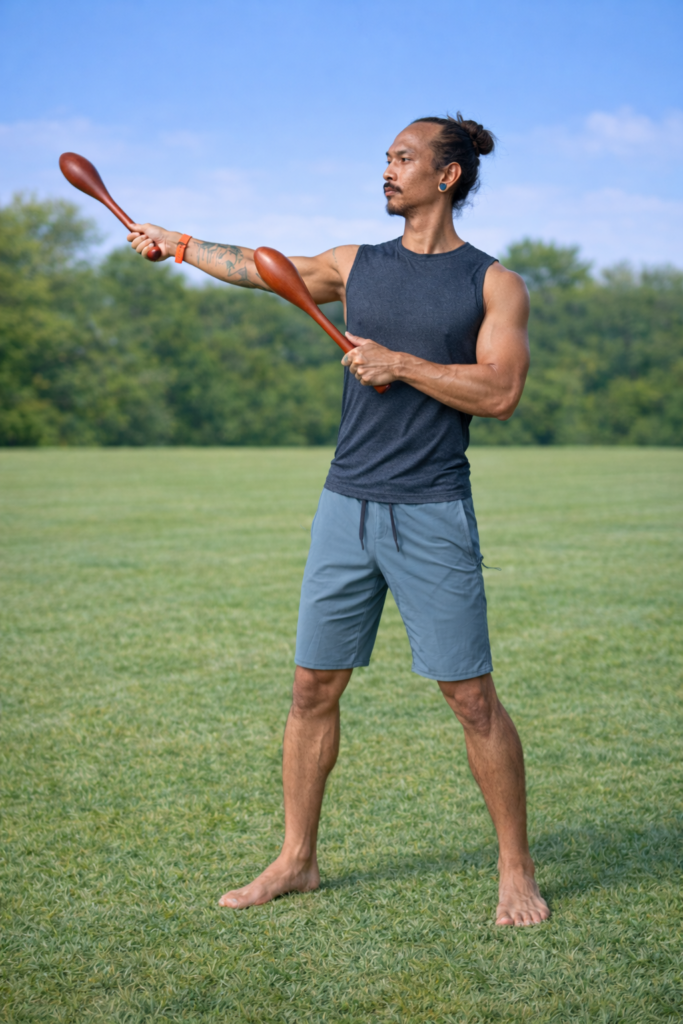
Indian clubs are traditional weighted training tools used for circular strength training, shoulder mobility, coordination, & joint conditioning. Traditional Indian clubs originated as historical training tools from India and Persia, where warriors used them to develop strength, coordination, and joint mobility. Originating from historical physical culture traditions, Indian clubs are now widely used in functional training, sports medicine environments, & modern fitness studios to improve movement quality, functional strength, & long‑term joint health.
The origins of Indian clubs trace back to ancient Persia and India, with the strongest historical record of club swinging for physical culture coming from Iran, where large Meels were introduced to India around 1256 AD during the Mongol invasion.
Unlike traditional training, Indian clubs train the body through circular patterns rather than straight lines. Indian club training is grounded in biomechanics & movement science, ensuring safe & effective practice. The club acts as an extension of the arm, promoting fluid movement & proper technique. This unique stimulus improves joint mobility, core strength, shoulder girdle stability, & nervous system coordination while providing a more engaging fitness experience compared with conventional gym exercises. Indian clubs attract fitness enthusiasts seeking a holistic approach to strength and mobility.
If you have not read our 4 Essentials for Indian Clubs Newbies
Introduction to Indian Clubs
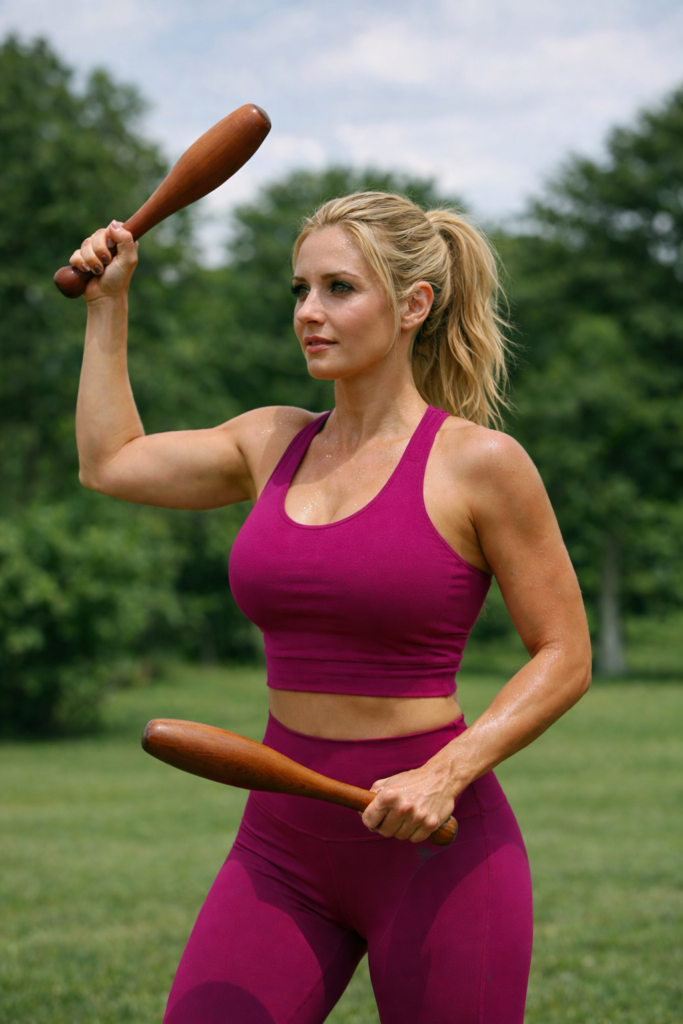
Indian clubs represent a training tool that, in my experience,works beautifully with your body’s natural movement patterns rather than against them. After years of working with clients who’ve struggled with conventional weights, I’ve seen how these simple yet effective tools encourage the fluid, circular motions your joints are designed for. There’s wisdom in their design – they develop genuine functional strength, improved balance, & enhanced mobility through movements that feel intuitive rather than forced. What I particularly appreciate about Indian clubs is how they strip away the complexity & hype of modern fitness equipment, focusing instead on fundamental movement principles that deliver lasting results. Whether you’re someone dealing with movement restrictions, looking to add variety to your training, or simply seeking a more engaging approach to fitness, these clubs offer a refreshing return to basics. They challenge your coordination & stability in ways that translate beautifully into everyday movement, making them suitable for beginners & experienced movers alike. The beauty lies in their simplicity – no complicated programming, just pure, effective movement that your body recognises & responds to naturally.
History & Origins
The history of Indian clubs stretches back hundreds of years, & their origins are deeply rooted in the physical culture traditions of India & Persia—something I find fascinating after two decades of working in movement & sports medicine. Originally crafted as training tools for warriors, these clubs were used to build strength, agility, & mobility (qualities that remain absolutely essential for anyone serious about their physical development today). Over time, their remarkable effectiveness caught the attention of athletes & trainers around the world, leading to their adoption in gyms & fitness studios far beyond their birthplace. Today, Indian clubs are rising rapidly in popularity as more people rediscover their profound benefits for mobility & overall fitness—& frankly, it’s about time. Their enduring legacy is a testament to their effectiveness & the important role they have played in shaping movement practices through the years, proving that sometimes the ancient wisdom holds the keys to our modern movement challenges.
What Are Indian Clubs Used For?
Indian clubs are used in both rehabilitation & performance settings because they train the entire body through controlled momentum & coordinated movement patterns.
Indian club training is commonly used to:
- improve shoulder health & range of motion
- develop functional strength & coordination
- warm up the shoulder girdle safely before training
- support injury prevention & joint longevity
- build grip strength & core strength simultaneously
- enhance mental clarity & nervous system control
- suit all fitness levels, including beginners and those recovering from injury
Because like kettlebell swing, club swinging requires rhythm, timing, & control, it trains both the muscular system & the nervous system…literally, the entire body, making it valuable for beginners, athletes, & rehabilitation clients.
The rhythmic and meditative nature of Indian club training calms the nervous system & reduces stress, making movement transitions easier for practitioners.
How Indian Club Training Works
Indian club exercises use offset weight distribution to create controlled momentum. This forces the body to stabilise through multiple planes of motion rather than simple linear movement.
At MSMC, Indian club training integrates biomechanics to ensure classes are grounded in movement science and anatomical precision.
This motion offers several benefits:
- stimulates joint lubrication for overall joint longevity
- strengthens stabilising muscles around the shoulder girdle
- improves coordination between the core & upper body
- develops strength without heavy weight stress on joints
- enhances neuromuscular timing & control
Because the load moves in arcs & loops, Indian club workouts encourage smooth joint motion & dynamic range, supporting long‑term joint care & sustainable practices in training.
Benefits of Indian Clubs for Strength & Mobility
Indian clubs are increasingly used in functional training because they build strength while preserving joint mobility.
Key benefits include:
- improved joint mobility & functional strength
- better shoulder stability & range of motion
- enhanced core strength through rotational control
- safer warm up method for overhead training
- development of coordination & rhythm
- improved posture & movement awareness
- light, portable, and easy to store, making them suitable for home gyms and outdoor training
- practicing Indian clubs can help improve coordination for those spending long hours at a desk
Indian clubs make it easier to integrate mobility and strength training into daily routines.
This blending ancient techniques with contemporary exercise science creates a training method that supports overall health, holistic wellness, & mental well being.
Long Term Joint Health with Indian Club Swinging
One of the biggest advantages of Indian club swinging is its ability to support long term joint care through controlled, rhythmic movement. Unlike heavy linear lifting, Indian club training loads the joints gradually through circular motion, which encourages lubrication, stability, & resilience rather than compression.
Because Indian clubs move through arcs & loops, they stimulate synovial fluid circulation within the joints, which helps nourish cartilage & maintain smooth movement over time. This makes Indian club training particularly useful for maintaining shoulder health, preserving range of motion, & preventing stiffness caused by sedentary lifestyles.
Regular club swinging can help:
- maintain long term shoulder health & joint mobility
- strengthen stabilising muscles around the shoulder girdle
- improve coordination of the nervous system with joint motion
- reduce risk of overuse injuries from repetitive straight-line training
- support sustainable practices for lifelong movement
When practised with proper technique, Indian club exercises create a training stimulus that promotes durability rather than wear, making them one of the most joint-friendly strength tools available.
Indian Clubs vs Traditional Weights
Many people compare Indian clubs with dumbbells, kettlebells, or resistance machines. While traditional weights build strength through linear resistance, Indian clubs develop strength through circular movement patterns.
For example, a kettlebell swing primarily loads the hips & posterior chain, while Indian club swinging trains the shoulder girdle, coordination, & grip through circular motion.
This makes club training especially useful for people who:
- experience shoulder stiffness or discomfort
- want safer joint-friendly strength training
- spend long hours sitting or working at a desk
- need improved coordination for sport or daily activity
Choosing the Right Equipment
Selecting the right Indian clubs is essential to ensure a safe & effective workout tailored to your individual needs (something I’ve learnt through years of observing what genuinely works). When starting out, it’s wise to choose lighter clubs that allow you to focus on mastering the exercises & building coordination—this isn’t about ego, it’s about building a foundation that serves you long-term. As you progress, you can gradually increase the weight to match your growing strength & skill (your body will tell you when it’s ready, trust the process). Pay attention to the quality & durability of the clubs, as well-made equipment will withstand regular use & provide consistent results—cheap tools often lead to frustration & potentially injury. The material & grip are also important factors, as they affect comfort & control during your workout (think of them as an extension of your hands). By choosing Indian clubs that suit your needs & preferences, you’ll set yourself up for a more effective & enjoyable training experience that empowers you to take real action towards better movement & strength.
Safety Tips and Precautions
Before you begin your Indian club workout, let me share some essential wisdom I’ve gathered over years of guiding people through movement practices—these simple yet crucial steps will help you honour your body & get the most from your training. Always begin with a thorough warm-up (your muscles & joints deserve this preparation, & they’ll reward you with better performance), then focus on maintaining proper technique & form throughout your session—this isn’t just about avoiding injury, it’s about respecting the intelligence of your body & maximising the effectiveness of each movement. Listen deeply to what your body is telling you; if you feel fatigued or strained, that’s wisdom speaking—take a rest & allow yourself the recovery time you need. Start with slow, controlled club exercises & gradually increase the intensity as your confidence & skill naturally develop. By following these practical, time-tested principles, you’ll create a safe, effective, & genuinely rewarding Indian club practice that serves your body well.
Common Mistakes to Avoid
When beginning your journey with Indian clubs, I’ve observed countless enthusiasts fall into familiar traps that can derail progress & potentially lead to injury—patterns I’ve witnessed over years of guiding people through movement practices. The most common misstep? Rushing in with excessive force or intensity before you’ve truly grasped the fundamentals. This approach not only diminishes the profound benefits these ancient tools offer but also increases your risk of strain & frustration. Another frequent error I see is bypassing proper technique & form—a shortcut that ultimately limits the transformative potential of your practice & makes your goals feel frustratingly out of reach. Perhaps most importantly, resist the urge to swing the clubs with haste or abandon control; the true magic happens through gentle, deliberate, & mindful movements that honour the wisdom of this practice whilst building genuine coordination & strength safely. Remember, Indian clubs reveal their secrets through consistent, thoughtful practice—not forceful enthusiasm. Quality will always triumph over quantity, & when you embrace gentle, controlled motion with patience & respect, your Indian club training becomes a pathway to genuine transformation rather than mere exercise.
How to Get Started with Indian Clubs
Beginners should always start with lighter clubs to learn proper technique & control. Starting with one club or a single Indian club can help build coordination before progressing to two clubs.
General beginner recommendations:
- Most beginners should start with very light Indian clubs, typically around 0.5 kg to 1 kg, to master movement quality.
- Choosing clubs that are too heavy can compromise technique and put unnecessary stress on joints, so beginners should start with manageable weights.
- start with lighter clubs (0.5–1 kg each)
- focus on smooth circular patterns rather than speed
- maintain a straight wrist & relaxed hammer grip
- learn foundational club exercises like pendulums & mills
- The Mill is a foundational circular movement where the club is cast across the body and then circled back to the starting position.
- The Inside Pendulum is performed by holding the club with a hammer grip, swinging it across the body, and transitioning to a saber grip.
- Foundational movements like the mill and pendulum are covered in beginner classes.
- prioritise control before progressing to heavier clubs
- Common mistakes include choosing clubs that are too heavy and skipping the warm-up before starting Indian club workouts.
The Hammer grip is when the handle is held like a fist with the pinky finger on the knob and a straight wrist. The Saber grip involves extending the arm and pointing the club away, dropping the wrist.
Proper coaching is essential for beginners to ensure safety and effective technique in Indian club training. Trainers provide cues and demonstrate (showing) techniques to guide students through proper movements and ensure a safe, effective learning experience.
Daily practice of 5–10 minutes can help to groove movement patterns into your nervous system.
Indian Clubs Training in Singapore
Indian club training is rising rapidly in Singapore as more people seek sustainable functional training methods that improve mobility, coordination, & joint health. Since 2019, the Movement & Sports Medicine Centre (MSMC) has been offering structured Indian clubs classes in Singapore & is recognised as the leading specialist provider in the field.
At a sports medicine centre or specialised fitness studio, Indian club workouts may be offered as part of:
- functional training sessions
- rehabilitation-focused programmes
- group Indian clubs classes
- private sessions with a personal trainer
Indian clubs classes in Singapore cater to a wide range of individuals, including beginners, athletes, and those recovering from injury. The practice of Indian club training continues to evolve, proving its timeless relevance in the fitness industry. In Singapore, students can book their spot in structured ‘Circular Strength’ classes at MSMC.
Working with certified trainers ensures a deep understanding of movement, safe progression, & long‑term joint protection.
Singapore’s Leading Specialist Provider for Indian Clubs
For coaches, therapists, & fitness professionals, Indian club training offers a powerful way to add value to personal training by improving joint mobility, movement control, & shoulder resilience. As recognised experts in the field of sports medicine & movement science, MSMC brings specialised knowledge & expertise as a beginner guide to Indian clubs instruction. When integrated with a sports medicine approach, Indian clubs help clients develop functional strength, coordination, & long-term joint care while reducing reliance on heavy linear loading.
At MSMC, Indian club certification training is delivered with an emphasis on movement, anatomical precision, & practical coaching application. Indian clubs training is recognised as one of the most important movement arts for any serious coach or personal trainer to master. MSMC integrates biomechanics into its Indian clubs training, ensuring optimal movement, strength, and coordination while minimizing injury risk. Certified trainers & serious coaches who want to deepen their skillset can learn how to integrate Indian club exercises into warm ups, rehabilitation progressions, & functional training sessions.
Those looking to build competence quickly are encouraged to join our structured learning pathway in Singapore, which includes:
- hands-on workshops covering technique, coaching cues, & safety
- a 4‑week progressive Indian clubs class series to build real skill
- weekly classes for continued practice & refinement
- guidance on how to programme Indian club training within personal training
Whether your goal is to improve your own movement, add a new tool to your coaching system, or learn to run Indian clubs classes confidently, MSMC provides a safe environment with qualified Indian club trainers to support your development.
Who Should Use Indian Clubs?
Indian clubs are suitable for diverse groups across all fitness levels. Indian clubs are especially popular among fitness enthusiasts who value holistic movement and community.
They are particularly useful for:
- beginners learning coordination & movement control
- athletes improving shoulder performance
- office workers with shoulder tightness
- individuals returning from injury
- anyone wanting functional strength without excessive load
Because club training develops strength, mobility, & coordination together, it supports overall health & movement longevity. Sharing the Indian club swinging experience with others is important for motivation and support, fostering a sense of community and collective growth.
Conclusion: Why Indian Clubs Are Gaining Popularity
Indian clubs remain one of the most important movement arts for developing coordinated strength, joint resilience, & functional mobility. Their ability to train the nervous system, improve range of motion, & develop strength through circular motion makes them uniquely valuable in modern fitness & rehabilitation settings.
As interest in functional training & sustainable strength continues to grow, Indian clubs are becoming a preferred tool for those seeking safe, effective, & engaging training methods.
Ready to Learn Indian Clubs Properly?
If you want to experience Indian club training in a structured, expert-led environment, consider joining Indian clubs classes or private sessions with qualified Indian club trainers like me!
Learning correct club swinging technique ensures safer progression, better results, & long-term shoulder health.
Contact us today to learn more about Indian club training options & upcoming sessions. Whatsapp +6587693235.
