
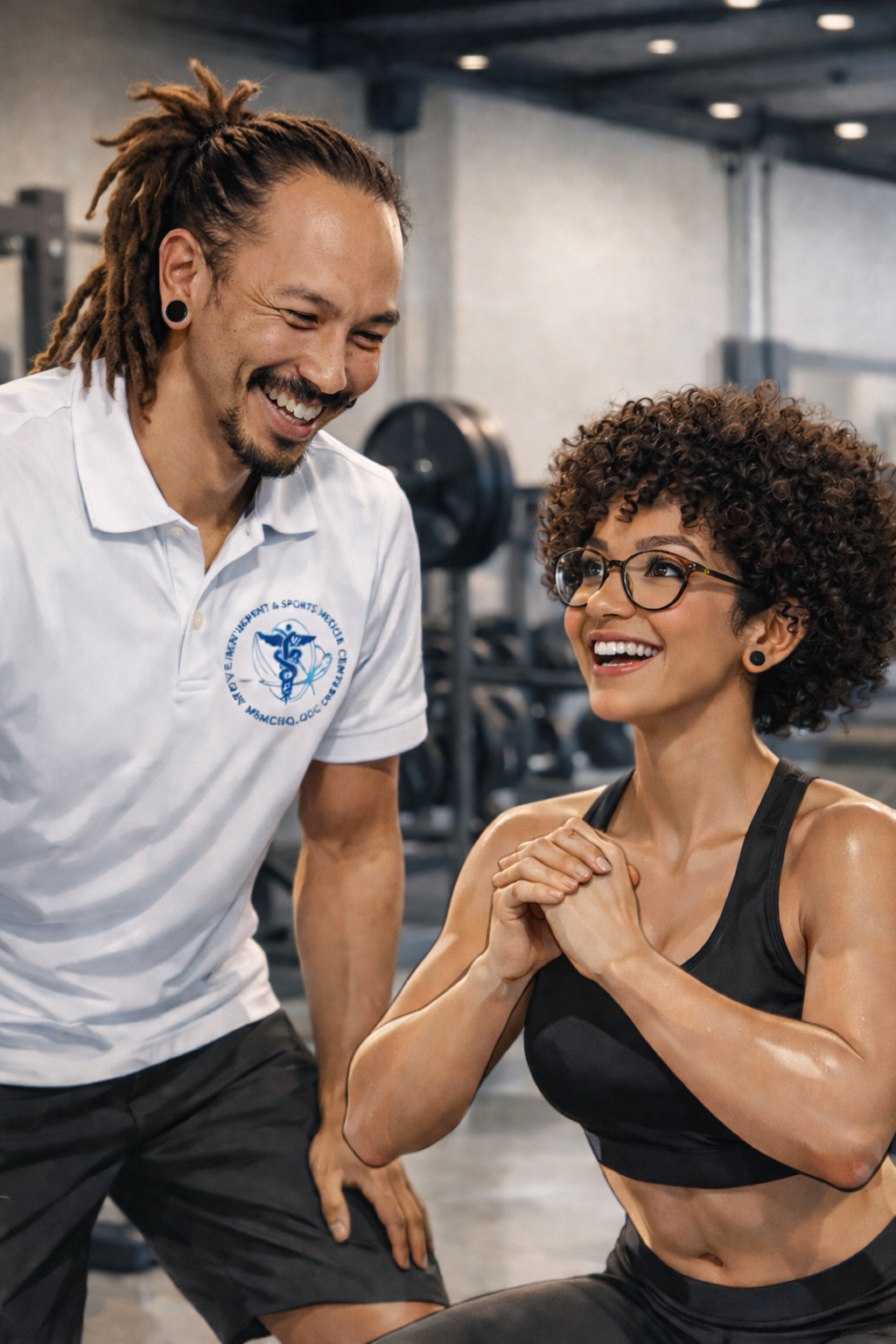

After more than two decades working in the fitness & health field, one thing becomes very clear: most people searching for a certified personal trainer are not actually looking for harder & gruelling exercises.
They are looking for answers.
They want to understand why their body hurts when they move, why their progress has stalled, or why every attempt at improving their health ends up feeling unsustainable. Many arrive at the gym after years of trying different programmes, apps, classes, or trainers, yet they still feel stuck.
Over the years I have worked with hundreds of clients across Singapore, ranging from beginners starting their fitness journey to individuals recovering from injuries, managing chronic conditions such as diabetes, or simply wanting to improve their long‑term health.
What I have learned is simple.
The body rarely fails because people lack effort.
More often, it fails because the approach is wrong.
This is where the perspective of a sports medicine personal trainer becomes valuable.
Instead of simply prescribing workouts, the goal becomes understanding the body first—how it moves, how it compensates, associates, & how training can improve overall health without creating new problems.
A Common Mistake in the Fitness Industry
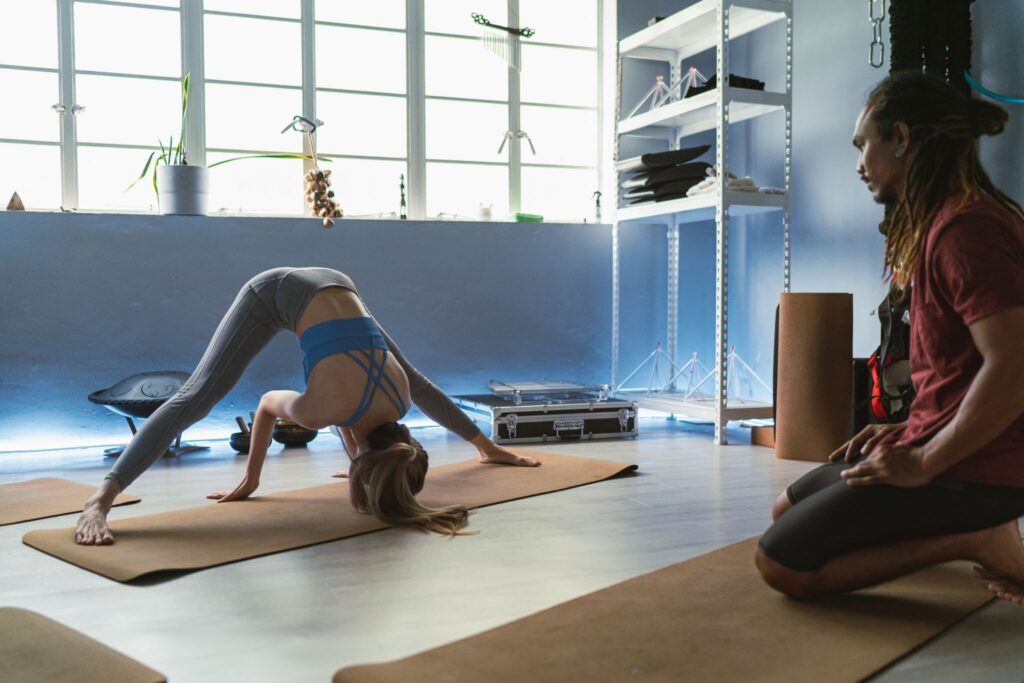
The modern fitness industry has grown rapidly over the past decade. Gyms appear everywhere, online fitness professionals promise quick results, & thousands of certified trainers enter the profession every year.
While this growth has made fitness more accessible, it has also created a common problem.
Many trainers emphasise on exercises before understanding the person.
Clients often walk into a gym & are immediately placed into a routine of squats, presses, circuits, or high‑intensity workouts. These programmes might look impressive on paper, but they often ignore individual needs.
A beginner with back pain may be given the same programme as a young athlete. Someone with knee injuries may still be asked to perform deep squats. A busy professional managing stress may be pushed into intense workouts when what their body actually needs is progressive training & better recovery.
This approach leads to several predictable outcomes:
• recurring pain
• stalled progress
• frustration with fitness
• injuries that delay training
Ironically, these problems are not caused by exercise itself.
They are caused by poor application of exercise.
A qualified/ certified personal trainer should not simply deliver workouts. They should analyse movement, understand health concerns, & adapt programmes based on individual needs.
This is where sports medicine principles become important.
Understanding the Sports Medicine Perspective
Sports medicine sits at the intersection of exercise science, rehabilitation, human performance, & preventive health. While traditional personal training often focuses on aesthetics or fat loss, sports medicine takes a broader view of the body.
It asks different questions:
• How does the body move during everyday life?
• Where are the weaknesses or imbalances?
• What injuries or limitations already exist?
• How can training improve long term health rather than just short term results?
A sports medicine approach does not replace fitness training—it enhances it.
Trainers working within this framework usually have deeper education in biomechanics, injury prevention, functional training, mobility development, & recovery strategies. Many certified personal trainer programmes recognised internationally—such as the National Academy of Sports Medicine, Sports Trainers Association the International Sports Sciences Association, or organisations connected to the American Council on Exercise—place increasing emphasis on correctives & movement quality.
These ideas come from research as well as decades of work with athletes, rehabilitation clinics, & special populations. The goal is simple: help people train safely while improving strength, mobility, body composition, & overall fitness.
Why Assessment Matters More Than Workouts
Before any effective personal training begins, a proper assessment should be conducted for the fitness goals. This step is often skipped in many gyms, yet it provides essential information about how a person’s body functions.
A comprehensive assessment may include:
• posture observation
• movement screening
• joint mobility checks
• previous injury history
• lifestyle analysis
• current health markers
For clients with chronic conditions such as diabetes or heart disease, this process becomes even more important. Training must be tailored carefully to ensure safety while still improving fitness.
The purpose is not to diagnose medical conditions but to understand movement patterns. When a certified personal trainer identify restrictions early, they can design something that strengthen weak areas, enhance mobility, & reduce pain during exercise.
This personalised approach often produces better long‑term results than generic workouts.
Practical Advice When Looking for Professional Guidance
For anyone beginning their fitness journey in Singapore, choosing the right certified personal trainer can make a significant difference.
Here are a few practical guidelines.
1. Look Beyond Certifications Alone
A certified personal trainer credential is important, but certification alone does not guarantee expertise. Trainers may hold credentials from organisations such as the National Academy of Sports Medicine, the National Exercise Trainers Association, or other global fitness associations.
What matters equally is experience.
Ask how long the trainer has worked with clients similar to you.
2. Assess Their Ability to Adapt
Good trainers adjust programmes based on the body in front of them. If an exercise causes pain, it should be modified rather than forced.
Effective trainers prioritise injury prevention, proper form, & tailored progression.
3. Ensure They Educate You
A strong sign of expertise is when trainers explain why exercises are being performed. This educational approach helps develop awareness of their own body & builds confidence in the training process.
4. Consider Their Environment
The best gyms provide a supportive environment & community where clients feel comfortable asking questions & progressing at their own pace.
Training should feel structured but not intimidating.
Holistic Training for Long Term Health, Not Just Short Term Results
One of the biggest misconceptions about personal training is that its primary purpose is aesthetic transformation. While fat loss, improved strength, & body composition changes are valuable outcomes, the deeper benefit of training is improved health. Regular exercise schedule can enhance bone density, support cardiovascular health, improve mobility, & reduce the risk of chronic conditions over time. In many cases, structured training also improves posture, reduces pain during daily life, & enhances overall fitness levels. When programmes are designed with sports medicine principles, they also help people maintain activity across decades rather than just months. This is particularly relevant in Singapore where many professionals spend long hours sitting at desks, commuting, or managing demanding lifestyles. A training routine that balances strength development, joint work, functional training, & recovery strategies can significantly improve quality of life.
The Role of Personal Training in Rehabilitation & Performance
Another advantage of sports medicine influenced training is its ability to bridge the gap between rehabilitation & progression. Many clients begin personal training after experiencing injuries. A tailored session can gradually restore movement quality while building improved strength around vulnerable joints.
Examples include:
• shoulder rehabilitation through controlled strength work
• knee stability development
• mobility training for the spine & hips
• progressive conditioning to return to sports
When fitness professionals understand biomechanics, they can help rebuild confidence in their body, for their fitness goals. At the same time, athletes or active individuals may use the same principles to enhance the ongoing support, improve power output, & maintain resilience during demanding physical activities.
A Brief Note on Training Options in Singapore
Singapore offers many training options across different gyms, studios, & coaching environments.
Some facilities focus on high‑intensity group workouts, while others specialise in rehabilitation or strength training.
Centres such as Movement & Sports Medicine Centre(MSMC) integrate personal training with sports medicine concepts, movement assessments, & fascia‑focused session designed to accommodate individual needs.
Other gyms may emphasise athletic conditioning, weight loss, or specialised performance training.
For clients, the most important factor is finding a certified trainer whose expertise aligns with their goals & health background.
Building a Sustainable Fitness Journey
The most effective training sessions are not extreme. They are consistent.
A sustainable fitness journey usually includes several elements working together:
• structured training sessions
• gradual strength development
• mobility & recovery work
• supportive coaching
• realistic lifestyle integration
• basic nutrition guidance
When these components align, people are more likely to achieve lasting results.
Fitness becomes part of daily life rather than a short‑term project.
Final Thoughts
Finding the right team / personal trainer is less about choosing the most intense workouts & more about choosing the right guidance for unique needs. A sports medicine approach to personal training focuses on understanding the body first, then building programmes in a form that support health, resilience, & long‑term progress.
For many individuals in Singapore, this perspective provides a safer & more effective pathway into fitness—especially for those dealing with pain, previous injuries, or complex health concerns.
The best certified trainers are not simply instructors.
They are educators, problem solvers, & partners in your health journey.
When training is approached with patience, expertise, & a clear understanding of human movement, the results often extend far beyond the gym—improving overall health, confidence, & quality of life for years to come.
