
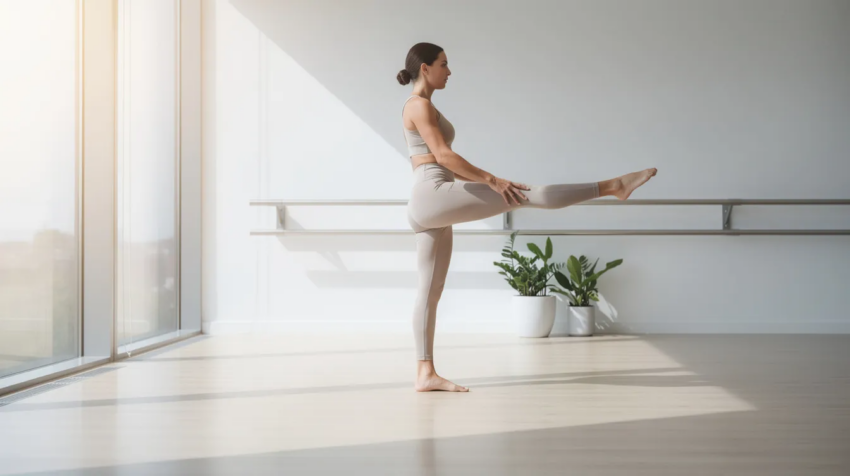
Why My Opinion on Barre Certification Might Matter
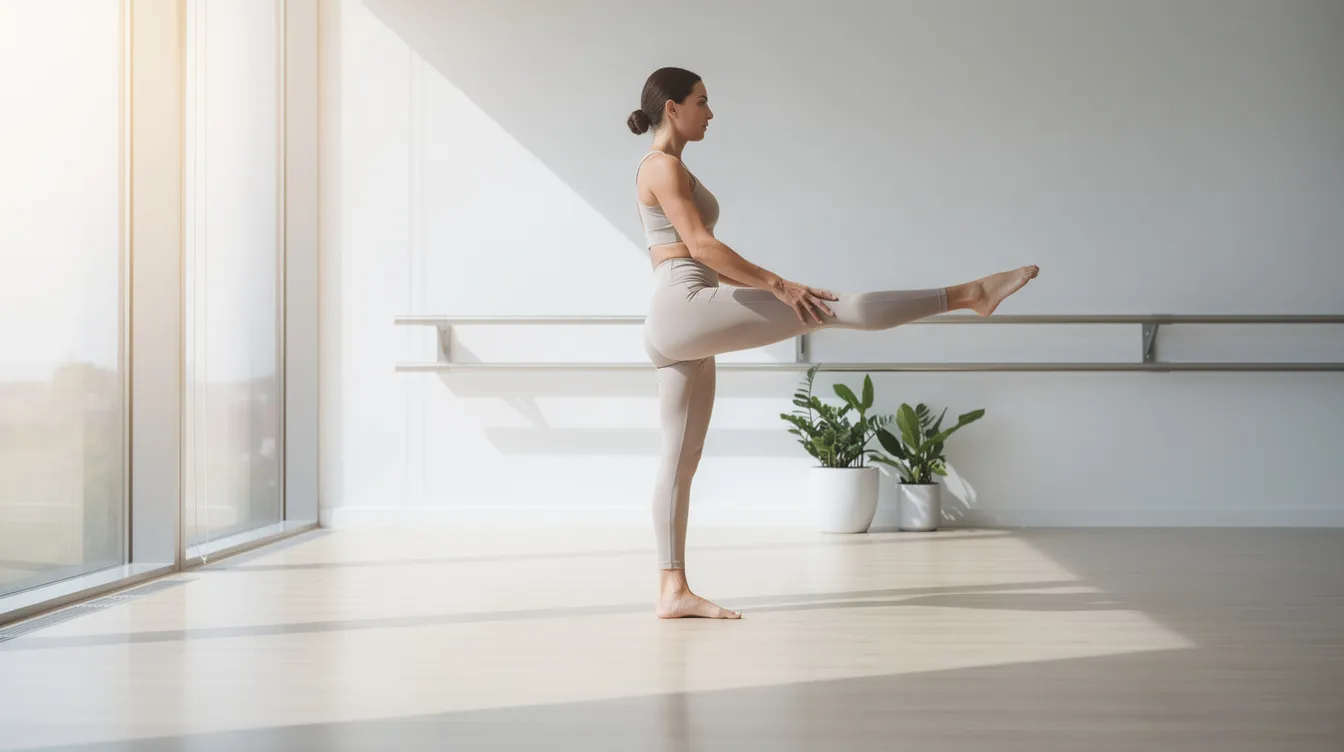
Look, I’m not a dancer. Never have been. I’ve spent the last 20+ years as a sports medicine trainer & studio owner at MSMC in Singapore, working with people who are injured, recovering, chasing performance goals, or simply trying to move without pain. My world is functional training, rehab, breathwork, corporate wellness & exercise science – not pirouettes!
So when I talk about barre certification, I’m coming at it from a completely different angle than most reviews you’ll find online. I’ve assessed, trialled & worked alongside instructors from multiple barre certifications. I’ve seen what happens when clients walk into my studio after doing barre classes elsewhere – sometimes stronger, sometimes with a flared-up knee or an aggravated disc. That tells you a lot about the certification behind the instructor.
After all of that, I now consider Barre Intensity(BI) the best barre certification for serious fitness professionals who want to teach barre safely & effectively. That’s my honest opinion – no sponsorship, no affiliate deal. Just years of watching what actually works with real bodies.
For those unfamiliar, barre fitness is a hybrid form blending ballet-inspired movements with pilates, yoga & functional strength training. It emphasises high repetitions, isometric holds, precise joint angles & balance work. Done well, it’s brilliant for injury prevention, posture correction, muscular endurance & performance. Done poorly, it’s a recipe for knee pain & lumbar strain. The certification behind the instructor makes all the difference. Barre certification programs typically range from $199 to $1,500, so the investment varies – but the quality varies even more.
What Is a Barre Certification & Why It’s Not “Just Another Group Fitness Course”
A barre certification is, in practical terms, the training that prepares someone to design, cue & progress full barre classes safely. That means understanding how to build a session from warm-up through standing barre work, centre work, floor sequences & cool-down – not just memorising a routine & pressing play on a playlist.
Here’s where it gets important: barre certifications are divided into method-specific & foundation/comprehensive credentials. Method programs teach specific brand choreography & format – think of it as learning one particular style. Foundation certifications focus on universal biomechanics, alignment & scope of practice, which means you learn principles you can apply across any barre class. Barre certification costs range from $199 to over $1,000 depending on the type, depth & provider. A certified barre instructor who completed a rigorous barre teacher training programme understands why a movement works, not just what it looks like. That distinction matters enormously in a sports medicine setting where clients arrive with conditions, not just fitness goals.
How I Evaluate Barre Instructor Training as a Sports Medicine Professional
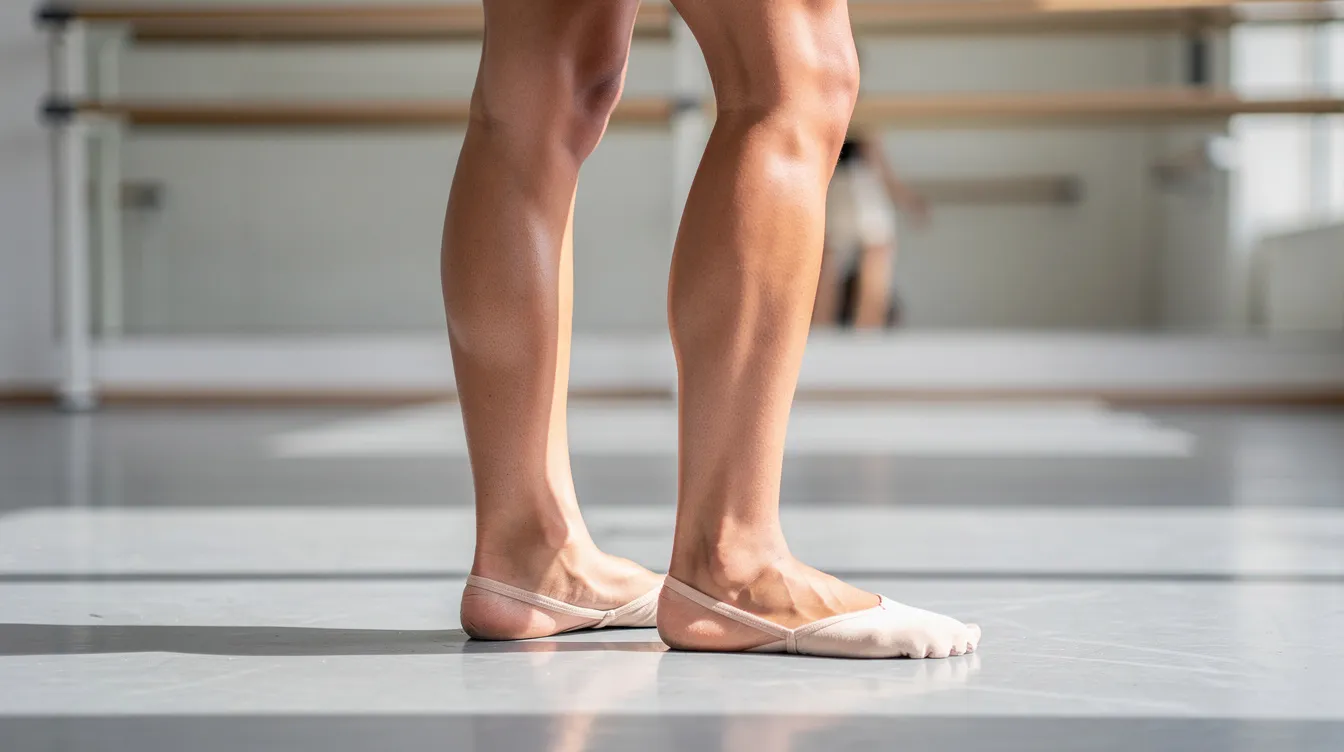
When I assess a barre instructor training programme, I’m not looking at how pretty the choreography is. I’m thinking about the client with a meniscus tear who wants to join a class, the desk worker with a frozen shoulder, the runner with chronic patellar pain. Can the instructor trained by this programme keep them safe?
My criteria come down to this: depth of anatomy & biomechanics education – especially hips, knees, lumbar spine & the shoulder girdle. Quality of barre technique explanations that go beyond “copy me” into “here’s why your knee shouldn’t collapse inward.” A genuine focus on regressions & progressions so mixed-level classes don’t become a liability. Clear cueing & coaching skills – verbal, visual & where appropriate, tactile. And critically, how the programme addresses clients with medical histories, hypermobility, pregnancy & postnatal needs. Training involves studying anatomy & biomechanics relevant to barre, & understanding anatomy is essential for injury prevention in barre training. Barre certification programs typically include 20 to 35 hours of anatomy training, with overall certification training typically ranging from 20 to 35 hours. Barre training should cover anatomy & modifications for effective barre instruction. Practical training also includes voice modulation & class sequencing skills – things that separate a barre teacher from someone who just demonstrates exercises.
I specifically look at whether the programme could safely support clients in Singapore who are simultaneously under physio or sports doctor care. If a certification can’t handle that overlap, it’s not suitable for a studio like mine.
My Experience With Different Barre Certifications (Including American Barre Technique)
I’ve reviewed, trialled or worked alongside barre instructors holding certificates from several well-known programmes. I want to be fair – every programme has its strengths.
American Barre Technique has strong classical roots & produces instructors with beautiful, dance-oriented barre technique. Their structure is clear, with multiple levels from Level 1 through to Coach. American Barre Technique offers a lifetime, non-expiring certificate, which appeals to many. If you’re comparing options, I’ve written more detailed breakdowns in our guides on barre certifications in Singapore & barre certifications in the USA.
But here’s where my concerns sit. In a sports medicine setting, I noticed limited guidance for clients dealing with pain, restricted range of motion or older populations. The emphasis on turnout & external rotation – hallmarks of classical ballet – can stress knees & hips when clients lack the requisite hip strength or mobility. I saw members arrive at MSMC with patellofemoral pain after attending high-intensity barre classes elsewhere where knee valgus wasn’t corrected & deep flexion in turnout was pushed prematurely. One client with a medial meniscus tear had a significant flare after being asked to hold a demi-plié in forced turnout. That’s not the instructor’s fault alone – it’s the training behind them. Independent exam-based certifications cost between $299 and $599, & independent certifications allow teaching anywhere, not just franchises. But cost & freedom mean little if the training doesn’t prepare you for real bodies.
These experiences pushed me to search for a more adaptable, science-aware option. That search led me to Barre Intensity.
Why BI Is, in My Opinion, the Best Barre Certification Right Now
After working with multiple methods, I currently rate BI as the best barre certification for serious instructors. I’m not paid to say this. It’s based on how well their barre training has worked with my members & rehab clients at MSMC over time.
Take a risk free 30 days run for their Barre Instructor training(Don’t like it? You get your money back-free course if you ask me!)
The reasons stack up. Their programme blends pilates, dance & functional strength in a way that genuinely fits sports medicine principles. The education on joint alignment, loading & muscular balance is thorough – not surface-level. Their treatment of modifications for injuries, pregnancy & older adults is built into the core curriculum, not bolted on as an optional extra. Barre training through their system enhances skills in proper alignment & safety across fitness modalities, which matters if your instructors also teach strength, breathwork or other class formats. Continuing education credits may be available for certified instructors through their CEU approvals with ACE, AFAA & NASM – giving global portability.
But what genuinely won me over was the teachers’ approach: supportive, humble, willing to adapt class choreography on the spot for real bodies rather than forcing intensity at all costs. BI offers both online & in person training options, which works brilliantly for busy Singapore-based instructors & corporate wellness teams who can’t always fly overseas for a workshop.
Click here to give them a 30 days free run for their Barre certification programme with a 30 days money back guarantee. If you ask me, any Barre teacher training that offers this kind of risk free training is worth trying
How BI Treats Members With Conditions (What Impressed Me Most)
This is where their Barre instructor training really stood out for me as a sports medicine trainer. Their training material & tutors consistently emphasised screening for pain & conditions, offering multiple options (standing instead of kneeling, neutral spine instead of flexion), & educating instructors to recognise red flags & know when to stop or refer to a physio or doctor.
Let me give you two real examples from my studio. A client with a lumbar disc bulge could still attend barre fitness because our certified barre instructor sequences allowed safe modifications – floor-based core work done with neutral spine, standing work with hip hinge rather than spinal flexion. No deep forward bending of the spine. She improved & stayed pain-free.
A second client, a mid-40s runner with patellar pain, improved hip abductor strength through BI certified barre instructor-style work over six weeks without a single flare-up. The BI certified barre instructor substituted standing work for kneeling, limited range of motion & used neutral alignment cues throughout.
Adaptive teaching is crucial for managing diverse fitness levels in barre classes – & BI certificate trains for exactly that. Here’s a stat that puts things in perspective: 47.7% of IBBFA-certified instructors had no prior fitness background, which tells you many people entering barre instruction are starting fresh. The quality of their training determines whether they can support a workout a room of mixed-ability people safely.
Teaching Skills & Class Design: Beyond Pretty Choreography
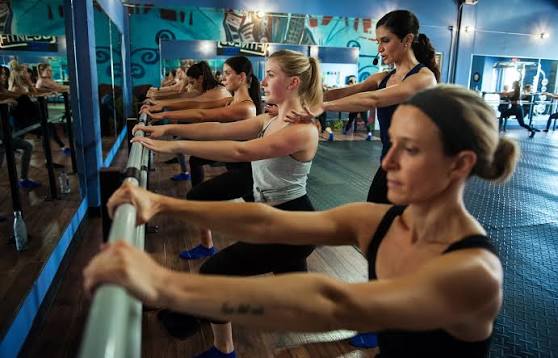
BI trains you to be a barre teacher, not just a performer. That means clear cueing – verbal, visual & tactile where appropriate. Layered progressions & regressions built into the same sequence so a beginner & a strong athlete can work side by side. Logical class design from warm-up through barre work, centre work, floor work & cool-down. This is crucial for group fitness instruction at MSMC where we often have desk workers, postnatal mums & recreational athletes in one session.
Their assessment process actually checks teaching skill. Barre certifications typically require passing a written exam & a practical test, & instructors must demonstrate hands-on corrections during practical evaluations. This makes newly certified instructors more employable & safer to insure – not just holders of a certificate of completion.
Online vs In Person Barre Training: What Worked for Our Singapore Studio
Running a busy sports medicine studio in Singapore means packed calendars, corporate wellness commitments & limited travel time. For our instructors, the online barre component of Barre Intensity was ideal – allowing them to learn at their own pace, review videos, and fit study around their clinic schedules.
This flexibility also benefits staff who teach multiple class formats (barre, strength, breathwork), enabling cross-training without losing teaching hours. Barre Above certification is also offered virtually and accessible worldwide, making fully online options increasingly common. That said, in-person or live virtual sessions remain valuable for receiving direct feedback on alignment & cueing, and for practising real group class management rather than just teaching to a camera.
In-person workshops can cost $500 to $1,500 or more, so the hybrid approach BI offers—with its instructor manual, Online Barre video library & anatomy workshops available after the initial course—provides ongoing education well beyond initial completion.
Our instructors appreciated having lifetime access to support materials, allowing them to revisit challenging concepts months later. That kind of ongoing support has proven essential for maintaining quality teaching standards in our studio.
Is Barre Certification Worth It If You’re in a Rehab-Focused Fitness?
Yes – but only if the barre certification respects anatomy, load management & long-term joint health. There’s no point enrolling in a programme that produces pretty movement but ignores the human body’s vulnerabilities.
At MSMC, our certified barre instructors have helped bridge the gap between physio & full return to sport, supported posture & core work for desk-bound corporate clients, & offered low-impact conditioning for people who cannot yet return to running or HIIT. Research supports this approach: systematic reviews on balance training in knee osteoarthritis show that programmes with 2–5 sessions per week over 2–12 weeks significantly improved function & reduced pain.
Barre’s emphasis on balance, closed kinetic-chain standing work & controlled loading aligns directly with these findings. Certified instructors can teach at specialised fitness studios or local gyms, & barre instructors can earn $19 to $50+ per class depending on setting & location.
Not every barre programme is suitable for medical or post-injury environments – the method & the barre teacher matter enormously. Their barre instructor training approach aligns with evidence-based exercise science & complements sports injury rehabilitation in ways I haven’t seen matched elsewhere.
Where a Certified Barre Teacher Can Work (Beyond Dance Studios)
A barre certified instructor today has far more career flexibility than boutique barre studios alone. Here’s where I see demand:
- Sports medicine & physio clinics (like MSMC) using barre as a controlled strength & mobility tool
- Corporate wellness programmes in Singapore offices where low-impact classes are preferred
- General fitness studios, pilates & yoga studios integrating barre segments
- Online coaching & hybrid programmes for busy professionals working a full time job who want accessible classes
- Boutique studios focused on functional movement & mindful exercise
Over 7,000+ instructors have been certified since 2008 across the industry, & as a certified barre instructor, you can teach barre classes in over 40 countries with the right certification. Some barre certifications are recognised by industry bodies allowing global teaching, & foundation courses are accepted across different studios & countries. Franchise training costs are often covered by hiring studios if you go that route. A rigorous barre certification that teaches safe barre fitness – like BI – opens these doors more easily because studios & employers trust the training behind you. For those exploring what’s available globally, we’ve also compared barre certifications in the UK.
How to Choose the Right Barre Certification for You
While I strongly favour BI, instructors should still choose based on their own context & goals. Here’s what I’d ask before enrolling in any programme:
- Does the course deeply cover anatomy, biomechanics & safe barre technique – or is it mostly class choreography & music selection?
- Is there a meaningful assessment (written exam, video test-out, live evaluation) – or just a participation certificate upon completion?
- Are regressions, progressions & medical conditions properly addressed for real-world teaching?
- Is the certification portable & recognised by major fitness bodies or employers?
- Does the teaching style fit your personality – more classical, more athletic, more clinical?
- Can you prepare at your own pace, or is it rigid in scheduling?
Most students complete barre certification in about 90 days. IBBFA’s CBI certification starts at $599 with 12-month access, & most students complete the IBBFA certification in about 90 days. There’s also an exam-only path for experienced instructors costing $299. IBBFA requires a 60-question written exam with a 70% pass rate, & IBBFA’s certification includes a 60-question written exam & a live practical evaluation. These are solid standards. But if you plan to work with injured populations, corporate wellness groups, or anyone beyond healthy young adults, I’d prioritise safety-focused programmes like Barre Intensity that build modifications & clinical awareness into the DNA of the training. If you’re still weighing up your options, have a read through our guide on what you need to know before choosing a barre certification.
Final Verdict: Why I Recommend BI for Serious Barre Instructors
After 20+ years in sports medicine & seeing many programmes come & go, BI is my top choice for certified barre certification. The reasons are straightforward: alignment with sports medicine principles & safe load management. Strong education on barre technique, cueing & class design that goes beyond surface-level dance knowledge. A respectful, member-first approach by the teachers – including genuinely caring for students & clients with conditions. And real versatility across rehab, performance & corporate wellness settings.
There’s just some things you don’t settle for less – & for me, how we train our barre instructors is one of them. You don’t need a dance background to become a high-quality certified barre instructor. You need the right training, the right knowledge of the human body, & the willingness to put your clients’ health & safety first. That’s what BI delivers, & that’s why it has my confidence.
