
Looking to add a practical, in-demand skill to your clinical or fitness toolkit? This kinesiology taping course is the only internationally recognised certification of its kind currently offered in Malaysia – and it is designed to get you applying tape with confidence in just two days.
Quick Overview: Why This Kinesiology Taping Course Matters for Malaysians
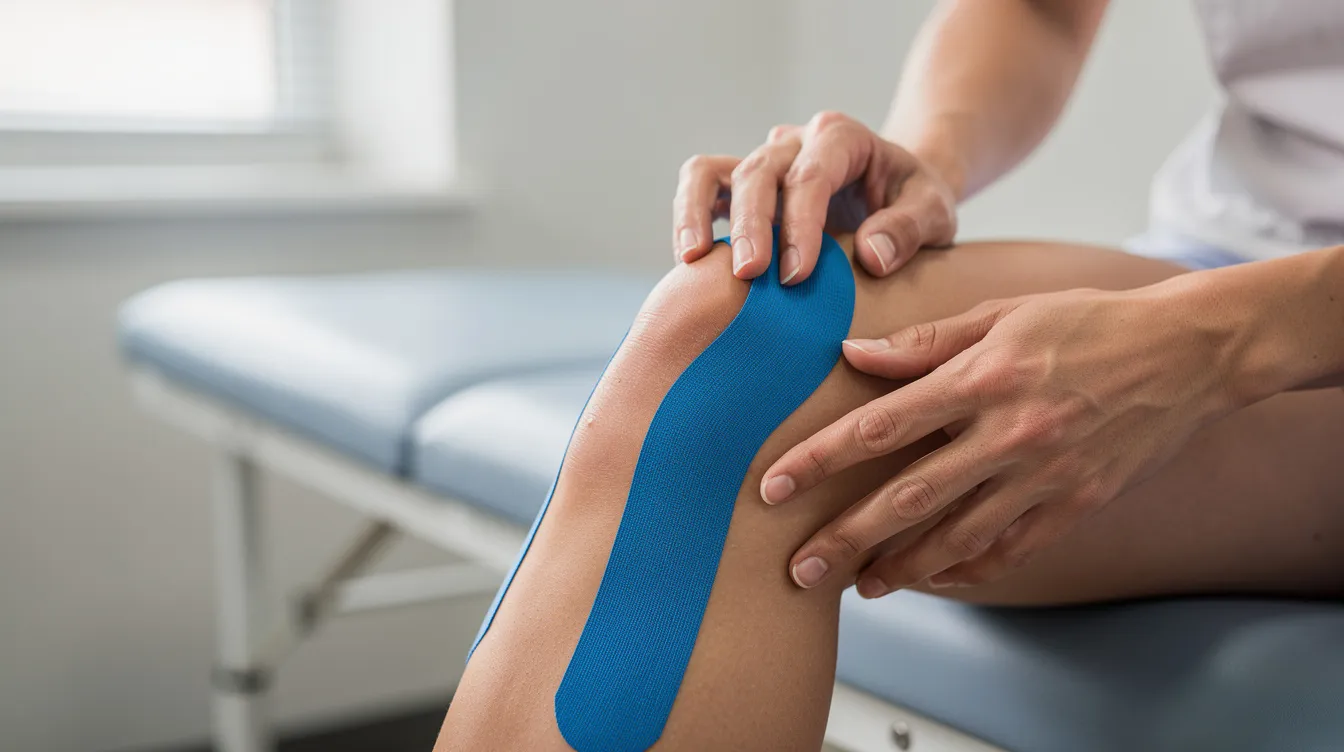
Kinesiology taping is a therapeutic technique designed to facilitate the body’s natural healing process. Using elastic adhesive strips applied to the skin with controlled tension, practitioners can provide support, reduce pain, and assist recovery without restricting range of motion. It is accepted by medical practitioners worldwide and commonly used for shoulder, neck, back, knee, ankle, and elbow pain – conditions you likely see every single day in your practice.
Demand for certified kinesiology taping practitioners in Malaysia is growing. Private clinics, sports academies, and fitness centres are actively seeking professionals who can offer this service with proper training and an internationally trusted credential. This 2-day course is highly practical, focused on real Malaysian clinical application and sporting settings including hospitals, gyms, and clinics. It is the only internationally recognised kinesiology taping course currently offered in Malaysia, trusted and utilised by physiotherapists, personal trainers, rehab specialists, occupational therapists, and sports coaches worldwide.
Who This Kinesiology Taping Course Is For in Malaysia
This kinesiology taping course is open to a wide range of professionals. No prior taping experience is needed, but a basic understanding of anatomy is helpful. The following professionals will find this training directly valuable:
- Physiotherapists and rehabilitation specialists
- Personal trainers and strength coaches
- Occupational therapists
- Chiropractors and sports doctors
- Sports trainers, coaches, and academy staff
- Pilates and yoga instructors
- Final-year therapy students looking to add a qualification before graduation
Therapists use kinesiology taping for sports injuries and post-injury rehabilitation, while fitness professionals apply it for performance and injury prevention. Whether you work with office workers dealing with neck and lower back pain, factory workers with repetitive strain at the wrist or forearm, weekend runners, school athletes, or competitive footballers, this course gives you the knowledge to serve these populations confidently. Kinesiology taping is used for treating sports injuries and chronic pain – attending this course helps both clinical and fitness professionals stand out with an internationally recognised skill set.
International Recognition and Why Our Course Is Unique in Malaysia
We are the only provider in Malaysia offering this specific internationally recognised kinesiology taping certification. The curriculum aligns with global taping standards used in leading sports medicine and rehabilitation centres. The Kinesiology Taping Association International offers official foundations and advanced courses, and our programme follows the same rigorous approach to theory and practical application.
Malaysian graduates can confidently use this internationally recognised certificate for jobs locally and abroad – in Singapore, Australia, the Middle East, and the UK. The certification is trusted by sports teams, performance centres, and clinical networks across the industry. Some courses offer a certificate of completion upon finishing; ours goes further by ensuring each person graduates with a credential that carries weight on their CV and in their professional practice. This is not just a piece of paper – it is a step toward greater career mobility.
Course Structure: 2 Day Intensive, Hands-On Taping Course
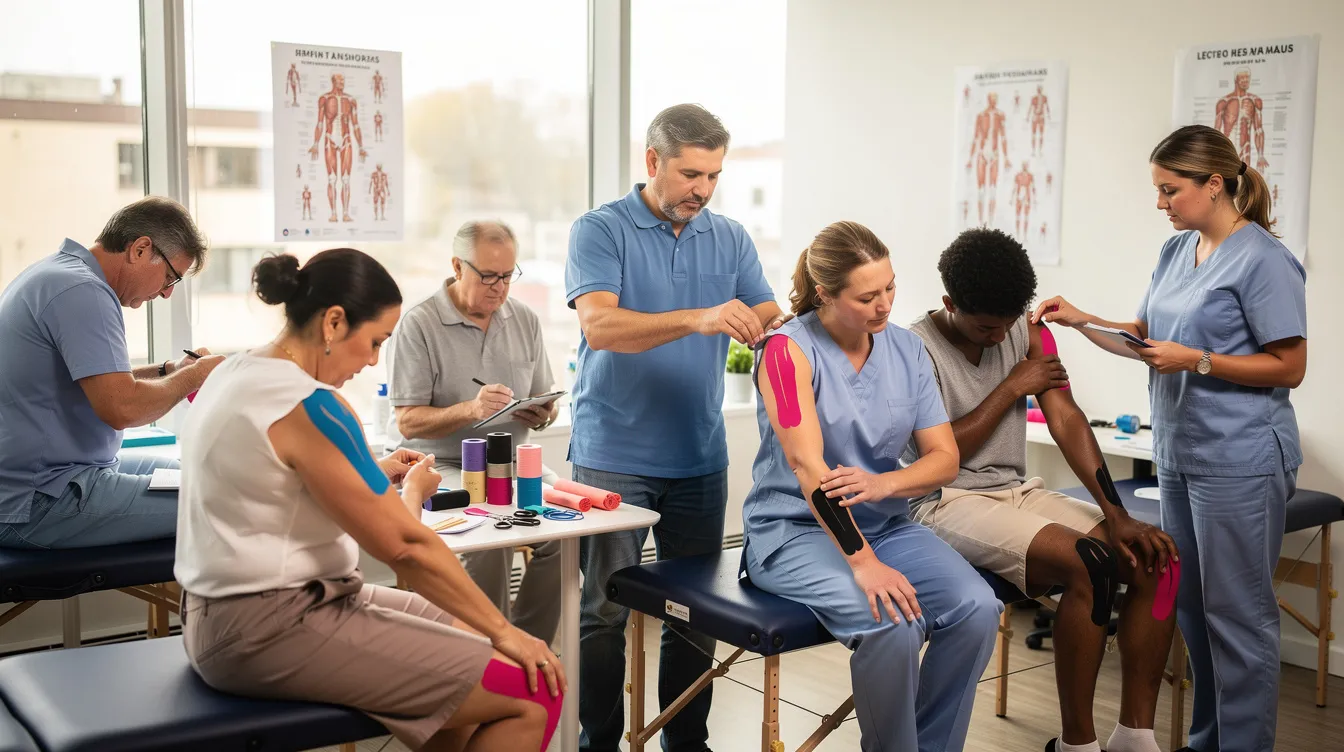
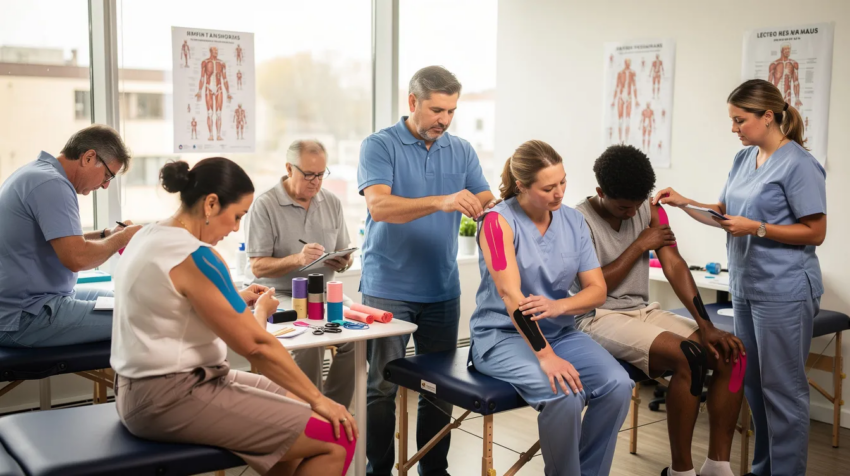
The course runs over two full days, blending focused lecture sessions with extensive hands-on taping practice. While a kinesiology taping course typically lasts one day in many countries, our 2-day format allows for deeper learning, more practice time, and greater instructor feedback.
A good kinesiology taping course should cover functional anatomy and biomechanics, and ours does exactly that – alongside live demonstrations, peer practice, and structured case studies. Practical application and clinical reasoning are important in kinesiology taping education, so both days prioritise time on your feet with tape in hand.
Key details about the format:
- Small group sizes to allow individual feedback on technique and tension control
- All kinesiology tape, scissors, and practical materials are provided
- Participants practice on each other across multiple body regions
- Instructors are experienced practitioners who work in real clinical and sporting environments
Core Concepts: What You Will Learn About Kinesiology Taping
This section of the course covers the theory behind every strip of tape you apply. Understanding the “why” is what separates a competent practitioner from someone following a recipe.
Here is an overview of the key areas covered:
- Tape properties and skin interaction: Kinesiology tape mimics the elasticity of human skin. It supports joints without affecting circulation, making it suitable for extended wear during training, work, and daily movement.
- Pain modulation: Kinesiology taping works by lifting the skin microscopically to improve blood circulation. This reduces pressure on pain receptors through its application, which is why patients often report immediate relief. Kinesiology taping reduces pain and improves function across a wide range of conditions.
- Stability and support: Kinesiology taping provides stability to weak or injured muscles and joints. It enhances performance by supporting muscles and joints during activity and recovery.
- Proprioception: Kinesiology taping may improve proprioception during rehabilitation, giving patients better awareness of their movement and joint position – critical during return-to-sport phases.
- Circulation and posture: Kinesiology taping can improve circulation and posture through directional tape application along specific muscle groups.
- Swelling and lymphatic management: Specific lymphatic taping techniques may assist in reducing swelling. Kinesiology taping promotes lymphatic drainage and decreases inflammation, and is applied for fascial correction and edema management in acute and post-surgical cases. Kinesiology tape controls swelling and aids in recovery. Kinesiology taping techniques can control swelling and improve performance at the same time.
- Safety: The tape is hypoallergenic and helps alleviate pain without medication. Proper application of kinesiology tape is essential for effectiveness – incorrect tension, direction, or anchoring can reduce benefits or cause skin irritation.
- Kinesio taping vs rigid taping: You will learn when elastic kinesiology taping is the right option versus when rigid sports tape is more appropriate.
Integrating Kinesiology Taping Into Malaysian Clinical and Sports Practice
Application of kinesiology taping techniques is only useful if you can apply them in real-world settings. This part of the course bridges the gap between the training room and your workplace.
Here is how practitioners in Malaysia are integrating taping into their services:
- Private physiotherapy clinics: Using tape for pain management in medial knee pain, tennis elbow, and carpal tunnel syndrome alongside manual therapy and exercise programmes. Kinesiology taping is often combined with exercise therapy and manual therapy for best results.
- Government hospitals: Rehabilitation for post-surgical patients with swelling control and early motion. Kinesiology taping supports edema control in injuries.
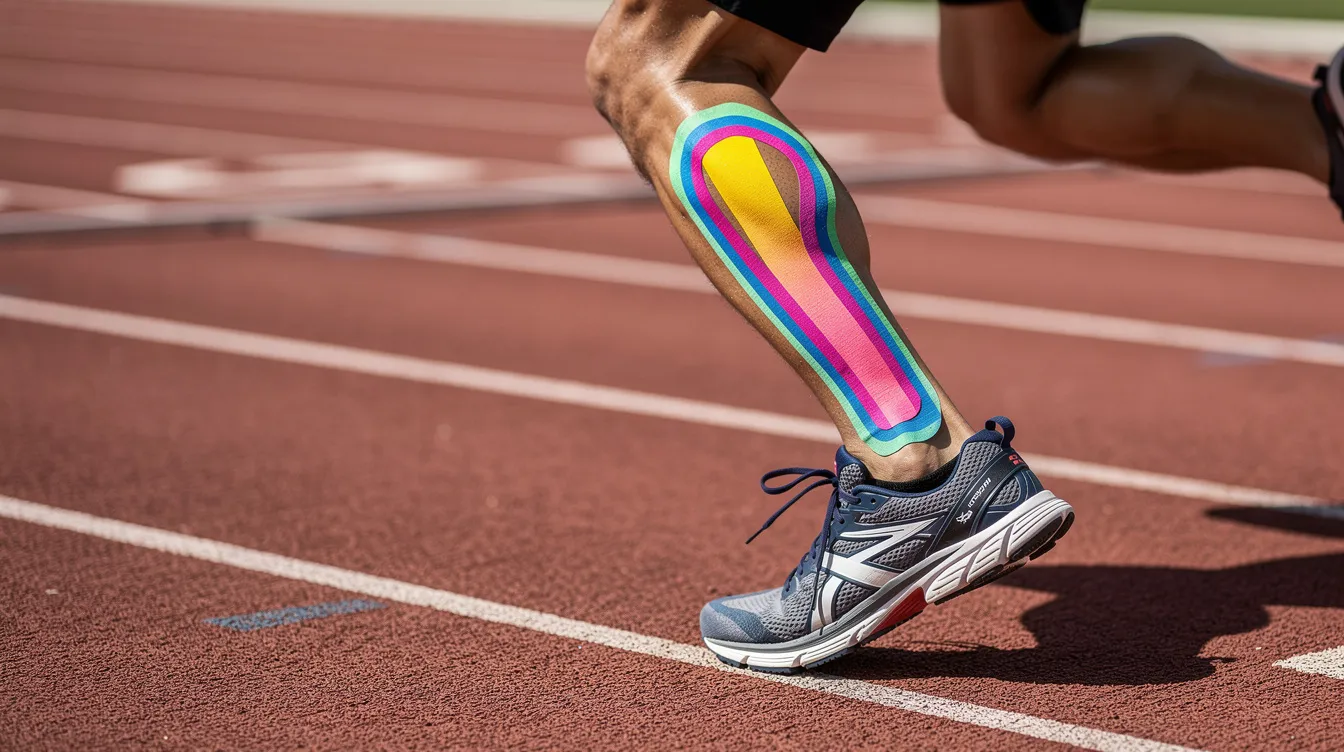
- Sports academies and gyms: Application of tape for athletes in badminton, football, futsal, and running. Kinesiology taping is used in sports like football and rugby, and it is used in various sports for injury prevention.
- Phases of rehab: Use taping in early rehabilitation for pain relief, in mid-phase for movement retraining and confidence, and in return-to-sport for support during sporting activities.
- Patient education: Learn to explain what tape can and cannot do, in simple English and Bahasa Melayu, so patients have realistic expectations.
- Condition management: Kinesiology taping can help manage conditions like plantar fasciitis, ankle sprain, shin splints, neck pain, and wrist instability.
Practitioners are encouraged to document outcomes and use before-and-after photos (respecting patient privacy) to track progress and build their public portfolio.
Assessment and Case Study Practice During the Course
The course includes engaging, structured case studies based on common Malaysian scenarios. Courses cover techniques for managing musculoskeletal conditions, and you will practise applying those techniques in realistic situations:
- Badminton player with shoulder impingement
- Runner with knee pain and shin splints
- Factory worker with wrist pain and carpal tunnel symptoms
- Office worker with upper back and neck stiffness
Participants assess each other, choose appropriate kinesiology taping techniques, justify their decisions, and receive live instructor feedback on taping direction, tension, and patient comfort. Successful completion of these practical assessments contributes to earning your certification.
Course Fees, Dates, and Locations in Malaysia
The course fees are straightforward. The standard rate is RM1,499 per person, which includes all materials, a manual, tape, and your certificate. A special group rate discount brings the fee down to RM900 per person – a valuable option for clinics and gyms looking to train multiple staff at once.
- Upcoming intake: 31 October – 1 November 2026, Kuala Lumpur
- Additional workshops are held in Johor Bahru – check our registration page for the latest dates
- Employers can arrange in-house training sessions for their team
- Student discounts may be available – contact us to enquire
Register early to secure your seat, as group sizes are kept small to maintain hands-on learning quality.
Certification: Becoming an Internationally Recognised Kinesiology Taping Practitioner
Upon completion, successful participants receive a named, dated certificate that is recognised internationally. This is not just a attendance slip – it carries real weight.
Knowledge components include:
- Practical skills check by the instructor during hands-on labs
- Instructor observation throughout the two days
- Demonstration of correct application, tension, and clinical reasoning
This certificate helps demonstrate competency to Malaysian employers, sports teams, and international recruiters. Graduates are encouraged to display their certificate in their clinic, add the credential to LinkedIn and professional profiles, and use it as a talking point when pitching taping services to new clients. The qualification signals that you have completed a rigorous, internationally aligned course and are ready to apply what you have learned.
How This Course Supports Your CPD and Career Growth
Kinesiology taping courses can provide up to 21 CPD points, depending on the professional body. This training helps you meet continuing professional development requirements while gaining a practical skill you can use immediately.
Here is how the course supports your career growth:
- Offer new services: sports taping packages, event coverage, post-marathon recovery support
- Increase client satisfaction and referrals when pain relief is faster and range of motion improves
- Combine taping skills with existing certifications in manual therapy, strength and conditioning, or Pilates for a more complete service
- Build a reputation as a practitioner who uses evidence-informed, globally recognised techniques for treatment and management of musculoskeletal conditions
A 2021 meta-analysis found that kinesiology taping significantly reduced delayed onset muscle soreness at 48 and 72 hours post-exercise – the kind of evidence that adds credibility when you explain tape benefits to your patients and athletes.
Comparing Kinesiology Taping With Other Taping Methods
Understanding the difference between kinesio taping and other methods is part of becoming a well-rounded practitioner:
Feature | Kinesiology Tape | Rigid Sports Tape |
|---|---|---|
Stretch | Up to 60%+ of resting length | Minimal to none |
Wear time | 3–5 days | Hours (game day) |
Movement | Full range of motion preserved | Restricts motion |
Best for | Pain control, swelling, rehab | Acute immobilisation, ligament protection |
The course focuses primarily on kinesiology taping but encourages critical thinking about taping choice based on sport, job demands, and recovery phase. For example, rigid tape may be the better option immediately after an acute ankle sprain on the field, while kinesiology tape is ideal for the rehabilitation and return-to-play phases that follow.
Frequently Asked Questions for Malaysian Participants
Do I need to be a licensed therapist to attend? No. The course is open to anyone keen to learn how to use kinesiology taping techniques as it covers introduction to advanced concepts for pain management and performance.
Is the course taught in English or bilingual? The course is taught in English.
Is there any exam or test? There is no formal exam or written test. Assessment is based on practical application and instructor observation throughout the two days. The course is a mix of theory & practicals for therapists.
Does the certificate expire? No. The kinesiology taping certificate is a lifetime achievement with no expiry date. You do not need to renew it.
Can I start using kinesiology tape in my clinic or gym immediately after the course? Yes. Upon completion, you can apply what you have learned straight away within your existing scope of practice. The learning you gain is immediately transferable to your work.
How do I register? Contact us through our registration page, provide your name and profession, and complete payment to confirm your seat. Seats are limited per intake.
Why Malaysian Professionals Choose Our Kinesiology Taping Course
- We are the only provider offering this internationally recognised kinesiology taping certification in Malaysia
- The course has a strong practical focus, local clinical relevance, and a global-standard curriculum
- Past Malaysian participants report improved confidence in treating medial knee pain, ankle sprain, plantar fasciitis, shin splints, carpal tunnel syndrome, tennis elbow, and shoulder conditions
- The 2-day format gives you more hands-on time than any comparable course in the region
- Your certificate never expires and is recognised across multiple countries
Take the step to upgrade your clinical toolkit and better serve your patients and athletes. Whether you work in a hospital, a private clinic, a gym, or a sports academy, this course gives you a skill that adds immediate value to your practice. Register for the next intake and stand out in Malaysia’s growing health and fitness industry.
