
Look, I’m not here to sell you a gadget or some miracle pillow. I’ve spent years working hands-on with people who snore loudly every single night & with those whose snoring has tipped into sleep apnea territory. From that experience, I keep coming back to the same three things that actually move the needle when you want to stop snoring naturally:
- Regular nasal breathing exercises (including mouth and throat exercises)
- Whole-body exercise & weight management
- Mouth taping at night to promote nasal breathing
Plenty of factors produce snoring-nasal congestion, alcohol, sleep position, excess weight-but these three interventions give the biggest returns for most people when done consistently. The focus here is on practical, at-home, science-informed home remedies you can start tonight.
Important disclaimer: This is not medical advice. It’s a personal opinion based on my professional experience. Snoring can sometimes indicate obstructive sleep apnea, a serious condition. Always check with an ENT or sleep specialist for a detailed, individual assessment before making changes.
Understanding Snoring: What Actually Makes the Noise
Snoring happens when air is forced through a narrowed upper airway-in the nose, mouth, or throat-causing soft tissues like the soft palate, uvula, & tongue base to vibrate. The narrower the passage, the louder the noise.
Common triggers include:
- Nasal congestion from allergies, colds, or a stuffy nose-nasal congestion leads to mouth breathing & worsens snoring
- Mouth breathing instead of nasal, which drops the tongue backward & collapses the airway
- Sleeping on your back, which increases the likelihood of snoring because gravity pulls the tongue & fatty tissue down
- Excess weight around the neck & tongue, narrowing nasal passages & the throat
- Alcohol & sedatives relaxing the throat muscles so they throat relax too much & limit airflow
There’s a difference between simple snoring & something more serious. Loud snoring combined with pauses in breathing may indicate obstructive sleep apnea & requires professional evaluation. Other red flags: gasping or choking at night, morning headaches, excessive daytime sleepiness, fatiguing easily through the day, & high blood pressure obesity connections.
The three methods in this article aim to widen & stabilise the airway naturally by changing breathing patterns, muscle tone, & sleep habits-not by relying on devices or stop snoring aids. I’d encourage you to involve your bed partner in observing your snoring patterns (volume, which sleep position triggers it, whether breathing actually stops), because that information can guide whether a specialist assessment is urgent.
Natural Solution #1: Nasal Breathing Exercises to Restore Healthy Airflow
Nasal breathing is the default setting for human breathing. Restoring it is often the single most powerful way to reduce snoring naturally-& I say that from years of seeing it work.
Here’s why it matters: the nose filters, warms, & humidifies air before it reaches the lungs. Nasal breathing helps maintain proper tongue posture against the palate, keeping the airway open. Mouth breathing does the opposite-it encourages poor tongue posture, dries the airway, & promotes collapse of the soft tissues that produce snoring. Over time, chronic mouth breathing weakens oral & airway muscles, making snoring & mild sleep disorders more likely.
The science backs this up. Nasal breathing reduces airway resistance during sleep, & studies show a 40–60% reduction in snoring intensity occurs with consistent nasal breathing practice. Throat exercises may help reduce snoring intensity in many people. Oropharyngeal exercises can improve muscle tone in the throat, & performing mouth exercises for just 10 minutes daily can meaningfully reduce snoring. Research into myofunctional therapy shows it can reduce sleep apnea severity by 36–62%. Even singing exercises may decrease snoring severity over three months by working those same facial muscles & airway muscles. Mouth exercises can reduce snoring by strengthening airway muscles-think of it as a gym session for your tongue and throat.
Nasal saline irrigation can improve nasal airflow & can reduce snoring by 60–80% in some studies, which is a massive number. Simple protocols practised daily for 4–8 weeks-tongue push drills, pronouncing vowel sounds repeatedly, cheek outward stretches, vowel sounds held for seconds at a time-can meaningfully reduce snoring loudness & frequency, especially if you’ve always been a mouth breather.
One thing though: if one nostril is persistently blocked, or you suspect a deviated septum or polyps, get an ENT specialist to examine you before pushing too hard with nasal drills. A physical examination can rule out structural issues that exercises alone won’t fix.
If you’re in Singapore & want to attend the only breathwork class specifically designed to improve breathing efficiency, I teach breathwork every Monday at 8 pm-check www.msmchq.com for details.
Natural Solution #2: Whole-Body Exercise & Weight Management
Regular exercise does two things for snoring. First, it helps you lose weight & reduce fat around the neck & tongue. Second, it improves breathing efficiency, lung capacity, & overall airway stability.
The evidence is strong. A 2026 meta-analysis of 18 randomised controlled trials with 2,242 participants found that non-surgical weight loss reduced sleep disordered breathing severity significantly-AHI dropped by an average of 11 events per hour, body weight fell by ~6.5 kg, & neck circumference decreased by nearly 1 cm. Weight loss can decrease snoring severity by over 20%. A 10% reduction in body weight can decrease sleep-disordered breathing severity meaningfully, & losing 10–15 pounds can reduce snoring by 50% or more.
In plain language: Get this, excess weight around the neck increases the likelihood of snoring because the fatty tissue narrows the airway, making vibration & collapse more likely when muscles relax in deep sleep. A modest reduction in body weight can improve airflow during sleep for many people-you don’t need to become an athlete.
Exercise is beneficial even for people who aren’t obviously overweight. It supports better sleep quality, stabilises breathing patterns, & can lessen nasal congestion & inflammation through improved circulation. It ties into the lifestyle changes we’ll cover shortly: when you avoid alcohol before bed, exercise regularly, get enough sleep, & choose the right sleep position, everything compounds.
How to Exercise Regularly to Reduce Snoring
This isn’t about training for a marathon. It’s about consistency.
A realistic baseline: aim for 150 minutes per week of moderate-intensity activity-brisk walking, cycling, swimming-spread over at least 3 days. That’s roughly 30 minutes, five times a week.
For resistance or strength work, two short sessions per week focusing on major muscle groups makes a genuine difference. Better muscle tone supports posture & may reduce the forward head position that contributes to airway narrowing at night. I teach strength training at Movement & Sports Medicine Centre, so I see firsthand how people who improve muscle tone in their neck, back, & core often report less neck pain & quieter sleep within weeks.
On weight loss specifically: aim for 0.5–1 kg per week through a combination of activity & modest calorie reduction. Crash diets undermine sleep quality & aren’t sustainable. Weight gain tends to creep up, & so does snoring-so steady, sustainable progress is the goal. Think of it as something you don’t settle for less on.
If you have medical conditions, severe obesity, or suspected moderate obstructive sleep apnea, discuss exercise plans with your GP or specialist before making big changes-especially if you experience chest pain, dizziness, or breathlessness with minimal exertion. A sleep study can help clarify what level of intervention you actually need.
Natural Solution #3: Mouth Taping to Promote Nasal Breathing at Night
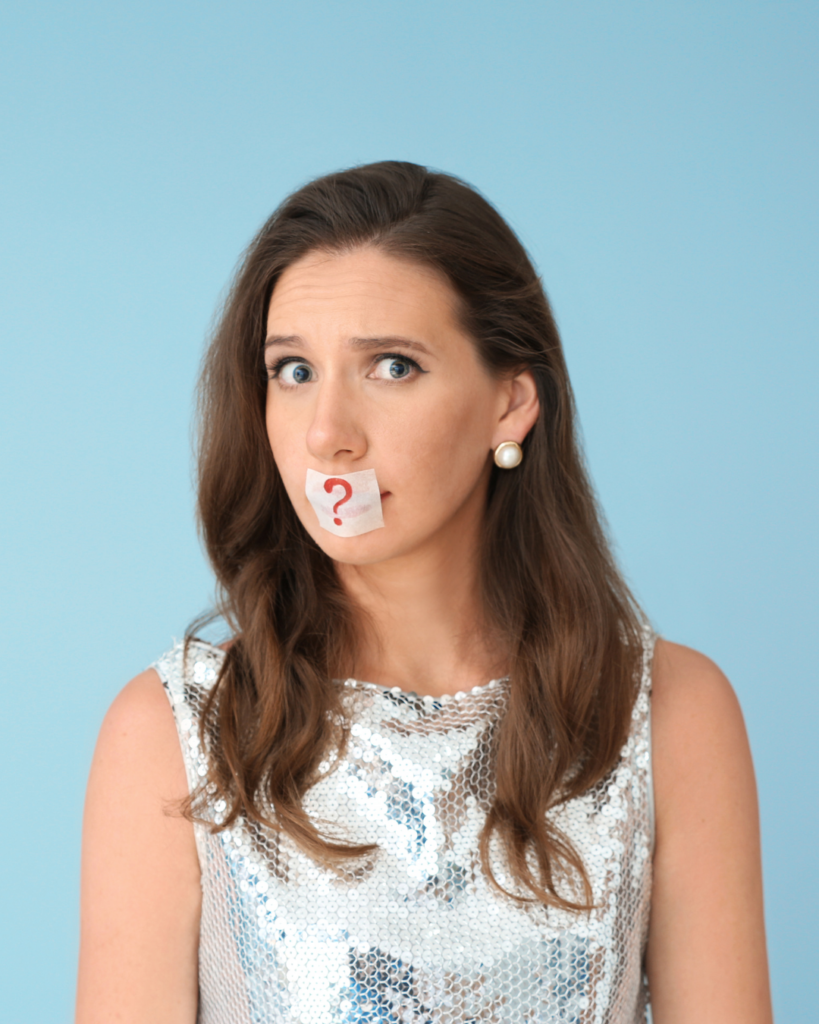
Mouth taping means using a specially designed gentle skin tape to keep your lips comfortably mouth closed at night, encouraging nasal breathing instead of mouth breathing. That’s it. Nothing dramatic.
This practice emerges from clinical breathing work, & it has helped many chronic snorers shift to nasal breathing during sleep. When you mouth-breathe at night, your airway dries out, your tongue falls backward, & snoring intensity increases. Nasal breathing supports correct tongue posture-keeping your entire tongue resting against the palate-& a more stable airway open position.
A pilot randomised trial published in JAMA Otolaryngology tested a combined airway & positional therapy protocol that included mouth taping alongside nasal dilators & saline rinses. After 4 weeks, sleeping partners reported significant improvements in snoring. There’s also a currently recruiting trial at Johns Hopkins specifically testing mouth tape for snoring & mild sleep apnea-so the research is catching up to what many of us have seen in practice.
Mouth taping is not appropriate for everyone. If you have severe nasal obstruction, chronic sinus infections, or known moderate-to-severe sleep apnea, speak with an ENT or sleep specialist before trying it. It works best when combined with the nasal breathing exercises already described-reinforcing the same habit day & night.
In Singapore, products such as Therapin’s mouth tape have been tried by numerous clients of mine, & many report feeling the difference after just a few nights of use.
How to Use Mouth Taping Safely & Comfortably
Safety & comfort come first. Treat this as an experiment, not a commitment.
Choosing the right tape: Use purpose-made mouth tape or gentle hypoallergenic paper tape. Avoid strong adhesive tapes-they irritate the skin & feel impossible to remove at 3 am. Nasal strips can complement mouth tape by helping open nasal passages further, though their standalone effect on snoring is modest. If you’re in Singapore, you can try Therapin’s nose & nasal products here.
Start while awake. Sit upright, place a small vertical strip over the centre of your lips for 10–15 minutes while breathing calmly through the nose. Remove immediately if you feel anxious, short of breath, or congested.
Progress gradually. Once comfortable while awake, try taping for the first 1–2 hours of sleep only. Build up to the full night over several days if it feels safe & natural.
Safety warnings:
- Do not use mouth tape if you cannot breathe freely through both nostrils
- If you wake gasping, panicked, or with chest discomfort, stop immediately
- If you’ve been told you may have significant sleep apnea, consult an ENT or sleep physician first
- Avoiding sedatives is important here too-sedatives can prevent throat muscles from relaxing naturally & block airflow during sleep, making taping potentially unsafe
Comfort tips: Apply lip balm earlier in the evening so the tape sits smoothly. Shave facial hair where the tape seals. Test different sizes-some people prefer a small central strip, others an X-shape. Staying hydrated helps prevent mucus in the nasal passages from becoming thick & sticky, lessen snoring & making nasal breathing easier through the night. Hydration helps keep nasal secretions thin & reduces snoring overall.
Supporting Lifestyle Changes: Simple Habits That Make All Three Methods Work Better
These reinforcing habits amplify everything above. They’re not optional extras-they’re the conditions that make nasal breathing exercises, regular exercise, & mouth taping actually work.
Alcohol & sedatives: Avoiding alcohol at least four to five hours before bedtime can lower the likelihood of snoring. If you drink alcohol & go to bed at 10 pm, your last drink should be by 5–6 pm. Avoid alcohol close to bedtime-it relaxes throat muscles & can worsen sleep apnea. Avoiding sedatives similarly prevents throat muscles from relaxing too much & blocking airflow during sleep.
Smoking: Smoking causes inflammation, irritation, & swelling in the soft tissues of the throat & nasal passages. If you smoke, reducing or quitting will improve your nasal passages & airway within weeks.
Sleep position & bed setup: Sleeping on your side can reduce snoring significantly-side sleeping can significantly reduce snoring frequency. Changing your sleep position can help reduce or stop snoring. Positional therapy helps 70% of snorers improve their condition. Use a body pillow to sleep on your side comfortably, or try an adjustable bed. Elevating your head can reduce snoring severity by over 30%, & elevating the head of your bed can keep airways open during sleep. Even a slight elevation makes a difference.
Bedroom environment: Reduce dust mites & pet dander by washing bedding in hot water weekly. Maintaining humidity levels between 40% to 50% can improve sleep quality by preventing airway irritation. Using a humidifier can prevent irritation in the throat & nose that contributes to snoring. Try saline rinses in the evening-using nasal sprays or a neti pot can help clear nasal passages & treat nasal congestion effectively, helping to open nasal passages before bed.
These changes create the conditions for restful sleep & make your core three methods far more effective.
When Natural Methods Are Not Enough: Getting Checked by an ENT or Sleep Specialist
I want to be clear: while these natural approaches are powerful & I’ve seen them work many times, they do not replace proper medical evaluation when snoring is severe.
Key red flags that warrant a specialist visit:
- Loud snoring most nights
- Observed breathing pauses (your bed partner notices you stop breathing)
- Gasping or choking during sleep
- Waking with severe dry mouth or morning headaches
- Extreme daytime fatigue or sleep deprivation symptoms
- Difficulty concentrating
- High blood pressure
An ENT specialist can assess structural risk factors like a deviated septum, enlarged tonsils, or chronically swollen turbinates that may be limiting nasal breathing. Some people need neck surgery or other interventions that exercises alone won’t solve.
Sleep studies-home sleep tests or in-lab polysomnography-can reveal obstructive sleep apnea, which may require CPAP, oral appliances, or other treatments alongside natural approaches. Sometimes ear plugs for your partner just aren’t enough & the underlying issue needs addressing.
Combining professional care with nasal breathing exercises, regular physical activity, & mouth taping (where appropriate) often gives better sleep quality & long-term outcomes than any single measure alone.
Bringing It All Together: A Simple 8-Week Plan to Start Tonight
Here’s your roadmap to eliminate snoring-or at least dramatically reduce it:
Weeks | Focus | Actions |
|---|---|---|
1–2 | Nasal breathing & movement | Daytime nasal breathing drills (10 min, twice daily), gentle walks (20–30 min), elevate your head at night |
3–4 | Build exercise habit | Add structured exercise (150 min/week target), begin oropharyngeal exercises, improve muscle tone through strength work |
5–6 | Introduce mouth taping | Start mouth taping while awake, then first hours of sleep; continue all breathing & exercise routines |
7–8 | Integrate lifestyle changes | Avoid alcohol 4–5 hours before bed, optimise bedroom humidity, side sleeping with body pillow, track progress |
Get your bed partner involved-have them note snoring volume, or use a snoring app. Track morning energy levels, nasal congestion changes, & better sleep quality over time. A good night’s sleep shouldn’t be something you just hope for.
This guidance is based on my personal professional experience working with snorers & people with sleep apnea. It remains my opinion, not as formal medical advice. Please check with an ENT or sleep specialist for a tailored assessment/ treatment.
Natural change takes consistency, but many people see noticeable improvement within 4–8 weeks when they commit to these three pillars & sensible lifestyle changes. There’s just some things you don’t settle for less, & restorative sleep is absolutely one of them.
I teach breathing exercises that can be followed by anyone-no experience needed-to experience how even one session can help you feel better, snore less, & get the best night’s sleep. Check www.msmchq.com for Monday evening classes.
