


If you landed here searching for an indian clubs class in Singapore, chances are you are tired of conventional gym routines. I see this all the time. People want to build strength, mobility, coordination, posture, & confidence — but without beating their joints up with traditional weights or mindless repetition.
Indian clubs training has been part of my own movement journey for years, both as a practitioner & as a coach. What keeps bringing me back to clubs is simple: they teach the body how to move well. Not just how to lift, but how to coordinate the entire body through space with control, rhythm, & awareness.
This article is written from my personal experience teaching these amazing tools at Movement & Sports Medicine Centre (MSMC). If you are curious about what an Indian clubs class really is, who it is for, & whether it is worth your time, I hope this gives you a clear, honest answer.
What an Indian Clubs Class Actually Is
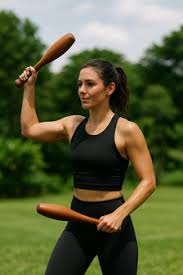
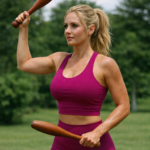
An Indian clubs session is not just another group workout. It is a coached movement practice using a pair of clubs — usually wood or steel — swung through arcs, circles, mills, & flowing patterns.
When people watch club swinging for the first time, it often looks graceful & almost effortless. In reality, it demands motor control, balance, timing, grip, posture, & constant feedback from the brain. They create momentum, which teaches you how to manage force rather than simply resist weight.
That is why I consider them both an art & a training method. They improve human movement as a whole rather than isolating muscles, which benefits the whole body.!
A Short History (That Still Matters Today)
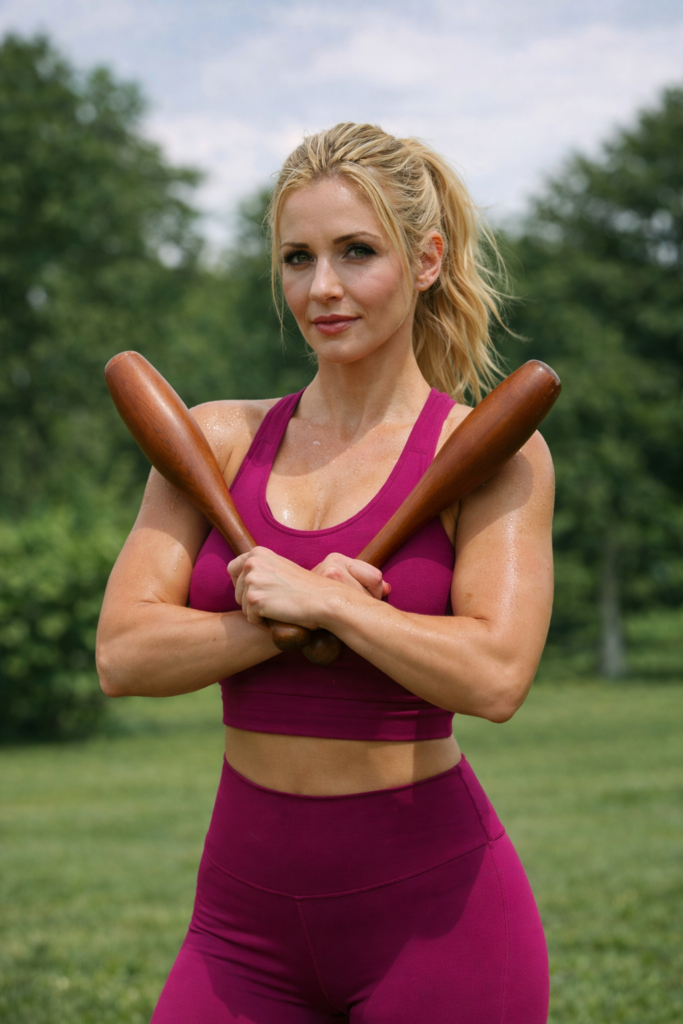
It originated in India & Persia, where they were used by warriors to develop strength, endurance, motion, & resilience. Over time, this practice spread across Europe & influenced early physical culture systems.
What interests me most about this history is not nostalgia — it is relevance. Long before machines existed, people understood how to train the body as a complete system. Club swinging reflects a deep understanding of that challenge, rhythm, balance, & posture that modern training often forgets.
Are Indian Clubs(ICs) Good for Entire Body Workouts?
In my experience, yes — for the majority of people, Indian clubs workouts are one of the most sustainable & effective forms of training available.
A well-coached ICs class helps to:
- Create better shoulder mobility & joint mobility
- Build functional strength without excessive joint stress
- Develop coordination, balance, & posture
- Train grip, arms, & upper body in harmony with the rest of the body
- Support nervous system regulation & mental clarity
- Reduce injury risk compared to many traditional weights
Because the movement is continuous, the body is constantly adapting. This makes clubs suitable for beginners, athletes, older adults, & anyone returning to training after a long break.
Why Indian Clubs Feel Different From Gym Training
Most conventional gym programmes focus on isolated exercises, fixed paths, & repetitive loading. That approach can build muscle, but it often ignores how the body actually moves in real life.
Indian clubs training is different:
- Movement comes before load
- Balance & control are challenged through motion
- Strength is developed across multiple directions
- Posture & spatial awareness improve naturally
- The brain is actively involved throughout the practice
This aligns closely with modern movement thinking popularised by coaches such as Gray Cook, where quality of movement is prioritised before intensity.
What Weight Should You Start With?
This is one of the most common questions I get.
If you are a beginner, lighter clubs are almost always the correct choice. Starting too heavy compromises control & increases risk.
My general guideline:
- Beginners start with light clubs (around 1–2kg per club)
- Focus on technique, grip, & coordination first
- Progress weight only when balance & control are consistent
At MSMC, I look at each participant’s ability, age, movement quality, & training background before progressing weight. Confidence & safety come first.
Indian Clubs, Persian Meels & Other Tools
There are different tools used in club-based training:
- Indian clubs (wood or steel): ideal for beginners through advanced practice
- Persian Meels: larger, heavier, & more strength-focused
- Steel clubs: excellent for control, grip, & advanced coordination work
If you are deciding between Indian clubs or Persian Meels, my advice is simple: start with Indian clubs. They allow you to learn technique, rhythm, & balance before exploring heavier tools.
Who I Recommend an Indian Clubs Class For
From teaching hundreds of sessions, I have found that Indian clubs work well for:
- Beginners attending their first time group class
- Office workers with tight shoulders & poor posture
- Older adults looking for joint-friendly training
- Athletes wanting better coordination & control
- Fitness enthusiasts bored with gyms & machines
- Clients who want to build confidence in movement
Age is rarely a limiting factor. The practice adapts to the individual, not the other way around.
How I Teach Indian Clubs at MSMC
At Movement & Sports Medicine Centre, I do not teach Indian clubs as random workouts. I teach them as a system.
Each class typically includes:
- Structured warm ups
- Progressive club swinging drills
- Clear focus on posture, grip, & coordination
- Coaching cues & hands-on corrections
- Thoughtful programme design
Classes are kept in manageable group sizes so participants receive proper attention. The goal is long-term progress, not rushing through movements.
Beyond weekly classes, MSMC also runs workshops, courses, & certification pathways for those who want to deepen their skills or eventually teach.
Indian Clubs, Nervous System Health & Long-Term Practice
What I value most about Indian clubs is how they support long-term health. Regular practice improves how the body moves, not just how it looks.
Clients often tell me they notice the benefits:
- Better shoulder health
- Improved alignment & balance
- Increased motor control & confidence
- Less discomfort during daily activities
- A renewed enjoyment of training
That is why Indian clubs fit naturally into wellness centres focused on sustainable fitness.
Where Can You Learn Indian Clubs in Singapore?
Student & enthusiasts looking to learn Indian clubs in Singapore, options are super limited (at the time of this article, there’s only one place you can learn it of course-MSMC), as structured Indian club training remains a specialised discipline.
At Movement & Sports Medicine Centre (MSMC), I have been teaching Indian clubs since 2019 using a sports medicine–informed approach that blends traditional practice with modern exercise science.
Whether you are completely new or already experienced, wherever you are in your journey MSMC offers one of the most complete pathways to learning Indian clubs properly in Singapore & be certified to teach effectively just like me!
My Advice If You Are Curious About Human Movement
If you feel stuck in conventional gym routines & want to experience training that improves strength, mobility, balance, & confidence together, an Indian clubs workout session is worth exploring.
If you would like to learn more about courses, or simply ask questions, you are welcome to reach out to contact Movement & Sports Medicine Centre on whatsapp chat at +65878693235.
Sometimes, the smartest training choice is not lifting heavier — it is moving better.
