





Singapore’s work culture is known for high expectations, tight deadlines & a fast‑paced environment. Long hours, constant digital connection & the pressure to perform can quietly shape the way we breathe, think & cope. For many professionals, stress becomes a daily background noise rather than an occasional event. Breathing for stress in Singapore’s work culture offers a simple, evidence‑informed way to support both physical and mental health without leaving the desk or needing special equipment.
At Movement & Sports Medicine Centre (MSMC), we see how modern workplace stress shows up in the body – shallow breathing, muscle tension, poor sleep & difficulty focusing. Learning to use the breathing process intentionally can help to manage stress, steady the nervous system & create small but meaningful shifts in overall well being.
What Is Singapore’s Work Culture Really Like?
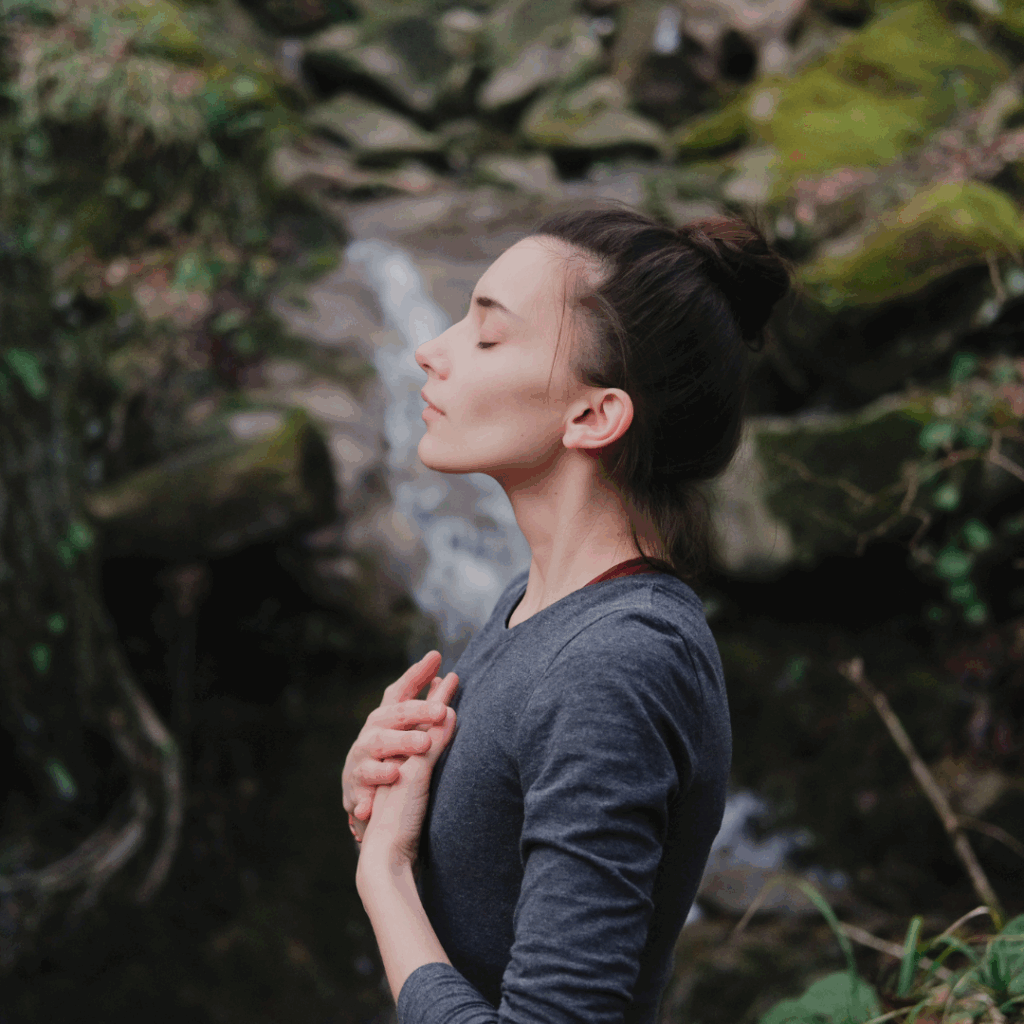
Singapore is a high performance city. The drive for excellence, efficiency & economic growth has created opportunities, yet it has also produced a high stress environment. Common features include:
- Long working hours & late emails
- Competitive performance metrics
- Dense commuting on MRT & buses
- Constant screen exposure
- Limited recovery time between tasks
This culture can affect both mental & physical health. Many people experience rising stress levels, mood swings, irritability & disrupted work life balance. Understanding this context is the first step toward meaningful stress management.
How Breathing Helps in Stress Management
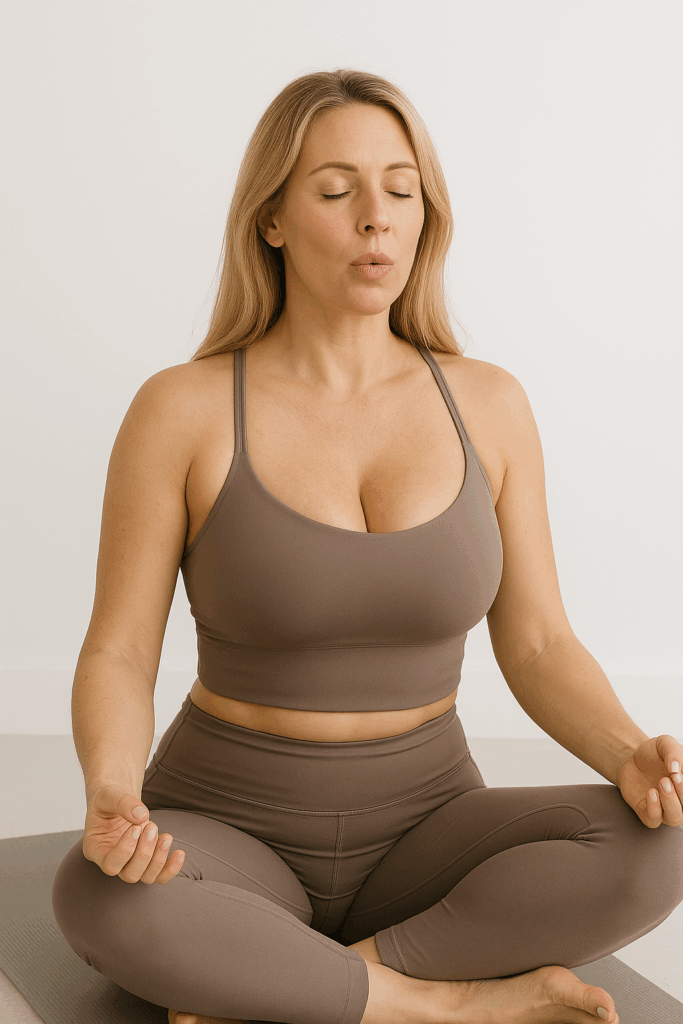
Breathing is the only body function that is both automatic & voluntary control . When stress hormones rise, the natural response is faster, shallower breaths. This can increase anxiety, reduce focus & amplify emotional distress.
Intentional deep breathing works in the opposite direction by:
- Lowering stress levels & heart rate
- Reducing tension
- Improve clearer thinking
- Improving mental well being
- Creating short, effective mindful breaks
Research shows that even a single deep breath can influence the nervous system. With regular practice, these changes become more stable, helping people cope with demanding days.
Common Signs of Workplace Stress
You may benefit from breathing support if you notice:
- Difficulty switching off after work
- Racing thoughts & negative self talk
- Tight shoulders or jaw
- Skipping meals or relying on caffeine
- Feeling overwhelmed by small tasks
These are signals from the body asking for regulation, not willpower.
Deep Breathing – What Happens to Your Body & Brain Within Minutes
When you control & take slow, intentional deep breathing, changes begin almost immediately. The rhythm of the exhale slowly signals the brain that the environment is safe, allowing the nervous system to shift away from constant alert. This is one of the fastest ways to reduce stress during a demanding workday.
Within 1–2 minutes
- Stress levels start to fall as stress hormones decrease
- The body relaxes & tension softens
- Focus becomes clearer for the next tasks
- The mind moves out of reactive mode
Within 3–5 minutes
- Heart rate steadies & blood pressure eases
- The diaphragm begins to lead the breathing process instead of the chest
- Feelings of anxiety or being overwhelmed lessen
- Emotional balance improves, supporting better mental health
Within 5–10 minutes
- The nervous system shifts toward recovery
- Mental well being improves & thinking feels less rushed
- The physical and mental load of the day feels lighter
These effects explain why even brief pauses for deep breathing exercises can change how we experience Singapore’s fast‑paced work environment. The practice does not remove deadlines, but it improves how the body & mind meet them.
Mindful Breathing – How It Works & Why It Matters
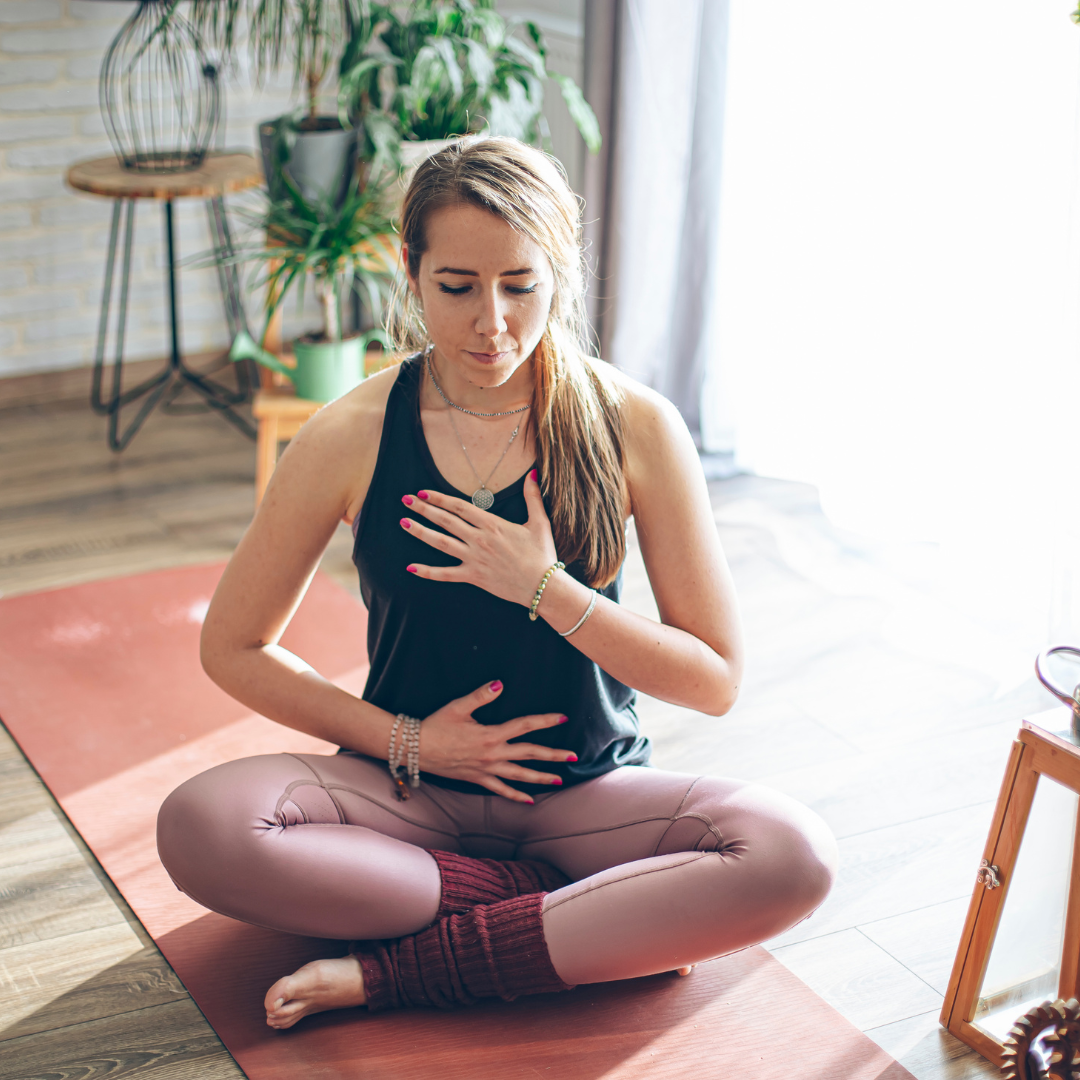
Breathing mindfully is not about forcing the breath to behave, but about noticing it with self awareness. In Singapore’s demanding workplace, many people breathe on autopilot while the mind races through emails, meetings & deadlines. Bringing gentle attention to the breathing helps to reconnect the body, thoughts & emotions in real time.
When we practise breathing mindfully, several things happen:
- The mind steps out of negative talk & returns to the present task
- We learn to regulate emotions before they spill into conversations
- Muscle tension around the neck & jaw begins to soften
- Mental health is improved through small daily resets
This approach strengthens emotional intelligence at work. Instead of reacting to a tense message or difficult colleague, a few conscious breaths create space to choose a better response. Over weeks, this builds emotional resilience & a calmer relationship with work stress.
Mindful breathing can be practised anywhere in Singapore – at the desk, in a lift, or during a crowded commute. Even 60 seconds can reduce stress & improve focus, helping you return to work with clearer thinking. It is less about perfection & more about gentle, repeatable awareness.
Practice Mindfulness – Better Results Within Minutes
To practise mindfulness through the breath is to train attention the way we train a muscle. In Singapore’s competitive workplace, attention is constantly pulled between chats, emails & tight deadlines. A few minutes of mindful breathing can reset this scattered state & improve performance almost immediately.
What happens within minutes
- The mind returns from distraction to the current tasks
- Decision making becomes less reactive
- Stress levels drop enough for clearer thinking
- Communication with co workers becomes calmer
These small shifts directly support workplace productivity. Instead of pushing harder with a tense body, mindful pauses allow you to work with better focus & steadier emotions. Many professionals notice a better mood & fewer mistakes after only 2–3 minutes.
Benefits of regular practice
- Stronger emotional resilience during busy periods
- Improved mental well being across the week
- Lower work stress & less chronic stress build‑up
- Healthier work life balance & overall well being
Over time, the brain learns to recover faster from meetings, presentations & difficult conversations. This creates a more harmonious work environment & supports both physical and mental health without adding extra time pressure.
Mindfulness does not require long rituals. Short, repeatable moments woven into a daily routine can help you manage stress, regulate emotions & meet high levels of expectations with greater ease.
Practical Breathing Exercises for Office Life
1) 4–7–8 Method
Many people ask, “How does the 4 7 8 breathing trick work?”
- Inhale through the nose for 4
- Hold for 7
- Exhale slowly for 8
- Repeat 4 cycles
This pattern lengthens the exhale to calm the nervous system & is useful before meetings or at bedtime.
2) Desk Reset – 60 Seconds
- Sit tall with feet grounded
- Take one slow deep breath into the belly
- Release the shoulders on the exhale
- Repeat 6 times
3) MRT Micro Practice
- Breathe through the nose only
- Count 4 in, 6 out
- Soften the face & jaw
These breathing exercises fit naturally into a Singapore daily routine without drawing attention.
Harmonious Work Environment – How Breathing Changes the Way You Experience Work
I know this may sound a little unusual at first, yet when you actually begin to regulate yourself through the breathing, something subtle starts to happen. You may find enjoyment in the smallest things – a conversation with co workers, a quiet moment with coffee, or simply completing ordinary tasks. The job itself may not change, but how you do it & how you feel while doing it begins to shift.
When the body is calmer & the mind less crowded with negative self talk, the same workload feels lighter. You listen better, speak with more patience & notice opportunities rather than only problems. This creates a ripple effect:
- Interactions at the workplace become more respectful
- Emotional reactions settle before they grow
- Stress levels drop across the team
- A more harmonious work environment develops naturally
Breathing does not magically remove deadlines or high expectations, yet it changes your relationship with them. Regular practice supports mental well being, steadier focus & a kinder inner dialogue. Over time, many people report that the very same job begins to feel like a better experience simply because their nervous system is no longer in constant defence.
This is how personal regulation becomes collective benefit – one calmer nervous system influences another, slowly shaping the culture around you.
Reduce Stress & Improve Work Productivity
Regular practice can:
- Support emotional resilience
- Improve productivity
- Enhance self awareness
- Create a more harmonious work environment
Teams that pause together often experience better communication with co workers & stronger social support.
When to Seek Professional Help
Breathing is powerful yet not a replacement for care. Consider seeking professional guidance if you experience persistent anxiety, depression or severe work related stress. Combining breath training with counselling or medical support can protect long‑term physical health.
How to Relieve Stress in Singapore – Simple Plan
- Take two short breaks during the day
- Practise 2 minutes of mindful breathing
- Add regular exercise after work
- Connect with loved ones
- Build small acts of self care
Consistency matters more than intensity.
Why Choose MSMC for Guidance
Movement & Sports Medicine Centre blends movement science with practical breath training for modern life. Our approach is clear, non‑mystical & grounded in everyday Singapore realities such as commuting, office hours & family commitments. We help individuals reduce stress, rebuild energy & protect mental health with methods that fit real schedules.
Take the Next Step – Join Singapore’s Weekly Breathing Community
If you would like to move from reading to real experience, you can start with guided weekly sessions right here in Singapore. Since 2019, Movement & Sports Medicine Centre has been the only studio in Singapore offering structured weekly breathing classes designed for everyday people navigating modern work stress.
These sessions are not about complicated rituals – they are practical, supportive spaces where you learn to:
- Reduce stress after demanding workdays
- Build confidence with breathing exercises
- Support mental health & overall well being
- Develop habits that fit real Singapore lifestyles
Whether you are new to breathwork or simply looking for consistent support, you are welcome to be part of the growing breathing community. Many members begin with curiosity & stay because they finally feel their body & mind settling in ways they never expected.
Be part of the growing breathing community & discover how a few minutes of guided breathing each week can change the way you experience work & life.