Yes. If you’ve been diagnosed with osteoporosis, lifting weights is not only allowed, it’s one of the best things you can do for your bones. Strength training that is progressed sensibly helps slow bone loss, builds muscle strength & improves balance, which lowers your risk of a fall & a broken bone. So when your family says “don’t carry anything heavy”, they mean well, but the real answer is: carry the right things, the right way, & build up slowly. Skip loaded bending & twisting of the spine, & if you’ve had a fracture, especially in your spine, talk to your doctor before you start.
By Jab, sports medicine trainer. I’ve spent 20+ years helping people train, recover & move without pain, & I founded MSMC in Singapore & ITI, which trains physios, chiropractors & personal trainers. Many of the people I coach at MSMC are in their 60s & 70s, & “am I allowed to lift?” is the question I hear most after a bone scan. Last updated 26 November 2026.
Key facts: lifting weights with osteoporosis
- Can you lift weights with osteoporosis? Yes, for most people, once your doctor is happy & the lifts are chosen well.
- Why it helps: bone tissue responds to load. When muscles & tendons apply tension to bone, it gets a signal to stay strong.
- How often: muscle strengthening exercises 2-3 times a week, plus balance exercises & weight bearing activity most days.
- Safe to start: standing up from a chair, step-ups, wall push-ups, rows, carrying bags, heel raises, bridges.
- Avoid: sit-ups, touching your toes with weight, twisting with weight & anything that rounds your back under load.
- See a doctor first if: you’ve had a recent fracture, sudden back pain, height loss or falls.
The short answer: strength training builds bone strength & slows bone loss
Bones are living tissue that respond to load. Weight bearing exercises (where your legs carry your own body weight) & resistance training (where your muscles pull against a weight, band or machine) both give bone a reason to stay strong. When muscles work against a load, they tug on the bone & help strengthen bones over time. Less physical activity as we get older means bone loss speeds up, which hurts bone health & bone density.
Premenopausal women & men build bone mass until about age 30; after menopause, bone loss speeds up. A review on the effects of resistance exercise on bone health found that progressive resistance training can help maintain or improve bone density in postmenopausal women, & the LIFTMOR trial found that supervised, high-intensity resistance & impact training improved bone density at the hip & spine in postmenopausal women with low bone mass, compared with a control group doing gentle home exercise. The key word is supervised: heavier weight training with osteoporosis works best with someone watching your form.
Building bone density takes months, so regular exercise matters more than any single workout. Strength also protects you another way: most hip fractures happen after a fall, so stronger legs & better balance help prevent a broken bone too. Bone health charities agree. The Royal Osteoporosis Society in the UK & Healthy Bones Australia both recommend muscle strengthening exercise 2-3 times a week, progressed over time.
“Don’t carry heavy things”: what to tell your family
Your children see the scan result & take the shopping bags, the rice & the grandchildren out of your arms. It comes from love, but doing less makes muscles weaker, balance worse & bones thinner. The safer answer is to get stronger, carefully. Tell them:
- “My doctor & coach say lifting the right way is good for my bones.”
- “I’m building up slowly, with lifts that keep my back straight.”
- “I’m not doing sit-ups, twisting with weight or lifting heavy things off the floor with a rounded back.”
Carrying a 5 kg bag of rice from the lift to the kitchen with good posture is a fine goal.
Before you start your exercise programme: a 2-minute self-check
- Have you had a fracture in the last year, especially in your spine, hip or wrist? If yes, start with the safe-to-start lifts only, with your doctor’s okay.
- Has your doctor mentioned a spinal (vertebral) fracture, or have you lost more than 3-4 cm of height? Then any bending or twisting of the spine under weight is off the table.
- Have you fallen in the last 12 months? If yes, balance exercises come first & every lift is done near something to hold.
- What’s your T-score? Osteopenia (-1 to -2.5) usually allows faster progress than osteoporosis (-2.5 or lower).
- Can you stand up from a chair 5 times without using your hands? If not, that’s your first exercise.
- Pain at rest or at night? See a doctor before you lift.
Not sure what your scan means? My team at MSMC wrote a plain-English guide: osteopenia vs osteoporosis.
Red flags: see a doctor first
Get checked before lifting if you have sudden, sharp back pain (especially after a cough, sneeze or minor fall), new hip or groin pain when you stand on that leg, height loss or a new curve in your upper back, or numbness or weakness in your legs. These can be signs of a broken bone.
Which lifts are safe with osteoporosis: safe, careful & avoid
I sort lifts for people with osteoporosis, especially those with low bone density in the spine, into three groups, like traffic lights. Green: safe to start on your own. Amber: careful, good for your bones but learn it with a coach & add weight slowly. Red: avoid for now, especially if your spine is affected.
| Light | Lifts | Why |
|---|---|---|
| Green: safe to start | Sit-to-stand, step-ups, wall push-ups, seated or band rows, heel raises, glute bridges, farmer’s carry, hip abduction with elastic exercise bands | Builds bone strength & muscle strength in the hip & spine without bending the spine under load |
| Amber: careful, with a coach | Goblet squat, hip hinge & Romanian deadlift, dumbbell bent over row, overhead press, weighted lunges, small impact work like heel drops | Compound movements that load bone well, but form matters & the weight must go up slowly |
| Red: avoid for now | Sit-ups & crunches, toe touches, Russian twists, twisting with weight, heavy lifting from the floor with a rounded back, sudden jerky lifts | Loaded deep bending & twisting of the spine raise the risk of a spinal compression fracture |
Safe to start (green): the strength training to begin with
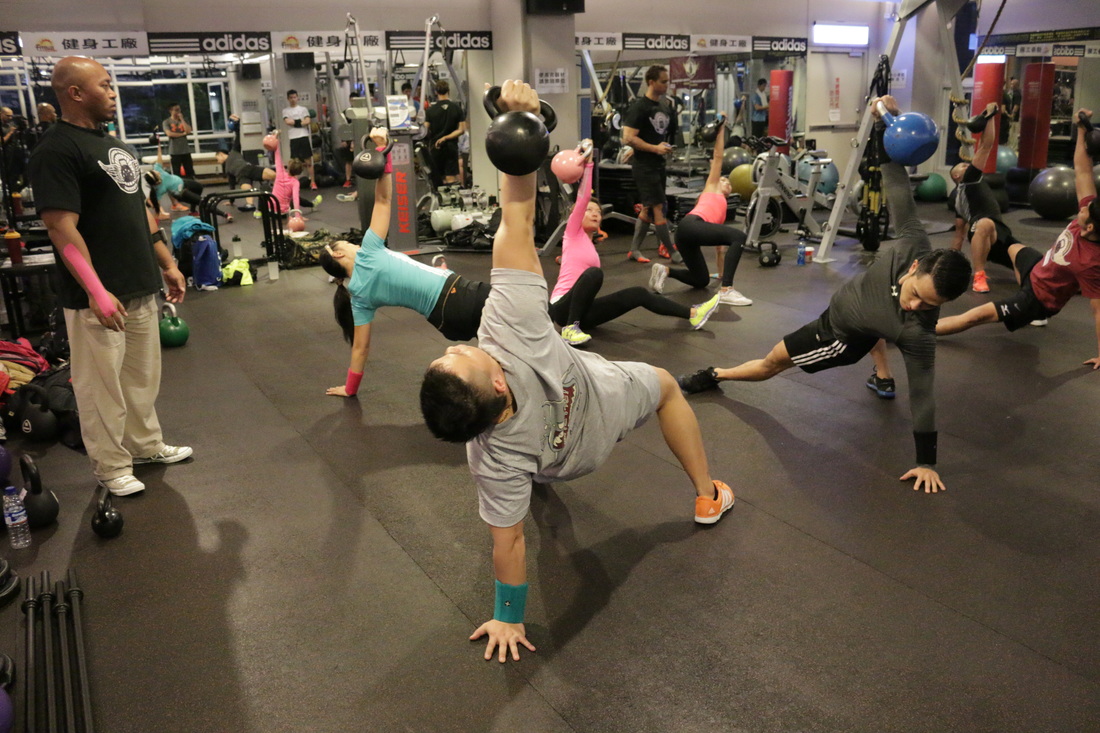
Do these 2-3 times a week, 2-3 sets each. The last 2-3 reps should feel like work in your muscles, never pain in a joint or your back.
- Sit-to-stand: 3 sets of 8-10. Starting position: sit on a chair, feet shoulder width apart. Stand up without using your hands. Easier: a higher seat or one hand on your thigh. Harder: hold a dumbbell at your chest, or slowly lower for 3 seconds. It’s the movement of getting up from the sofa, so it pays off every day.
- Step-ups: 2-3 sets of 8 each leg onto a low step (15-20 cm), holding a rail. Harder: a higher step or a dumbbell in each hand. Stair climbing at home or in your HDB block is great practice.
- Wall push-ups: 3 sets of 10. Harder: hands on the kitchen counter, then a sturdy bench.
- Seated row or band row: 3 sets of 10-12. Sit tall & pull your elbows back. It helps you improve posture.
- Heel raises: 3 sets of 12-15, holding a counter. Slowly raise onto your toes, pause, lower.
- Glute bridges: 3 sets of 10. Starting position: lying on your back, knees bent, feet flat. Squeeze your bottom & lift your hips. Hip extension like this protects your hips.
- Farmer’s carry: walk 20-30 metres holding a weight in each hand, standing tall, 3 rounds. This is exactly the skill of carrying shopping bags safely.
- Hip abduction with elastic exercise bands: 2 sets of 12 each side, standing & holding a chair. Strong side hip muscles improve stability & help prevent falls.
Careful (amber): squats, hinges & the bent over row, with a coach
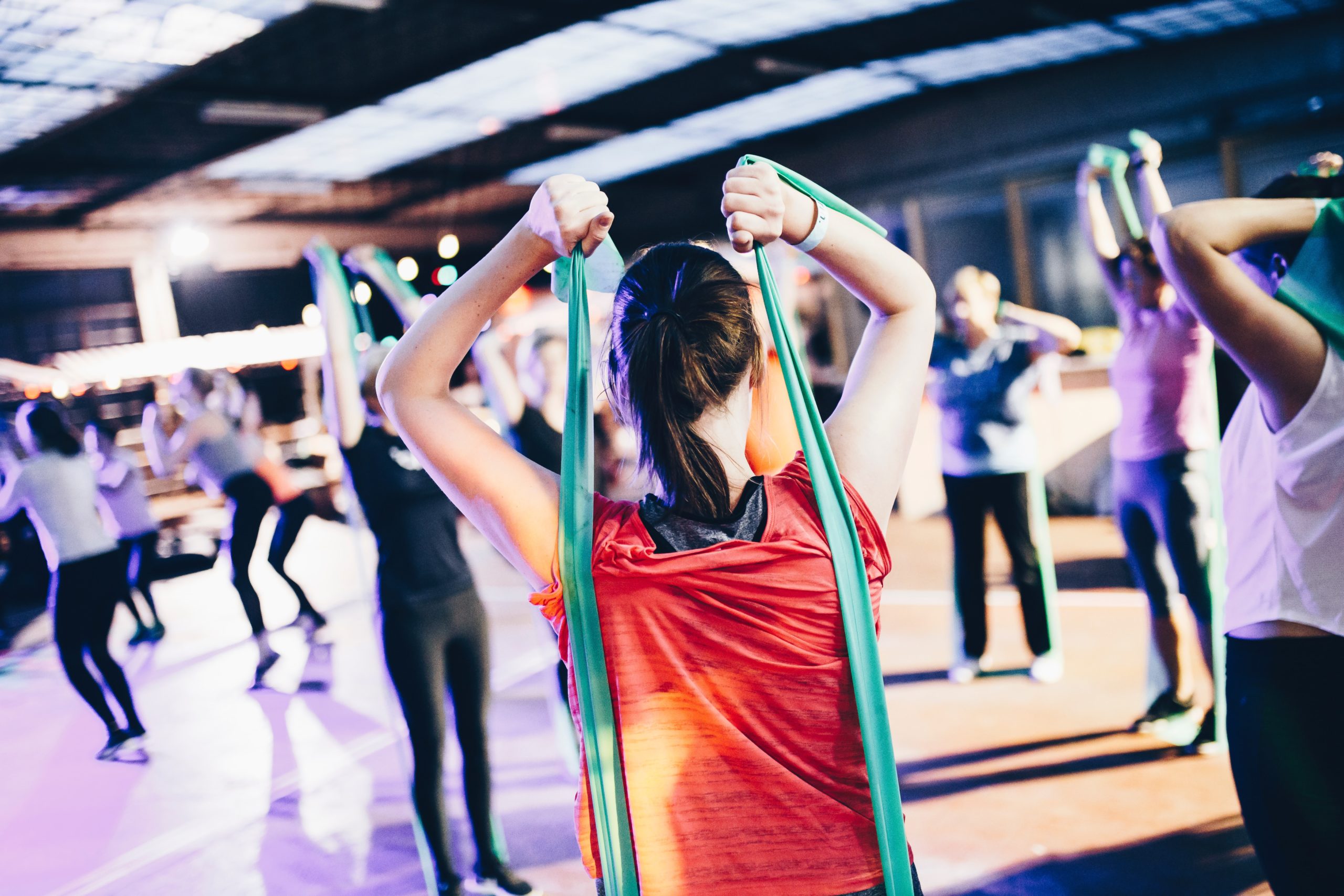
These load the hip & spine through your legs, so they build bone well, but form decides whether they help or hurt.
- Goblet squat: hold one dumbbell or kettlebell at your chest, sit back to a box or bench, stand up. Start with 3 sets of 8, chest up, spine long. Squats are one of the best osteoporosis exercises once your sit-to-stand is easy.
- Hip hinge & Romanian deadlift: push your hips back with soft knees & a flat back, then stand up by squeezing your bottom. Learn it with a broomstick along your back first. This is how to pick things up safely, from a laundry basket to a grandchild. If you’ve had a spinal fracture, ask your doctor before any hinging.
- Dumbbell bent over row: starting position: one hand & knee on a bench, flat back. Pull the weight to your hip, 3 sets of 8-10 each side.
- Overhead press: light dumbbells, seated or standing, 3 sets of 8. Skip it if your shoulders hurt or your upper back is very rounded.
- Weighted lunges: start with split squats holding a rail, then add dumbbells.
- Impact work: heel drops & small hops build bone in the hips, but only if your doctor & coach agree it suits your fracture risk. Not for anyone with a spinal fracture.
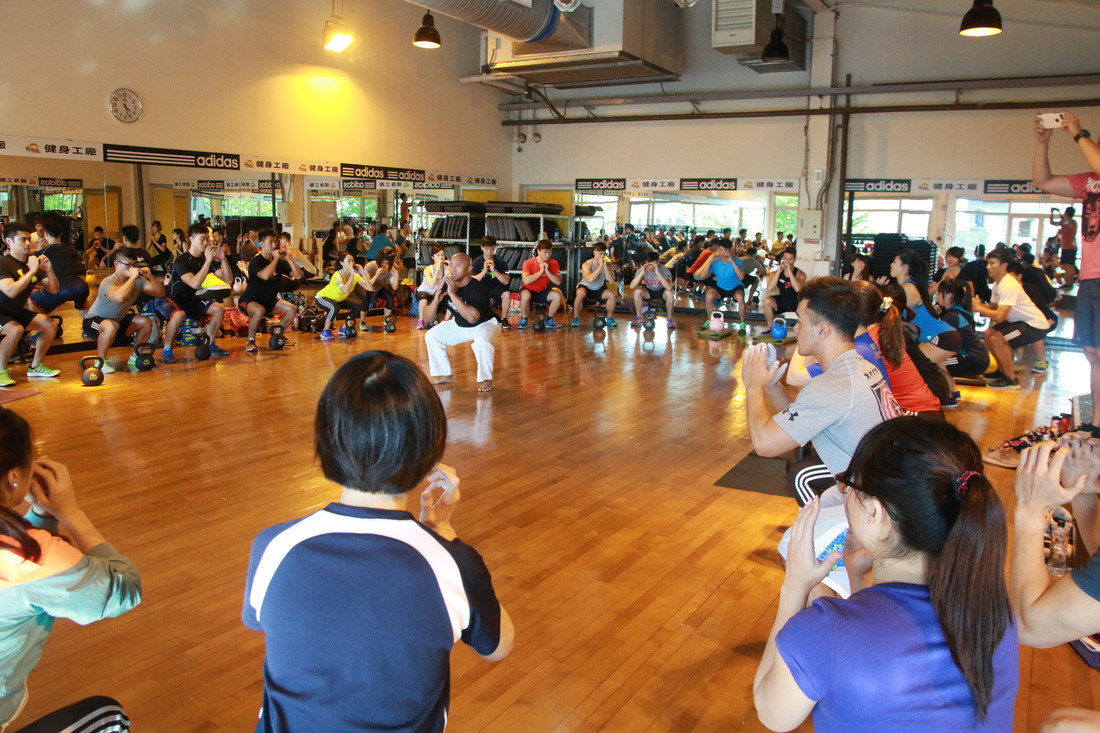
Avoid (red): the abdominal exercises & twists to skip for now
- Sit-ups, crunches & toe touches. Repeated, forceful bending of the spine is the movement most linked to spinal compression fractures in people with low bone density. Your abdominal muscles still matter; strengthen muscles around your trunk with abdominal exercises that keep the spine long, like dead bugs, bird dogs & planks against a wall.
- Twisting with weight: Russian twists, heavy woodchops, swinging a heavy bag round to the car boot.
- Heavy lifting from the floor with a rounded back, like hauling a full suitcase or a pot of water up by bending over it.
- Sudden, jerky lifts & testing your maximum without a coach.
Tying your shoelaces is fine. The red list is about adding weight to deep bending & twisting.
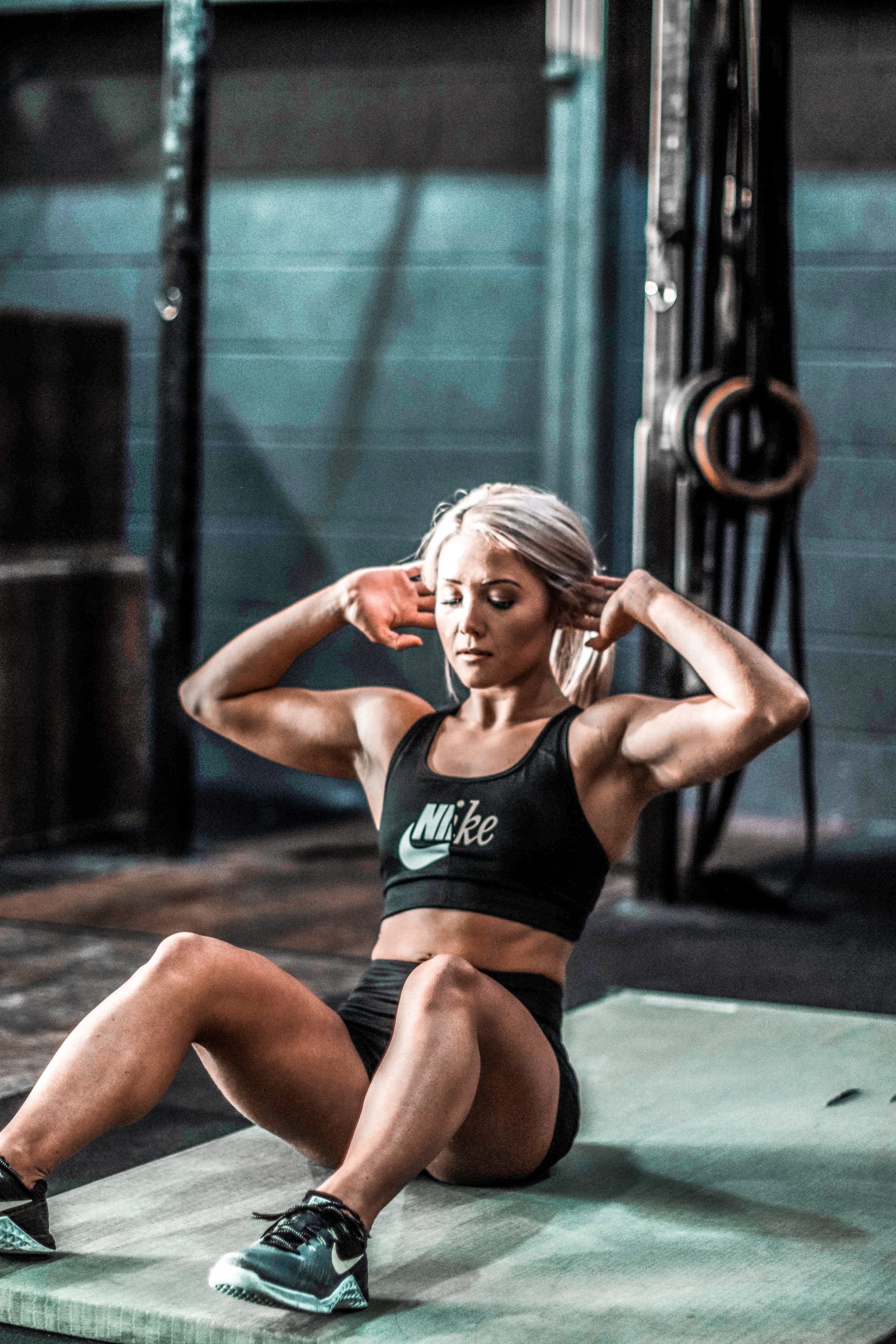
How I progress clients in their 60s & 70s safely to improve bone health
Slow, steady progress is exactly what bones like. The aim is to stay active & keep lifting for years.
- Test, don’t guess. Everyone starts with a full assessment: how they squat, bend, balance & get up from the floor, plus their history & scan results. That tells me which lifts are green for them.
- Positions before weight. For the first 2-4 weeks we practise the shapes: a long spine, hips moving back, feet planted, breathing out on the effort. Body weight & light bands only.
- Add weight one small step at a time. Once rep 10 looks like rep 1, the weight goes up 1-2 kg. Only one thing changes per week.
- Work hard, not to failure. The first month, use a weight you could lift 15 times & do 10-12. After 2-3 months, a weight you could lift about 12 times for 8-10. After 3 months, with a coach, many people move to heavier sets of 5-8, where the last rep is hard but the spine never changes shape.
- Balance every session. A few minutes of balance exercises (standing on one leg, heel-to-toe walking) at the start of every exercise session.
- Keep the red list red, even on good days.
- Talk to the doctor. If someone is on osteoporosis medication or has had a fracture, I want their doctor’s or physical therapist’s guidance in the plan. Exercise works alongside treatment; it doesn’t replace it.
If the weight makes your back round, makes you hold your breath for long, or your posture collapses, it’s too heavy today.
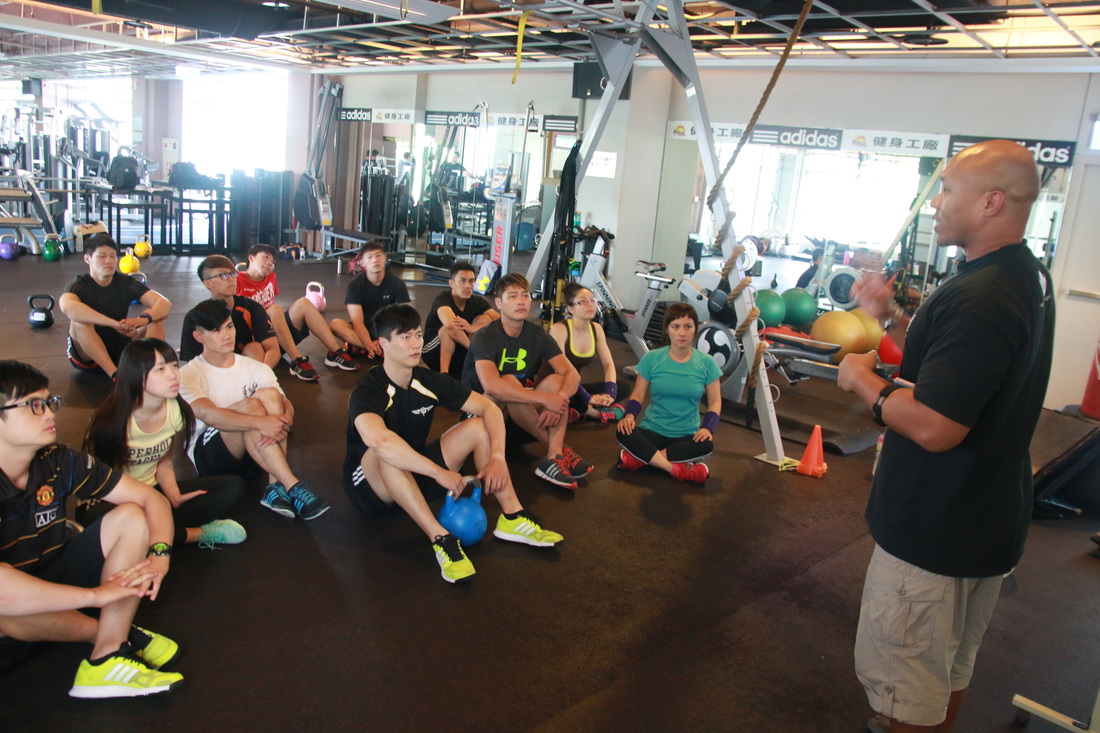
Should you do squats if you have osteoporosis?
Yes, most people should, because squats load the hips, where a hip fracture would happen. Progress from sit-to-stands to a box squat, then a goblet squat. If squats hurt your knees, see my guide to knee pain when squatting.
What type of weight lifting is best for osteoporosis? Free weights, machines or elastic exercise bands
The best weight lifting for osteoporosis works the major muscle groups (legs, hips, back & arms) & gets a little harder over time. All of these work:
| Type | Best for | Watch out for |
|---|---|---|
| Free weights (dumbbells, kettlebells) | Strength & balance together; easy at home | Needs good form; start light |
| Weight machines | Anyone nervous about balance; small weight jumps | Avoid ab crunch & twisting machines |
| Elastic exercise bands | Starting out, travel, home | Hard to make heavy enough over time |
Other types of exercise for healthy bones
Lifting is one part of a good exercise programme. These other types of exercise fill the gaps.
Weight bearing exercises & impact exercise
Weight bearing exercises such as brisk walking, stair climbing, dancing & playing tennis load your bones through your legs, so they help build bone in the hip and spine. Swimming & cycling are good for your heart but aren’t weight bearing, so they do little for bone density. Impact exercise (heel drops, small jumps) builds bone well, but only if your doctor says your fracture risk allows such exercises.
Balance exercises & tai chi
Tai chi has good evidence for helping older adults improve balance & prevent falls; try a morning group in your neighbourhood park.
Flexibility exercises & aerobic exercise
Gentle flexibility exercises for your chest, hips & calves help posture; avoid stretches that round your spine forward. For aerobic exercise, a brisk early-morning walk along the park connector counts.
What to do this week
| Day | What to do |
|---|---|
| Day 1 | Green lifts: sit-to-stand, wall push-ups, band row, bridges, heel raises (2 sets each) |
| Day 2 | 20-30 minutes of brisk walking + 5 minutes of balance exercises |
| Day 3 | Rest or a gentle walk |
| Day 4 | Green lifts again; add step-ups & a farmer’s carry with your shopping bags |
| Day 5 | 20-30 minutes of walking; take the stairs where you can |
| Day 6 | Green lifts a third time if you feel good, or a beginner class |
| Day 7 | Rest; note which lifts felt easy, so you know what to progress next week |
If you’ve had a fracture or you’re not sure what’s safe, see your doctor or a professional before your first session.
Who can train you safely?
You can do the green lifts on your own. For the amber lifts, look for someone who asks about your scan, fractures & medication before you lift anything, & who builds up slowly. A certified personal trainer is a start; a sports medicine trainer has extra training in movement science, injury & exercise for health conditions.
That’s what my team at MSMC does. We start with a $190 full assessment: we test how you move & what’s safe for your bones, then build your personal training plan around it. We’re at Farrer Park, & we’re happy to work alongside your doctor or physical therapist. We don’t diagnose; we coach.
Prefer to start in a group? Try a class at MSMC with my code READ10 for 10% off one class (once per person). Book on MSMC’s class schedule & enter READ10 at checkout. Tell the trainer about your osteoporosis before class so they can adjust the moves for you.
Confused, scared or don’t know where to start?
That’s normal. Here’s what happens if you come to us:
- You message MSMC or book the full assessment online. No commitment to anything else. Bring a family member if it helps.
- We talk first. Your scan results, fractures, medication, what worries you & what you want to get back to, whether that’s carrying the grandchildren or walking up Bukit Timah.
- We test gently, at your pace, stopping if anything hurts.
- You get a plan in plain English. Which lifts are safe for you now, which to avoid, & where to start.
- You train with a sports medicine trainer who builds the weight up slowly & keeps your doctor’s advice in the plan.
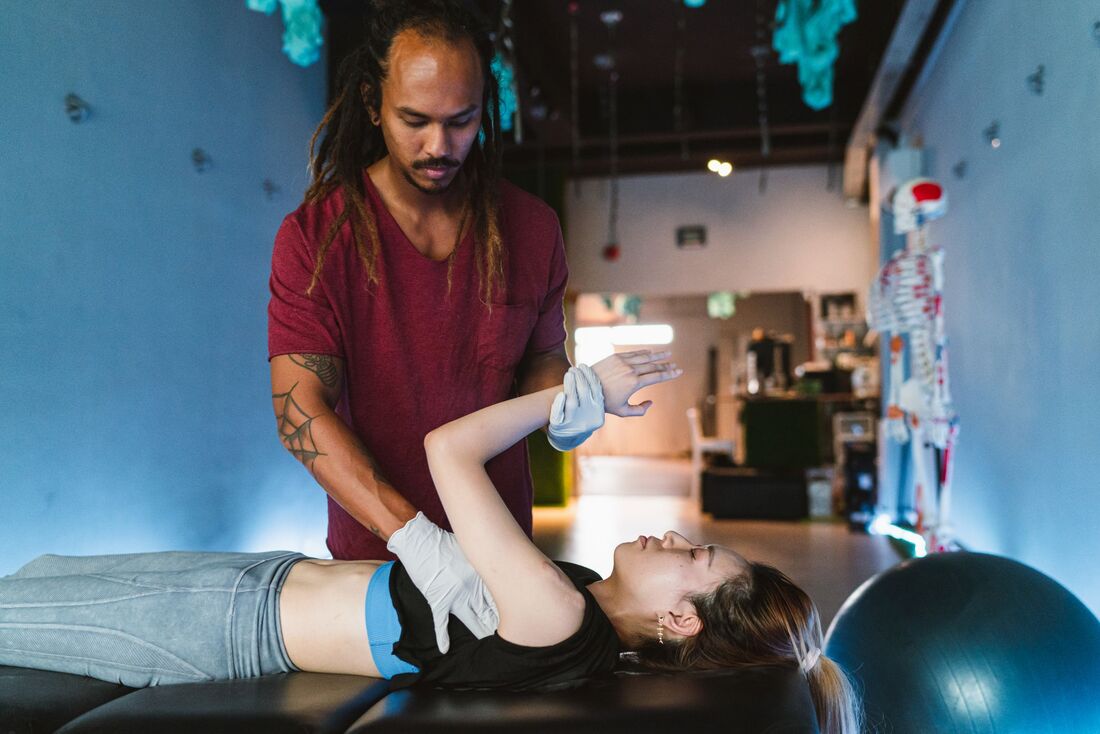
You don’t need to be fit to start. You just need to start where you are.
FAQs
Can you lift weights with osteoporosis?
Yes, most people can & should, with the right lifts & a slow progression. Get your doctor’s okay first if you’ve had a fracture.
What exercises should you avoid with osteoporosis?
Avoid sit-ups, crunches, toe touches, twisting with weight & lifting from the floor with a rounded back. High impact exercises are only for people whose doctor says their fracture risk allows it.
Is it safe to carry shopping bags or my grandchild with osteoporosis?
Usually yes, if you stand tall, keep the load close & bend at the hips & knees rather than rounding your back. Split shopping into two bags, one in each hand. If you’ve had a recent spinal fracture, ask your doctor first.
Can lifting weights increase bone density?
It can help slow bone loss & in some studies increase bone density, especially with supervised resistance training & weight bearing exercises. Results vary, so there’s no guaranteed number on your next scan.
Is it too late to start lifting weights at 65 or 70?
No. Bone & muscle respond to training at any age. Older women & men just start lighter & progress more slowly.
Is walking enough for osteoporosis?
Walking is good weight bearing exercise, but on its own it usually isn’t enough to build bone strength. Add muscle strengthening exercises 2-3 times a week & daily balance work. If you have osteopenia, starting now may help prevent osteoporosis later.
My verdict
Lifting weights with osteoporosis is one of the most useful things you can do for your bone health, your balance & your independence. Stay with the safe-to-start lifts, learn the amber lifts with someone qualified, & avoid loaded bending & twisting. If I could give you one exercise recommendation, it’s this: start this week with sit-to-stands, & get a proper assessment before you add serious weight.
Book your $190 full assessment at MSMC