If your knee hurts when you squat, you usually don’t need to stop training, & it’s usually not a serious injury. Most knee pain when squatting comes from stiff ankles, weak glutes or too much weight too soon, & where it hurts is your best clue. Find your cause with 3 quick tests, then keep squatting with a smaller range, a lighter weight & better technique while you fix it. A swollen knee, locking or a knee that gives way is the exception: see a doctor first.
By Jab, sports medicine trainer. I’ve spent 20+ years helping people train, recover & move without pain, & I founded MSMC in Singapore & ITI, which trains physios, chiropractors & personal trainers. I lift too, & sore knees in the squat rack are one of the things I fix most. Last updated 26 November 2026.
Key facts: knee pain when squatting
- Most common cause: too much load on the front of the knee, from stiff ankles, weak glutes or a jump in weight or volume.
- Where it hurts matters: front, inside, outside & back point to different causes, from patellofemoral pain syndrome to iliotibial band syndrome.
- Keep your progress: squat to a pain-free depth & train around it, rather than stopping.
- See a doctor first if: the knee swells, locks or gives way, or hurts after a fall or twist.
Is it a real injury? Where your knees hurt tells you why
| Where it hurts | Common cause | What usually helps | See a doctor first if |
|---|---|---|---|
| Front, around or behind the kneecap | Patellofemoral pain syndrome (the kneecap pressing on the thigh bone), patellar tendon pain below the kneecap | Less depth for now, heels-elevated squats, wall sits, stronger quadriceps & glutes | The kneecap feels like it shifts out of place |
| Inside | Knees collapse inwards (knee valgus), irritated inner ligaments, meniscus tears in some cases | Knee tracking over the toes, glute work, ankle mobility | Catching or locking |
| Outside | Iliotibial band syndrome, weak glutes, hips rolling inwards | Side hip strength, wider stance, less volume | Pain after a twist or a pop |
| Back | Deep squat compression, hamstring or calf tendons | Squat to a box, hamstring & calf strength | A swollen, hot or tender calf (urgent) |
For most people, gym knee pain is front-of-knee overload, not damage to the joints. Real knee injuries usually announce themselves: a pop, fast swelling, locking or giving way. This map isn’t a diagnosis; a doctor or physical therapist confirms it.
Find the cause in 3 tests: ankle mobility, weak glutes & load
- Knee-to-wall test (ankle mobility). Face a wall, one foot about 10 cm (4 inches) away. Keep your heel on the ground & push your knee forward over your feet to touch the wall. If you can’t reach, stiff ankles are forcing your knees to make up for it.
- Single-leg step-down (glutes). Slowly lower one heel to the floor from a low step. If the standing knee dives inwards past your big toe, suspect weak glutes.
- Pain-free depth test (load). Squat slowly & stop at the first discomfort. That depth is your working range for now. If heels on a small plate make it pain free, the knee needs time & strength, not rest.
Why knees hurt when you squat: the most common reasons
Your knee joint sits between the thigh bone & the shin bone, with cartilage, ligaments & tendons keeping it stable & synovial fluid helping it glide. The muscles of your thighs & hips (quadriceps, glutes & hamstrings) share the work with your ankles & the rest of your lower body. When one link is stiff or weak, the knee joint takes excessive stress & pressure. In the gym, the common reasons are squat mechanics & form:
- Knees collapsing inwards as you drive up, or poor alignment & weight distribution onto the toes.
- A training spike: a new programme or a jump in weight overloads tendons & cartilage. Patellar tendon pain is common in people who squat heavy or jump.
- Dropping into the bottom fast, which spikes the forces through the knee.
Exercises to relieve knee pain without losing your progress
Warm up with 5 minutes on the bike & 10 slow bodyweight squats to get the muscles & joints moving, then swap your squat day for these exercises, 3 times a week, as your workout routine. Mild discomfort (up to 3 out of 10) that settles by the next day is fine; sharp pain is not.
- Wall sit: 4-5 holds of 30-45 seconds. It often calms tendon pain. Easier: higher. Harder: lower, or hold a plate. It should burn in your thighs, not your kneecap.
- Box squat: 3 sets of 8-10 to a box at your comfortable depth, with a weight you can control & good technique. Lower the box 2-3 cm a week. This keeps your strength while the knee settles.
- Heels-elevated goblet squat: 3 sets of 8 with a small plate under your heels.
- Banded side steps & glute bridges: 2-3 sets of 12 each, to strengthen the glutes that stop your knees caving in.
- Ankle rocks: 2 sets of 10 each side in the knee-to-wall position.
- Split squat or tempo squat: 3 sets of 8, lowering for 3 seconds to control the movement.
Keep training the other exercises & movements that don’t hurt, & you’ll lose very little strength. The body adapts to what you do, so keep doing it.
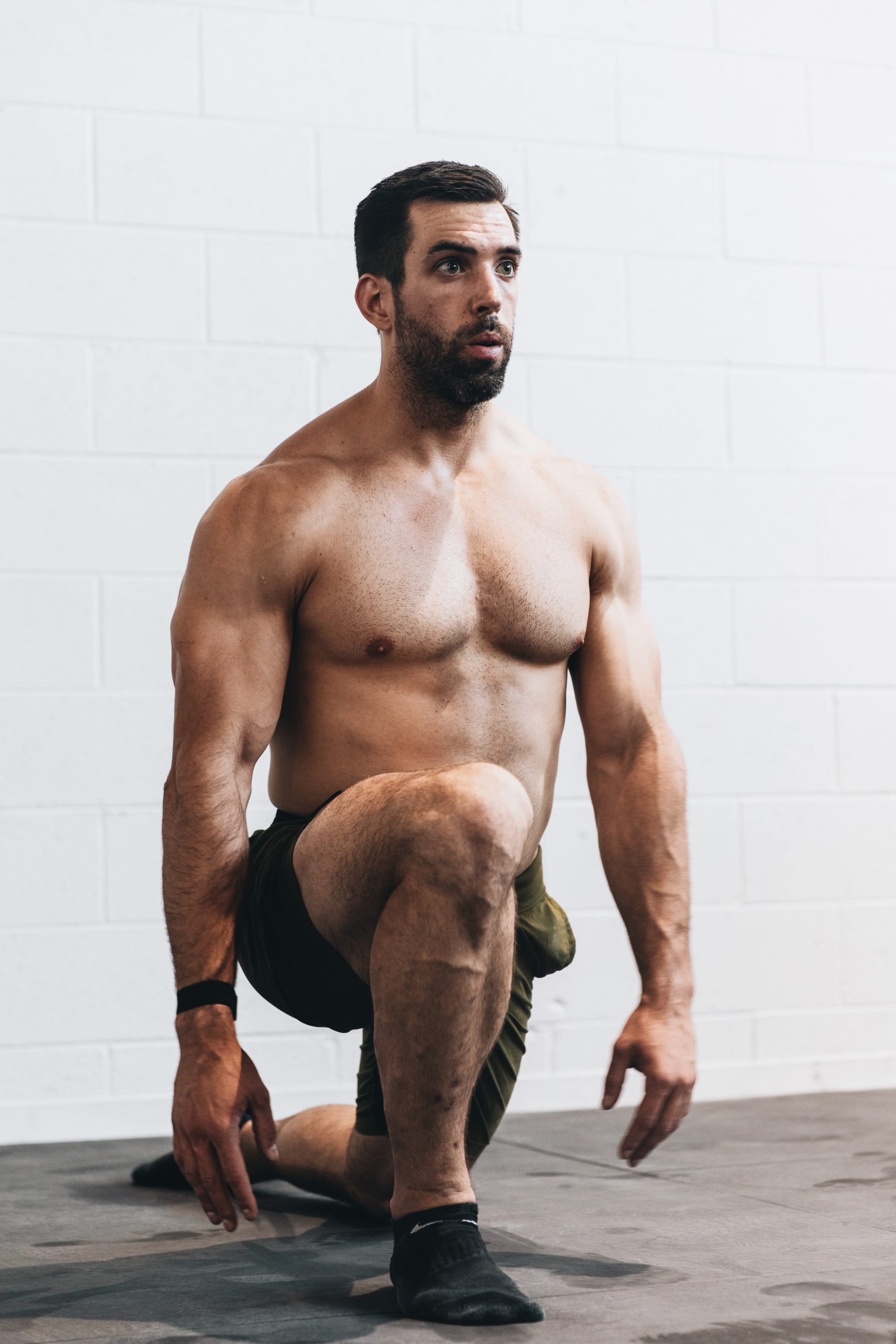
What to avoid for now
Avoid loading a deep squat through pain, jumping if it flares, & long sitting with bent knees, which adds stress to the knee. Ice may help reduce inflammation & ease pain for a while, but it won’t fix the cause. Knee braces & sleeves give temporary relief & support, but they don’t replace strength.
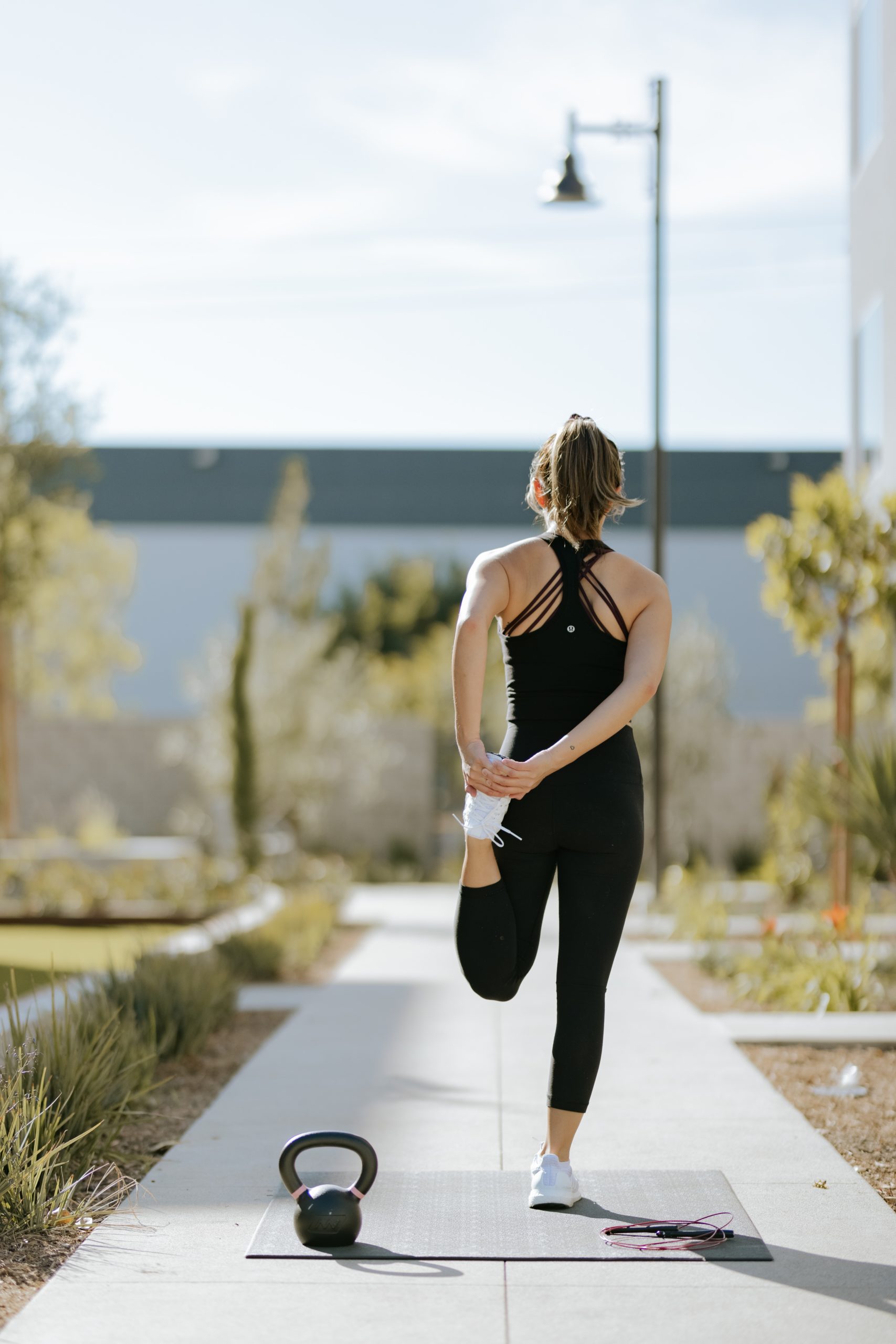
Red flags: see a doctor first
Get checked before you train if your knee swells soon after an injury, locks or catches, gives way, can’t fully straighten, or you heard a pop. See a doctor urgently for a hot, red knee with fever, severe pain, or a swollen, painful calf.
What to do this week
| Days | What to do |
|---|---|
| Days 1-2 | Do the 3 tests & note your pain-free depth |
| Days 3-4 | Wall sits, box squats at that depth, glute bridges, ankle rocks; train upper body as normal |
| Day 5 | Rest the knee from squats |
| Days 6-7 | Repeat; lower the box 2 cm if it felt fine |
If you’d rather have someone guide you
If your knees still hurt after 2-3 weeks, my team of sports medicine trainers at MSMC can help. We start with a $190 full assessment: we watch you squat, test your ankles, hips & knee tracking, then build personal training that keeps you lifting & helps strengthen the muscles that support your knees. We don’t diagnose, & we’ll tell you if you need a doctor first.
Prefer a class? Use my code READ10 for 10% off one class at MSMC (once per person). Book on MSMC’s class schedule & enter READ10 at checkout.
Confused, scared or don’t know where to start? For active adults who want to keep lifting
Skipping leg day for months because you fear a torn meniscus usually makes the knee discomfort worse. Here’s what happens if you come to us:
- Book the full assessment or message MSMC with your questions.
- We listen & test: your training, your squat, ankle mobility & hips.
- You get a plan: the squat you can do today & how to build back to your working weights.
- We coach you until squatting feels normal again.
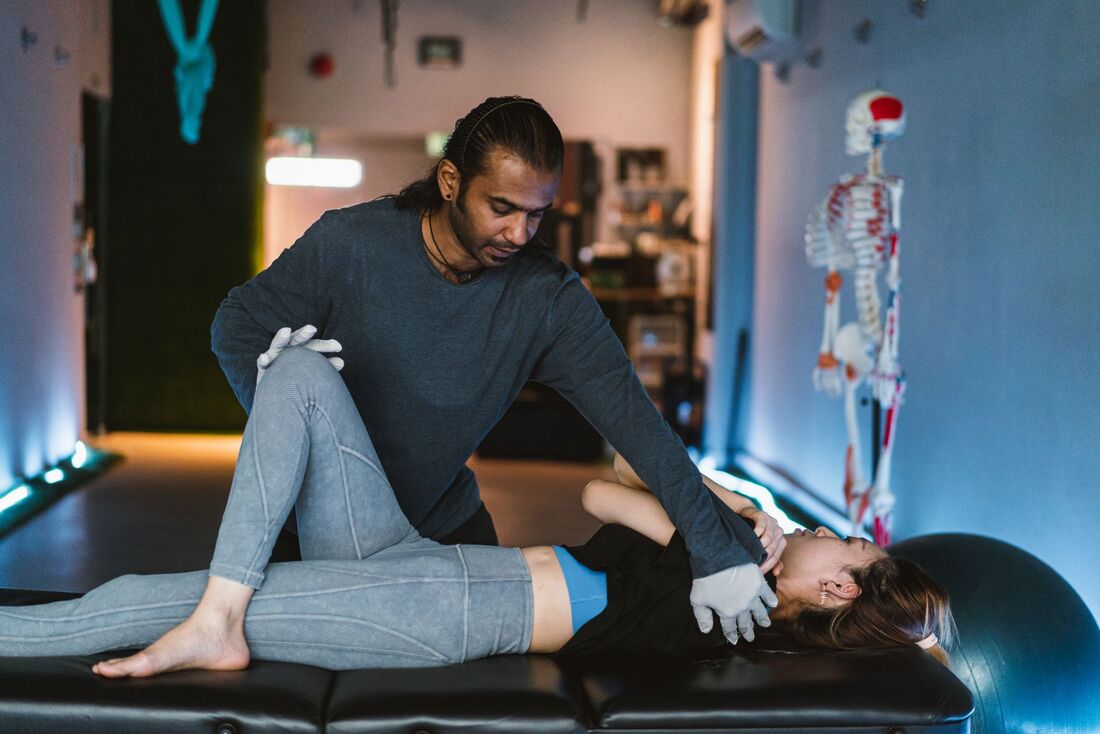
FAQs
Should I stop squatting if my knee hurts?
Usually not. Squat to a comfortable depth with a lighter weight & better form, & build back up. Stop & see a doctor if there’s swelling, locking or giving way.
How do I know if my knee pain is serious?
Swelling, locking, giving way, a pop or not being able to straighten it. Achy front-of-knee pain that settles as you warm up is usually overload.
Is it bad if my knees go past my toes?
No. What matters is your weight over the mid-foot & your knees tracking over your toes.
Will I lose my strength if I squat lighter for a few weeks?
Very little, if you keep training around the pain with box squats, split squats & everything else that’s pain free.
Can physical therapy help with knee pain?
Yes. See a physical therapist first if you’ve had an injury or need a diagnosis; then a sports medicine trainer helps you get back to heavy squats.
What is the number one mistake that makes knee pain worse?
Stopping all leg training. Rest gives temporary relief, but weaker legs usually mean more knee discomfort later.
My verdict
Knee pain when squatting is a signal to change the squat, not to quit. Find where it hurts, run the 3 tests, & keep training around it. If it’s not better in a few weeks, get it looked at properly.
Book your $190 full assessment at MSMC