Woke up stiff & sore the morning after deadlift day? It’s most likely muscle soreness, not a slipped disc. A dull, even ache either side of your lower back, glutes & hamstrings that peaks a day or two later & eases as you warm up is normal. Sharp pain during the lift, pain on one side that gets worse, or pain, pins & needles or numbness running down your leg is more likely an injury. Use my 48-hour test below to tell which, whether to rest or train, & which of 3 form faults probably caused it. Leg weakness, numbness around your groin or changes in bladder or bowel control need urgent medical attention.
By Jab, sports medicine trainer. I’ve spent 20+ years helping people train, recover & move without pain, & I founded MSMC in Singapore & ITI, which trains physios, chiropractors & personal trainers. I lift myself, & I’ve had my share of stiff mornings after deadlift day. Last updated 26 November 2026.
Key facts: lower back pain after deadlift
- Normal: a dull, even ache that peaks 24-48 hours after a deadlift session & eases as you move.
- Not normal: sharp pain, a pop, pain on one side that worsens, or symptoms down the leg.
- The test: if it’s clearly better by 48 hours, it’s most likely soreness.
- Most common cause: form breaking down under load or fatigue, or doing too much too soon.
- Urgent: leg weakness, numbness around the groin, or bladder or bowel changes: go to A&E.
Sore or injured? The difference
| Muscle soreness | Possible injury | |
|---|---|---|
| When it starts | Hours later, peaks at 24-48 hours | During the lift, often with a sharp pain or a pop |
| How it feels | Dull, even ache, feels tight, both sides | Sharp, stabbing or one-sided |
| Moving around | Eases as you warm up | Gets worse, or you can’t bend or stand upright |
| Where it goes | Stays in the muscle | Can travel into the buttock or leg |
| By 48 hours | Clearly better | Same or worse |
The symptoms of a lower back muscle strain are a painful, tight muscle group on one or both sides of the spine, pain when you bend or twist, & sometimes spasm. Most strains heal within days to a few weeks with gentle movement.
How to tell in 48 hours: my test
- Straight after the deadlift session: note where it hurts, how sharp it is (0-10) & whether it’s one side or both.
- At 24 hours: walk for 10 minutes, then try 10 gentle cat-cows & 10 bodyweight hip hinges. Rate the pain again.
- At 48 hours: wait until now before you decide, then repeat. If the pain is roughly half or less & it eased as you moved, it’s most likely muscle pain, so train lighter.
- If it’s the same or worse, sharp, one-sided or going into your leg, stop deadlifting & get it assessed.
When back pain needs medical attention
Go to A&E or call 995 for leg weakness, numbness around your groin or inner thighs, or new problems controlling your bladder or bowel. See a doctor soon for pain, pins & needles or numbness down one leg, pain at night that doesn’t ease, fever, or pain after a fall.
Rest or train? What to do in the first 48 hours
Neither bed rest nor your next heavy session. Move gently & let the test decide.
- Keep moving gently. Short walks beat bed rest for most back pain, & you’ll loosen up faster. More ideas in my guide to easing muscle soreness.
- Heat or ice: use whichever feels better for 15-20 minutes. Many people find heat helps a stiff, sore back.
- Train upper body if you like, but skip heavy deadlifts & squats until the 48-hour test is done.
- Sleep: on your side with a pillow between your knees, or on your back with a pillow under your knees.
- Pain relief: ask a pharmacist or doctor what suits you.
What did you do wrong? Common causes of lower back pain after deadlifts
- Rounding under load: the spine loses its position as the bar leaves the floor or as you get tired.
- Starting position: hips too low (turning it into a squat) or too high (turning it into a stiff-legged pull).
- The bar drifting away from your legs, which makes your lower back work harder.
- Leaning back at the top instead of finishing with your glutes.
- Too much load or volume, too soon, or heavy deadlifts on a day you slept badly. Save your heaviest sets for days you feel fresh; poor sleep & life stress also make pain feel worse.
- Fatigue: proper form is easy on rep 1 & hard on the last set of a long workout, when the body starts cutting corners.
- A sudden jerk: yanking the bar off the floor can strain a muscle.
Is it a slipped (herniated) disc?
Probably not. Most lower back pain after a deadlift is a muscle strain or plain muscle soreness. A herniated disc is much less common. Nerve symptoms usually travel: pain, tingling or numbness down the leg, sometimes worse when you bend forward, cough or sneeze. That’s an injury to get checked, not to train through. MSMC’s guide to sciatica explains more.
The 3 hip hinge faults I correct most
The deadlift is a hip hinge: your hips move back, your spine stays long & your legs push the floor away. These are the 3 faults I correct most, with the drill I use for each.
1. A starting position with the hips too low
The knees push forward, the bar hits your knees & your back takes over. Fix: the wall hinge. Stand a foot-length from a wall & push your hips back to touch it, knees soft, shins vertical. 3 sets of 10. It should feel like a stretch in your hamstrings.
2. Losing your brace off the floor
The bar leaves the floor & your lower back rounds. Fix: a kettlebell deadlift from a block. Chest up, lats tight so the bar stays close, pull the slack out of your arms, breathe in & brace your stomach, then push the floor away. 3 sets of 8. Easier: a higher block. Harder: lower the block, then return to the floor. Rack pulls from just below the knee work the same way with a barbell.
3. Finishing with your lower back
At the top, you lean back & squeeze your lower back instead of your butt. Fix: glute bridges with a 3-second hold (3 sets of 10), then finish each deadlift in an upright position: standing tall with your ribs down, hips under you & glutes squeezed. Don’t lean back.
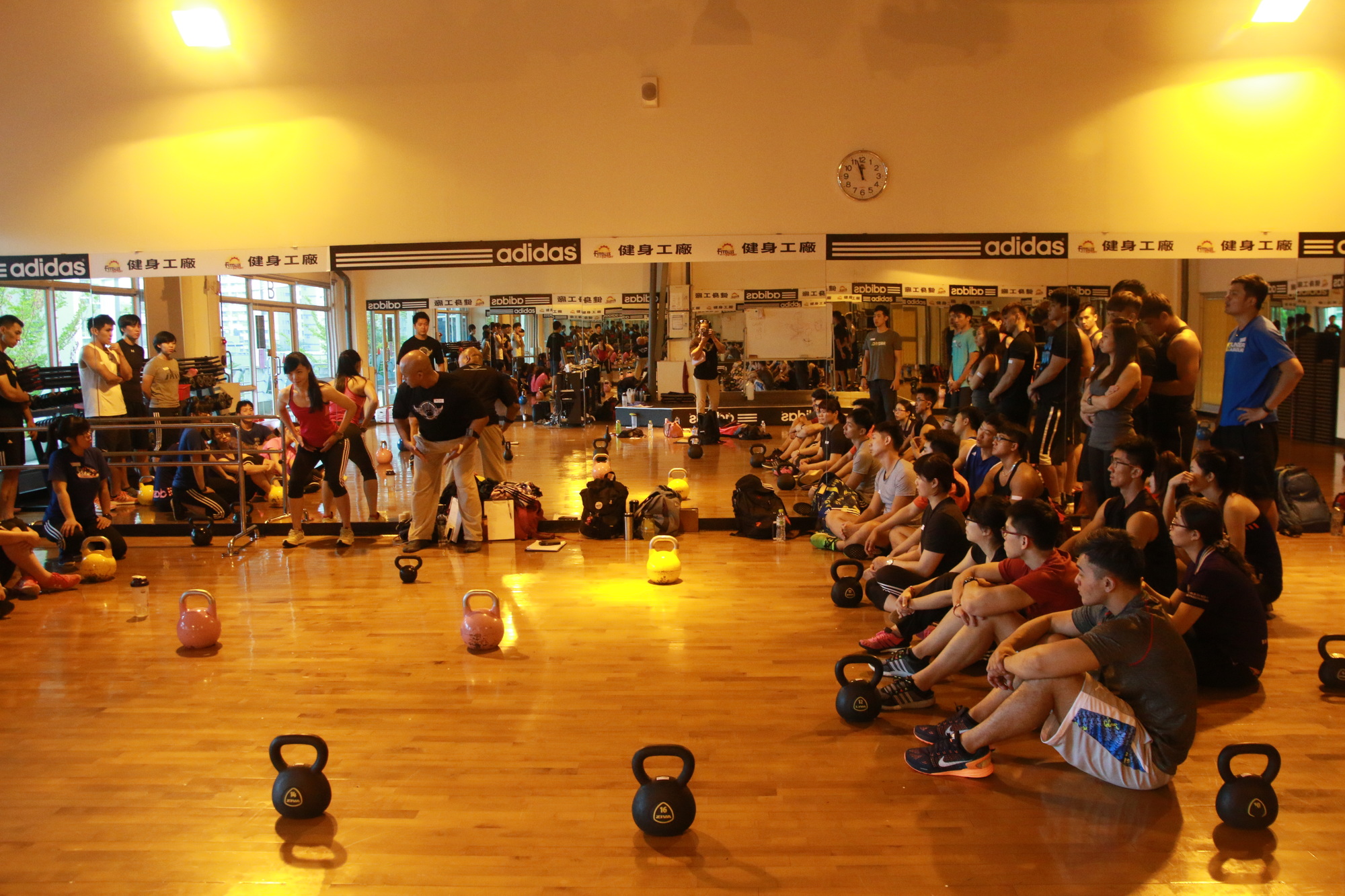
Getting back to heavier lifting: rack pulls first, then the floor
| Week | What to do |
|---|---|
| Week 1 | Walking, bird dogs, cat-cow, glute bridges, hip hinge with a dowel |
| Week 2 | Kettlebell deadlifts from a block, 3 sets of 8, pain free |
| Week 3 | Rack pulls or a light Romanian deadlift at about 50-60% of your usual weight |
| Week 4+ | Back to the floor; add weight only if the next day feels normal |
Let your body set the pace. If the pain comes back each week, stop & get assessed; more training won’t heal a movement problem.
Recovery exercises that help
- Bird dog: 2 sets of 8 each side. Reach the opposite arm & leg long without your back moving.
- Cat-cow: 10 slow reps to ease stiffness.
- Glute bridge: 3 sets of 10, 3-second hold at the top.
- Hip hinge with a dowel: 2 sets of 10, the dowel touching your head, upper back & tailbone.
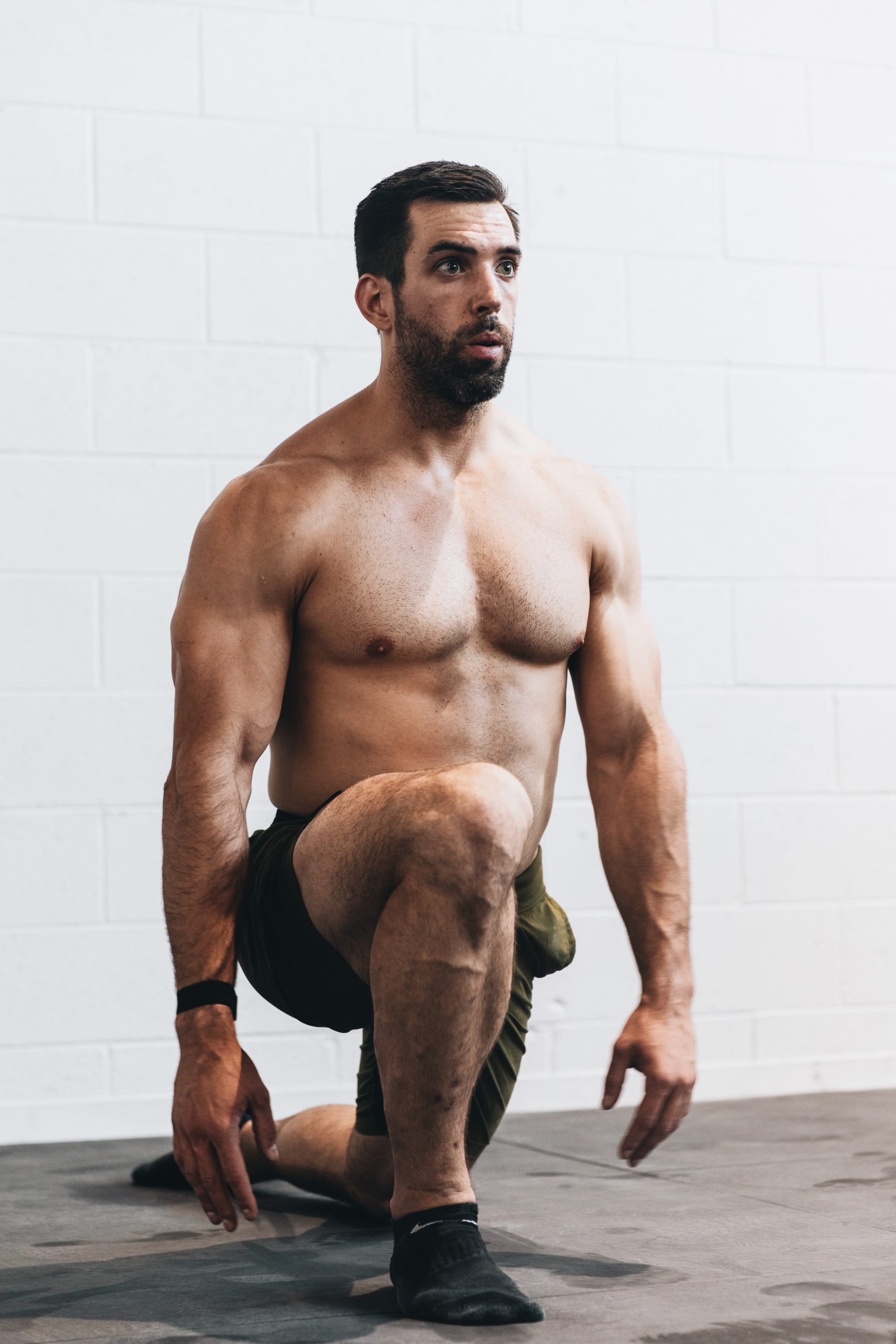
- Half-kneeling hip flexor stretch: 30 seconds each side, squeezing the glute of the back leg. Many people feel it helps a stiff lower back after long days sitting.
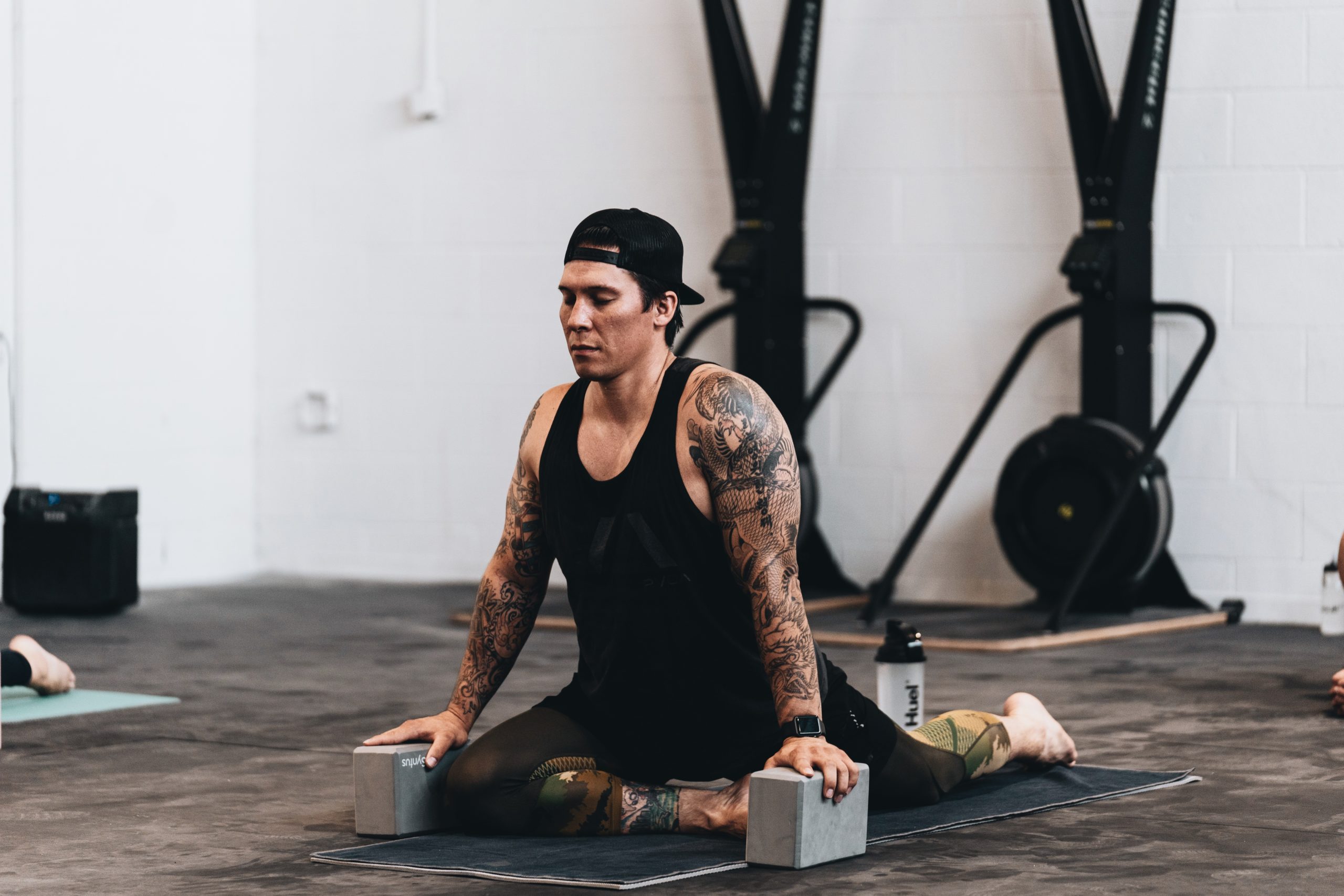
- Hamstring & hip stretching: 30 seconds each side.
What to do this week
| Day | Plan |
|---|---|
| Days 1-2 | Walk, heat or ice, sleep well, run the 48-hour test |
| Days 3-4 | Recovery exercises once a day; no deadlifts |
| Days 5-7 | If pain free, kettlebell deadlifts from a block; if not, get it checked |
Physical therapy, a chiropractor or a coach?
If you have red flags or pain down the leg, see a doctor first. For a diagnosis & treatment, physical therapy is the usual next step, & some people choose a chiropractor. Once you’re cleared, a coach rebuilds your hinge so it doesn’t keep happening.
If you’d rather have someone guide you
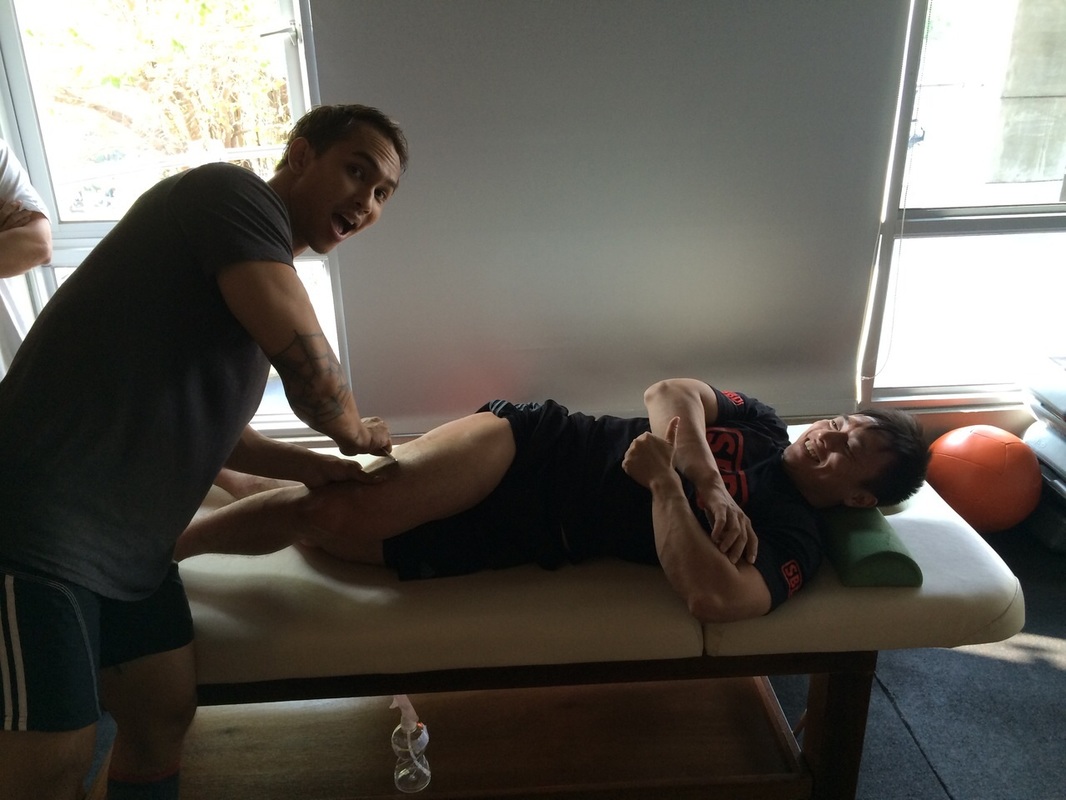
If your back keeps hurting after deadlifts, my team of sports medicine trainers at MSMC can help. We start with a $190 full assessment: we watch your hinge, test your hips, hamstrings & trunk, then build personal training that gets you deadlifting pain free. We don’t diagnose; if something needs a doctor, we’ll tell you.
Prefer a class? Use my code READ10 for 10% off one class at MSMC (once per person). Book on MSMC’s class schedule & enter READ10 at checkout.
Confused, scared or don’t know where to start?
Googling “slipped disc” at 7am with a stiff back is scary, & lots of lifters quit deadlifts for good. You don’t have to. Here’s what happens if you come to us:
- Book the full assessment or message MSMC.
- We listen: what happened, how it feels & what you want to get back to.
- We test gently: your hinge, hips & core, stopping if anything hurts.
- You get a plan: what’s safe today & how to build back to your working weights.
- We coach you through it.
FAQs: common questions about lower back pain after deadlift
Is it normal for your lower back to be sore after deadlifts?
Some soreness in the muscles of the lower back is normal, especially after a new or heavier session. Sharp or one-sided pain is not.
How long should lower back soreness last after deadlifts?
Usually 2-3 days, peaking at 24-48 hours. If it lasts longer than a week, get it checked.
Should I stop deadlifting if my lower back hurts?
Stop for that session, & pause heavy deadlifts until the 48-hour test is done. Most people can return with lighter weight & better form.
Did I slip a disc deadlifting? How do I know if it’s muscle or disc?
Unlikely if the pain stays in your back & eases as you move; that’s usually muscle. Disc-related pain more often travels into the leg with tingling or numbness. Only a doctor or physical therapist can tell you for sure, so see one if that’s you.
What could cause pain in the lower right side of my back?
After deadlifts, it’s often a strained muscle on that side, but one-sided pain can have other causes, including kidney problems. See a doctor if it doesn’t settle or comes with fever.
My verdict
Lower back pain after a deadlift is usually soreness, not damage, but run the 48-hour test & respect the red flags. Then fix your hinge so it stops happening.
Book your $190 full assessment at MSMC