
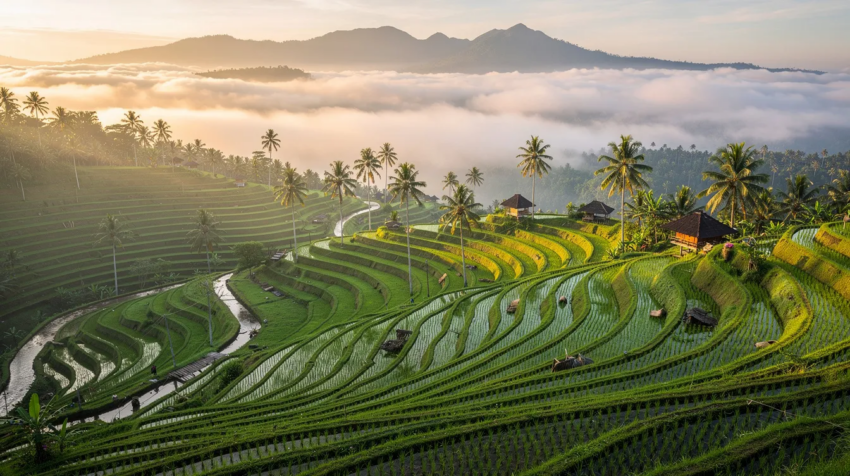
Bali is one of those rare travel destinations in southeast asia that genuinely delivers on the hype. The island features a blend of lush landscapes and rich culture that keeps travelers coming back year after year. Whether it’s your first trip or your fifth, bali offers a balance of culture and nature that few places on earth can match.
But here’s the thing – not every activity is created equal. The difference between a forgettable tourist trap and an unforgettable experience often comes down to knowing where to go, when to go, and what to prioritize. This guide covers the best things to do in bali based on real evaluation criteria, specific tour recommendations, and practical details you can actually use to plan your bali trip.
First-time visitors to Bali should mix cultural immersion with natural beauty. That’s exactly how I structured this list.
Read more: Best Things to Do in Bali: For Couples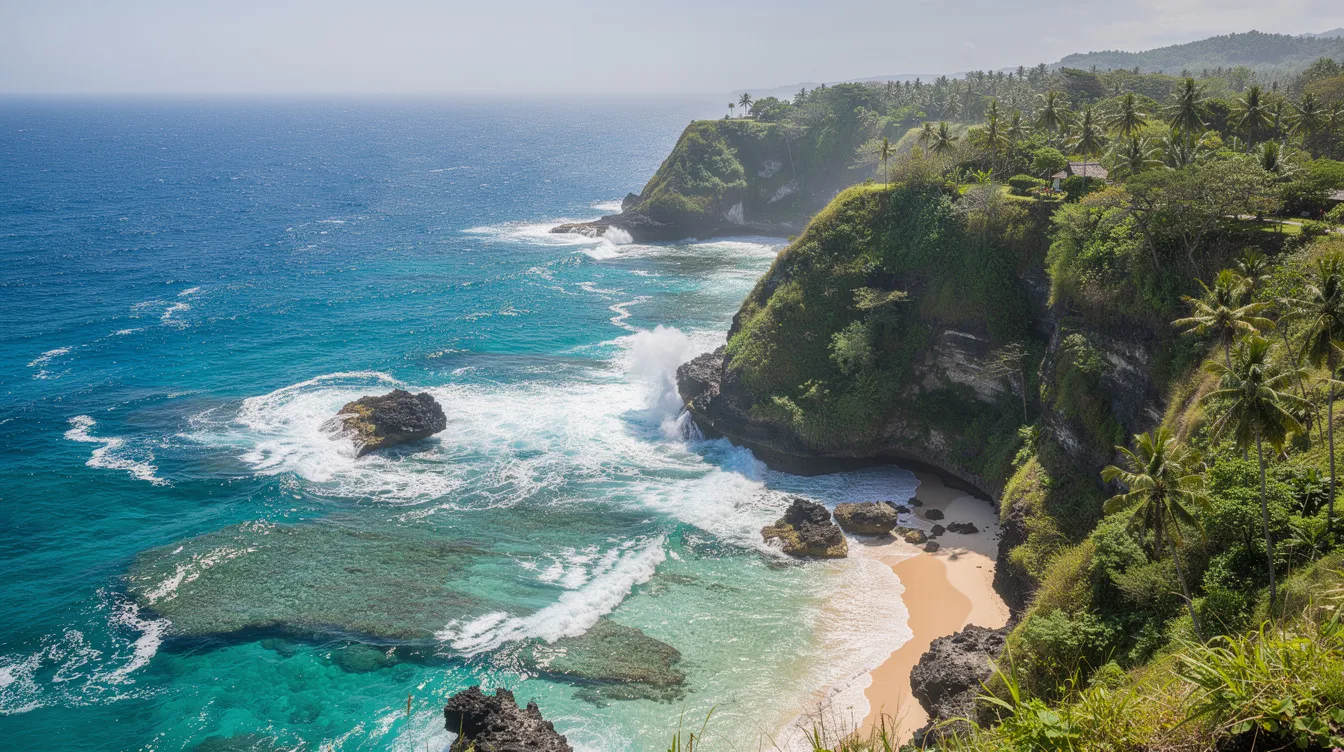
How I Chose the Best Bali Activities
Before we get into the list, a quick note on perspective. I’m not a party-scene traveler. My ideal trip looks more like catching morning waves with my wife, exploring temples before the crowds arrive, and finding a quiet café afterward. If you love bali for its nightclubs and pool parties, this probably isn’t your guide. If you love bali for its ocean, its food, its spirituality, and its landscapes, keep reading.
Here’s what I evaluated for each activity:
- Cultural authenticity – Does this activity genuinely connect you with local culture, or is it a tourist show?
- Accessibility – Can a beginner participate? How physically demanding is it? How much time does it require?
- Value for money – What do you actually get for your spend? Is the cost justified by the experience?
- Safety standards – Are guides certified? Is equipment well-maintained? Are risks transparent?
- Visual and emotional impact – Will you remember this in ten years?
I also weighed Bali’s seasonal considerations. The ideal dry season for outdoor activities in Bali is from May to October, and that window affects everything from wave quality to volcano visibility. Bali is a world-class surfing destination, but show up in the wrong month and you’ll spend more time watching rain than riding waves.
Whether you’re a solo traveler, a couple looking for memorable things to share, or simply someone who wants great value from every day spent on the island, these criteria shaped my personal picks.
Top 5 Things to Do in Bali
Read more: Best Things to Do in Bali: For Couples1. Take a Balinese Cooking Class
Most travelers eat their way through Bali without ever learning what makes the food so extraordinary. A Balinese cooking class changes that entirely.
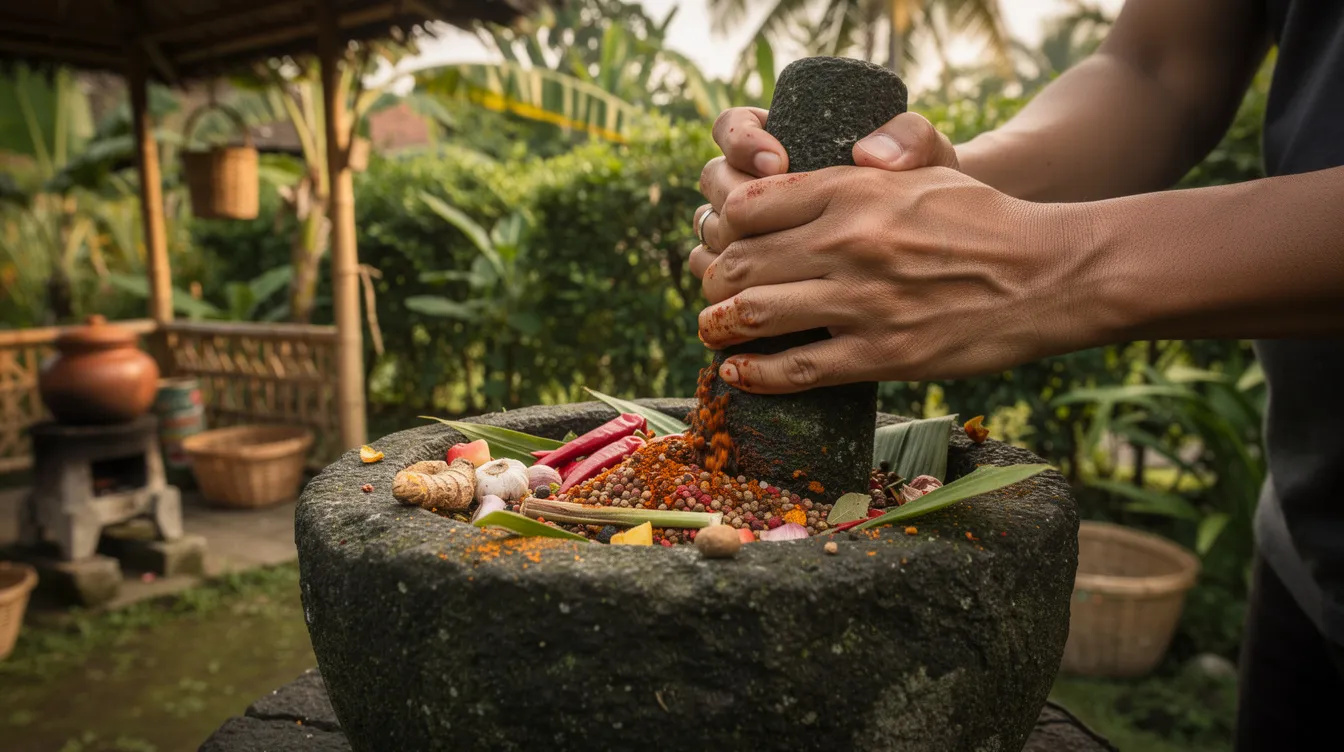
What sets these classes apart from cooking experiences elsewhere is the bumbu – complex spice pastes ground fresh by hand using mortar and pestle. Pastes like base gede, base genep, and base lelalah form the backbone of Balinese cuisine, and learning to build them from scratch gives you a skill you’ll use long after you leave the island.
What a typical class looks like:
Most classes start early, around 7-8 AM, with a guided walk through a traditional morning market. You’ll learn to identify galangal from ginger, pick out the best turmeric, and understand why specific ingredients carry both flavor and spiritual significance in Balinese ceremonies. Some classes include farm visits where you harvest herbs directly.
Balinese cooking classes teach up to 9 different dishes in a single session. You’ll prepare staples like sate lilit, lawar, sambal matah, and nasi goreng – all from scratch. Babi guling is a must-try dish in Bali, and some classes include their own version.
Recommended tour: The Taman Dukuh Morning Cooking Class with Traditional Market Visit in Ubud runs about 5.5 hours, covers six dishes with a farm visit, and costs approximately Rp 480,000 (~€25) including shuttle. For something more ambitious, Sa’Mesa offers 18 dishes for a set price of 590,000 IDR.
For delicious food beyond the classroom, private food tours in Denpasar cost around $60 per person, and night market tours in Ubud cost approximately $36 per person. Sukawati Art Market offers handcrafted souvenirs and batik fabrics if you want to combine a cooking day with local shopping.
Key strengths: Authentic ingredients, hands-on instruction from a local guide, recipe cards to take home, and a full meal at the end. My wife and i had a blast for sure, this is tops on my list for couples.
Possible limitations: Classes run 3-6 hours – it’s a full day event. Kitchens are hot and humid. Communicate dietary restrictions in advance; vegetarian and vegan options exist but may have less variety. Some afternoon classes feel rushed compared to morning sessions.
A cooking class is one of the few activities where you literally bring Bali home with you. The spice pastes you learn to make will transform your kitchen.
2. Explore Sacred Temples and Spiritual Sites
I love all things spiritual and this is one of them. Bali has thousands of sacred temples, but a handful stand dramatically above the rest – both in spiritual significance and sheer visual power.
Uluwatu Temple (Pura Luhur Uluwatu)
Uluwatu Temple dates back to the 11th century, built on a 70-meter limestone cliff overlooking the Indian Ocean. It serves as one of Bali’s directional temples, believed to guard the island against evil sea spirits. Around 650 macaque monkeys inhabit the surrounding forest – secure your sunglasses and anything shiny before entering.
The Kecak dance is performed daily at Uluwatu Temple at sunset, and it’s one of the most atmospheric cultural performances you’ll witness anywhere. Dozens of men chanting in concentric circles against a backdrop of ocean and fading light – it hits differently than watching a show indoors.
Mother Temple of Besakih
The largest temple complex in Bali is the Mother Temple of Besakih, a sprawling network of 23 interconnected temples and 86 shrines terraced across six levels on the slopes of mount agung. Besakih hosts at least 70 festivals per year, making it a living religious site rather than a museum.
Tanah Lot
Tanah Lot is famous for its offshore setting – a temple perched on a tidal rock formation that becomes isolated during high tide. It’s part of the same directional temple network as Uluwatu and is best visited at sunset.
Other beautiful temples worth visiting:
- Tirta Empul Temple is known for ancient cleansing rituals where visitors can participate in purification ceremonies
- The mountain temples region includes ulun danu beratan temple, which floats on a crater lake in north bali
- The Ubud Royal Palace hosts a nighttime Legong dance, and the Devdan Show showcases Balinese culture through dance and storytelling
Don’t overlook the sacred monkey forest sanctuary in Ubud, which houses over 1,200 long-tailed macaques. The ubud monkey forest is more than a wildlife attraction – it’s a living temple complex with ancient banyan trees and moss-covered statues. The monkey forest combines nature, spirituality, and wildlife in a way that’s uniquely Balinese. Where there are monkeys, you want to keep your belongings close to you(i had my cap taken & had to barter with the monkeys for it.
NOTE: Just bring a fruit or two but keep it inside your bag with you, in cases that you have your stuffs taken byt he monkeys you can use it to barter with time(yes it works)
Desa Panglipuran is noted as one of the cleanest villages in the world and offers a glimpse into traditional Balinese community life away from temple crowds.
Recommended tour: A guided Uluwatu evening tour with Kecak fire dance at sunset, or a full-day temple circuit combining Uluwatu, tanah lot temple, and Taman Ayun. Add Besakih if you’re heading east.
Practical notes: You must dress modestly – sarong and sash are required at all temples. Arrive early morning to avoid crowds and heat. Entrance fees are modest (Besakih ~Rp 60,000 for foreigners). Be aware that unofficial fee collectors have been reported at Besakih.
3. Learn to Surf at World-Class Beaches
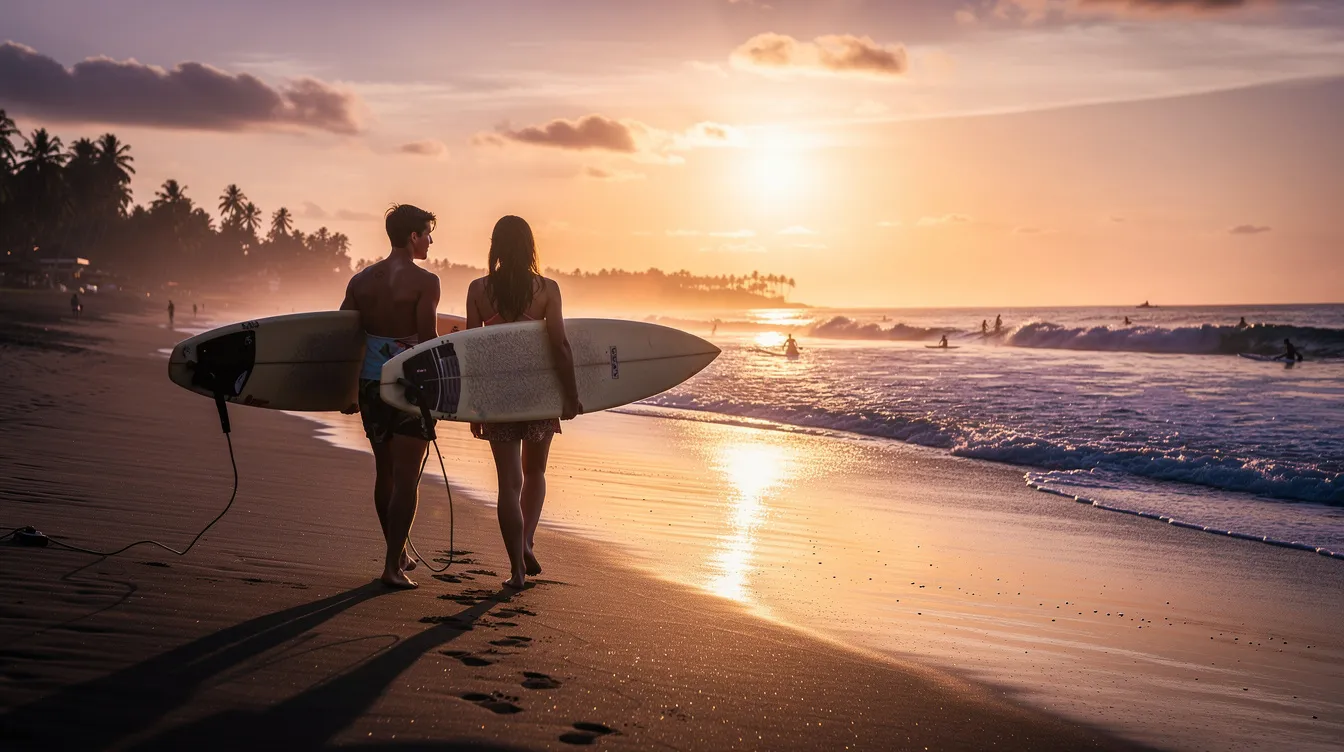
If you’re any kind of beach person(like me), Bali’s surf scene is non-negotiable. Surfing conditions are best from May to September, when offshore winds create clean, consistent waves across the southern coastline.
Beginner spots:
Surfing lessons are available for beginners in Kuta to Canggu (literally any beach), where soft sand bottoms and gentle beach breaks make learning forgiving. Kuta remains the classic starter – wide beach, manageable waves, plenty of schools. A 1-hour lesson at Harry Surf School in Kuta runs about Rp 250,000; two hours with board and coach approximately Rp 450,000.
Intermediate to advanced:
The Bukit Peninsula is where things get serious. The reef breaks at Uluwatu, bingin beach, balangan beach, and suluban beach are powerful, shaped by tides and coral bathymetry. These require solid board control and awareness of currents. Reef booties are strongly recommended.
Recommended tour: LP Surf School’s multi-day private surf lesson package at Dreamland and Padang Padang is excellent for progressing over several sessions. Private 2-hour lessons run approximately Rp 600-700,000. Semi-private and group options are available at lower price points.
Key strengths: Consistent waves, ISA-certified instructors available, soft-top boards for beginners, stunning coastal scenery. It’s so much fun to share the learning curve with a partner.
Possible limitations: Reef cuts are real at advanced spots. Crowds peak mid-morning at popular breaks. Dawn patrol (early morning) typically gives cleaner, less crowded waves. Strong currents require modest swimming ability even at beginner beaches.
Sanur is my favourite spot for surfing but beyond surfing, it is popular for its laid-back beach atmosphere if you want calmer water. If you’re a baller, Beach clubs like Finns in Canggu feature four pools and live music for post-surf relaxation, however every other beach bar along the coast offers cold drinks with ocean views. Nusa dua provides sheltered lagoon conditions for those wanting flat-water activities.
4. Hike Mount Batur for Sunrise Views
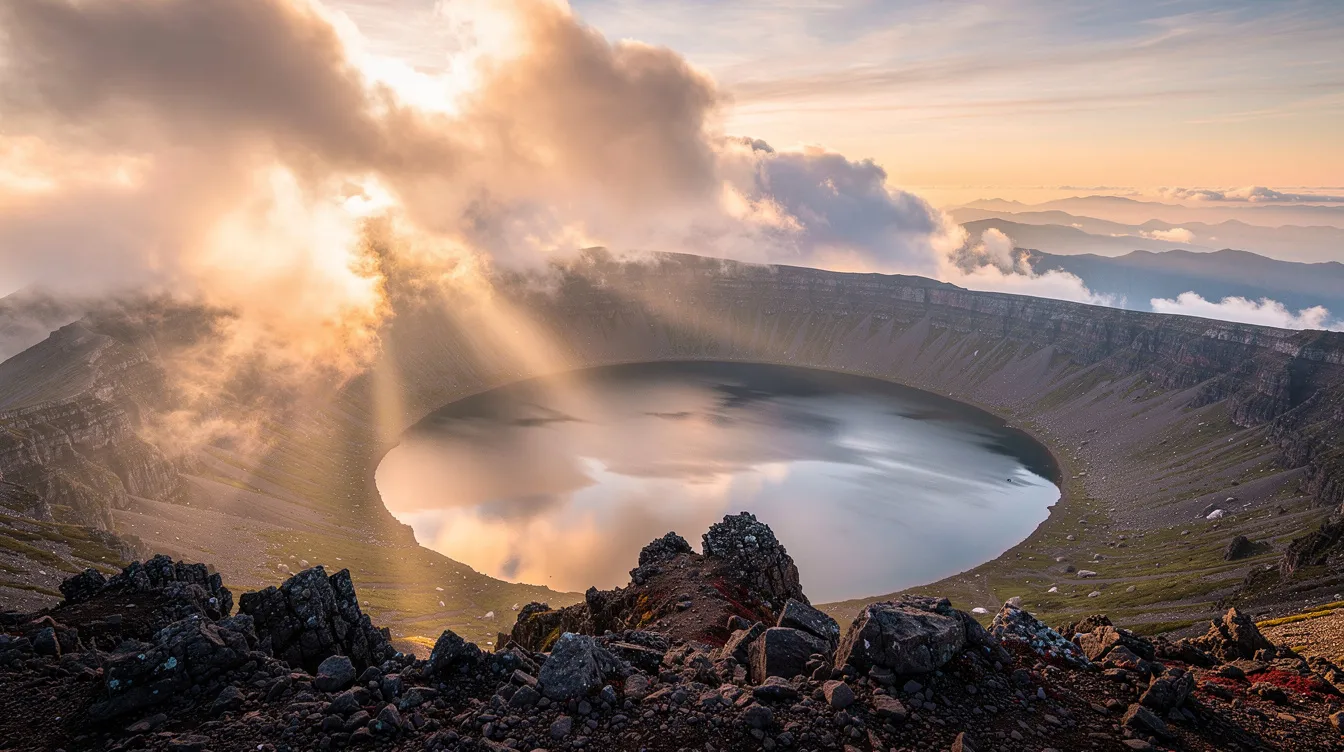
Mount Batur is a popular sunrise trekking destination, and for good reason. Standing on the rim of an active volcano at dawn, watching the sun rise above lake batur while clouds pool in the caldera below – it’s the kind of scene that stays with you.
The trek:
Mount Batur’s sunrise trek takes about 2-3 hours to complete, ascending from approximately 1,000 meters to the 1,717-meter summit through forest, volcanic rock, and lunar-like terrain. You’ll start around 2:30-3:00 AM to reach the top by sunrise (roughly 5:30-6:30 AM depending on season). Descent takes 1.5-2 hours.
What to expect physically:
Moderate fitness is required. The trail includes steep sections with loose volcanic ash and uneven ground. Temperature drops significantly at the summit – expect 5-10°C versus 20-25°C at the base. Bring layers, a headlamp, and sturdy footwear.
Recommended tour: Guided sunrise treks typically include hotel pickup around 2 AM, a local guide, and breakfast cooked using volcanic steam at the summit. Costs range from USD 40-80 depending on group size and pickup distance.
Key strengths: Achievable for most reasonably fit travelers, spectacular views on clear mornings, the novelty of eating breakfast on a volcano.
Possible limitations: The 2 AM wake-up is brutal. Weather dependency is real – the dry season (April to October) offers the best visibility. The wet season brings cloud cover and slippery paths. Volcanic activity can trigger temporary closures.
Other outdoor activities nearby:
If you’re already in the area, Ayung River Rafting offers white-water rafting through tropical scenery. Bali has numerous waterfalls, including Munduk and Banyumala in the highlands. Tegenungan Waterfall is easily accessible from Ubud and worth a half-day visit. Candidasa and Munduk Village offer quieter scenic areas to explore off the typical tourist circuit.
5. Discover Trendy Cafés and Local Coffee Culture
Bali’s café scene has evolved from basic tourist joints into something genuinely world-class. The island grows its own specialty-grade coffee – Kintamani Arabica, cultivated at 900-1,600 meters in the volcanic highlands – with a flavor profile of clean citrus acidity and floral notes.
Where to go:
- Canggu: Crate Café (generous brunch portions), Sensorium, and Openhouse Café in Pererenan offer design-forward spaces popular with digital nomads. WiFi is strong, power outlets plentiful, and the atmosphere encourages lingering.
- Ubud: Milk & Madu is family-friendly with a kids’ play area. Seniman Coffee Studio is serious about single-origin roasts. Suka Espresso keeps things clean and unpretentious. Ubud is known for its lush rice fields and temples, and many cafés here frame those views beautifully.
You can visit a coffee plantation in the highlands to see the full bean-to-cup process, which adds context to every espresso afterward.
Costs: Coffee runs IDR 35,000-55,000 (~US$2-3.50). Smoothies IDR 45,000-75,000. Brunch plates from IDR 65,000-120,000.
Wellness connections:
Ubud is Bali’s spiritual center for yoga activities, and the café culture overlaps heavily with the wellness scene. The Yoga Barn offers up to 20 yoga classes daily, and yoga studios are widely available throughout Bali, especially in Ubud. Many yoga retreats include café-hopping in their itineraries. Balinese massages start at around 150,000 IDR ($10 USD), and spa treatments in Bali often use traditional Balinese techniques – perfect for recovery after a surf session or volcano hike. You can stay connected to your wellness routine without sacrificing the travel experience.
Key strengths: Relaxed downtime between active days, excellent health-focused menus, chance to observe local daily life and rituals.
Possible limitations: Some cafés lean heavily into Instagram aesthetics over substance. Peak hours (8-11 AM, 3-5 PM) get crowded. Prices are higher than local warungs.
As youa re still readin gthis, i will give you an added bonus to read about one more things to do in bali!
6. Visit Iconic Rice Terraces
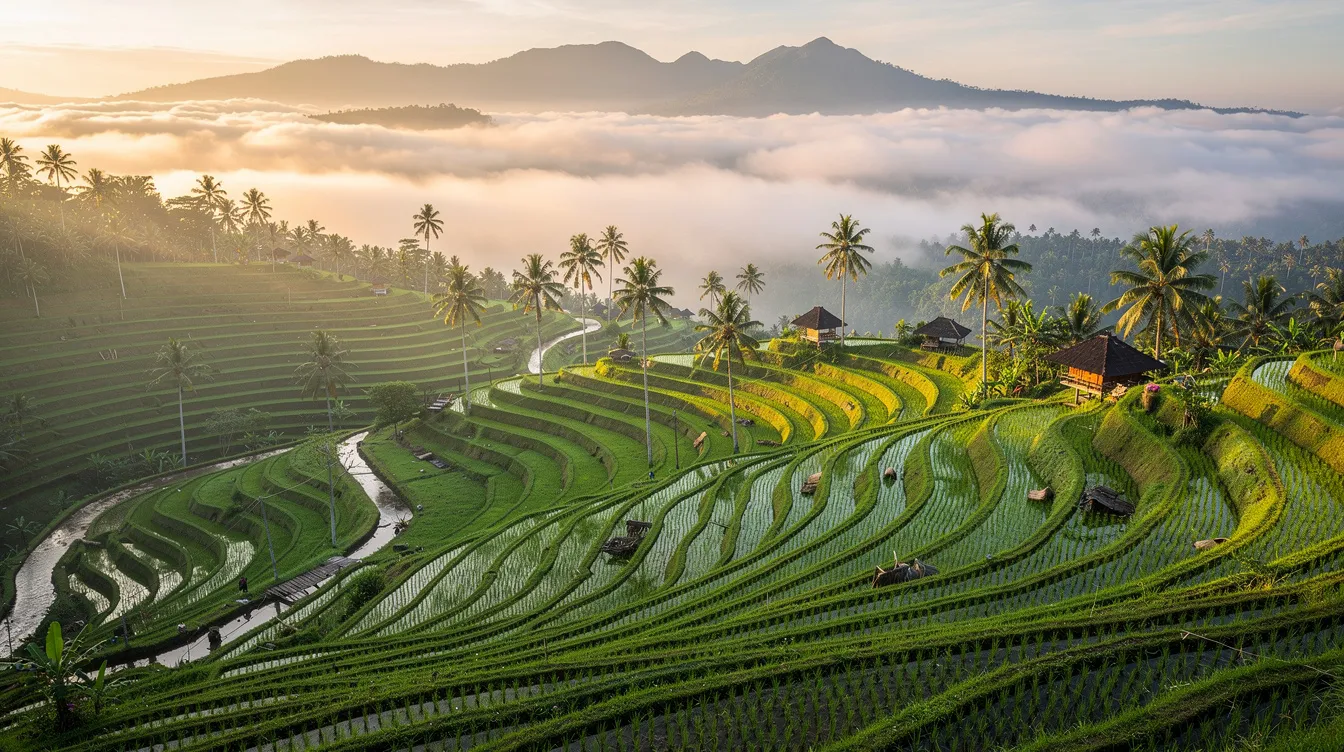
No trip to visit Bali is complete without standing in front of cascading rice paddies that seem to stretch into infinity. The Tegallalang rice terraces are a UNESCO-listed landscape and the most photographed terraces on the island, located about 20 minutes north of Ubud.
Tegallalang:
The ceking rice terrace viewpoints along the road offer easy access – you can see the terraces from your vehicle. But walking down into them, following narrow paths between the paddies, is where the real experience lives. The beautiful rice terraces here are maintained using the traditional Subak irrigation system, a centuries-old cooperative water management practice.
Jatiluwih:
For something more expansive and less crowded, Jatiluwih rice terraces in Tabanan Regency are part of the same UNESCO World Heritage designation. They sit at 700-800 meters elevation, covering far more area than Tegallalang. The Subak system here embodies Tri Hita Karana – the Balinese philosophy connecting humans, gods, and nature.
Tegalalang Rice Terraces are a UNESCO-listed landscape in Bali that represents not just agriculture but a complete worldview.
Recommended experience: A guided walk through Jatiluwih with a Subak farmer guide, or a cycling tour through Tegallalang and the surrounding villages. Both get you off the beaten path and into the working landscape.
Key strengths: Iconic photography, gentle physical demands, deep cultural significance, relatively inexpensive.
Possible limitations: Tegallalang’s main viewpoints are commercialized with crowded selfie spots. Terraces can look patchy after harvest season. Muddy paths after rain. Early morning light is best for photography.
Quick Comparison of the Best Bali Activities
Activity | Best For | Time Required | Difficulty | Season | Approx. Cost |
|---|---|---|---|---|---|
Cooking Class | Food lovers, couples | 3-5.5 hours | Easy | Year-round | Rp 350,000-600,000 |
Temple Exploration | Culture seekers, photographers | Half to full day | Easy-moderate | Year-round | Rp 30,000-60,000 entry |
Surfing | Adventure seekers, water lovers | 2+ hours per session | Easy-advanced | May-September best | Rp 250,000-700,000/lesson |
Mount Batur Hike | Active travelers | 5-6 hours (incl. transit) | Moderate | April-October | USD 40-80 guided |
Café Culture | Digital nomads, coffee lovers | Flexible | Easy | Year-round | IDR 35,000-120,000 |
Rice Terraces | Nature lovers, photographers | 2-4 hours | Easy | April-October | Small entrance fees |
Beyond our top 6 – other fun things worth your time:
If you have extra days, consider a day trip to nusa penida, a stunning island off bali’s east coast known for its dramatic cliffs and beaches. Nusa Penida features the famous kelingking beach cliff, and snorkeling in Nusa Penida or Amed is highly recommended. A short boat ride from Sanur gets you there. Nusa Penida is known for snorkeling with manta rays, and the marine life around broken beach and blue lagoon is remarkable. You might even spot sea turtles in the shallows.
For great diving, bali’s east coast has excellent scuba diving spots, including the USS Liberty wreck – a famous dive site in Bali. Nusa lembongan offers calmer waters and snorkeling. If you’re considering island hopping further afield, the gili islands (including gili air) provide excellent diving and a car-free atmosphere, making them secret spots that reward the effort of getting there.
How to Choose the Right Bali Activities
Choose Based on Your Fitness Level
Physical demands vary significantly across these activities. Cooking and café visits require minimal fitness. Rice terrace walks involve gentle slopes and uneven footing. Surfing demands swimming ability, upper body endurance, and comfort in ocean currents. The Mount Batur hike requires cardiovascular fitness for sustained uphill effort at altitude, plus the ability to handle uneven volcanic terrain in the dark.
If you’re recovering from an injury or managing joint issues, prioritise cooking, temples, and café culture first. Add surfing and hiking only if your body is ready for the demands.
Temple visits fall in the middle – mostly walking, some stairs, and potentially uneven ground. The heat is the main physical challenge.
Choose Based on Your Time in Bali
3-5 days: Focus on one area. Base in Ubud for cooking, temples, rice terraces, and cafés. Or base in the Bukit Peninsula for surfing, Uluwatu Temple, and beach days.
7-10 days: You can cover all six activities comfortably. Add a day trip to Nusa Penida for cliffs and snorkeling with manta rays. Consider a scuba diving excursion on the east coast.
Two weeks or more: Go deeper. Explore north bali, visit the mountain temples, take a multi-day surf progression course, and venture to Amed for quieter diving. This is when you discover the hidden gems and secret spots that define a truly immersive stay in bali.
Which Activities Are Best for You?
Here’s how to decide before you visit Bali:
- You want to learn something permanent: Become a Balinese chef! The skills transfer directly to your home kitchen.
- You want physical challenge with a payoff: Hike Mount Batur. The sunrise views reward every steep step.
- You want a new sport or to improve existing skills: Surf. Bali’s wave variety means there’s always a break that matches your level.
- You want spiritual and historical depth: Explore the temples. Uluwatu at sunset, Besakih on mount agung’s slopes, and the sacred monkey forest sanctuary each offer distinct dimensions of Balinese spirituality.
- You want relaxation with quality: Hit the cafés. Kintamani coffee, healthy food, and open-air design create an amazing place to recharge.
- You want pure visual beauty: Walk the rice terraces. The beautiful rice terraces of Tegallalang and Jatiluwih are worth visiting on any trip.
Combine three or four of these across a week, and you’ll have an experience that covers culture, adventure, nature, and rest. Nusa Penida is famous for its rugged natural attractions and makes an excellent addition if time allows.
Final Thoughts
Things to do in Bali isn’t one day thing. It’s an island where you can paddle into a wave at dawn, grind spice paste by hand at noon, watch a fire dance on a cliff at sunset, and fall asleep to the sound of frogs in the rice paddies – all in the same day. That range is what makes it an amazing place and why so many people love Bali enough to return again and again.
The best approach is to resist the urge to do everything. Pick activities that match your fitness, your interests, and your pace. If this is your first trip, mix cultural immersion with natural beauty and leave room for unplanned moments. If you’re returning, go deeper – further east, further north, further off the beaten path.
Bali rewards intention. Choose your experiences deliberately, prepare your body for the active ones, and let the island do the rest. It’s the kind of place that changes not just your vacation but how you approach movement, food, and stillness long after you get home. All the best with your trip!
