
Introduction: Heel Pain, Plantar Fasciitis and Why Early Treatment Matters
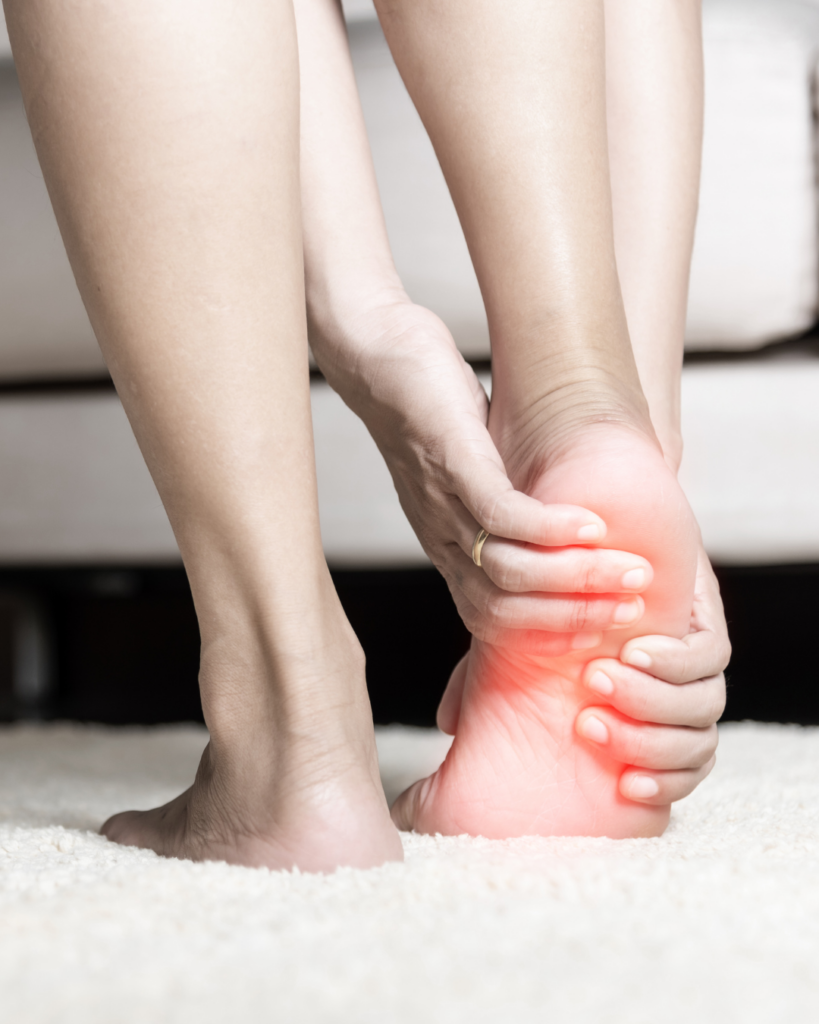
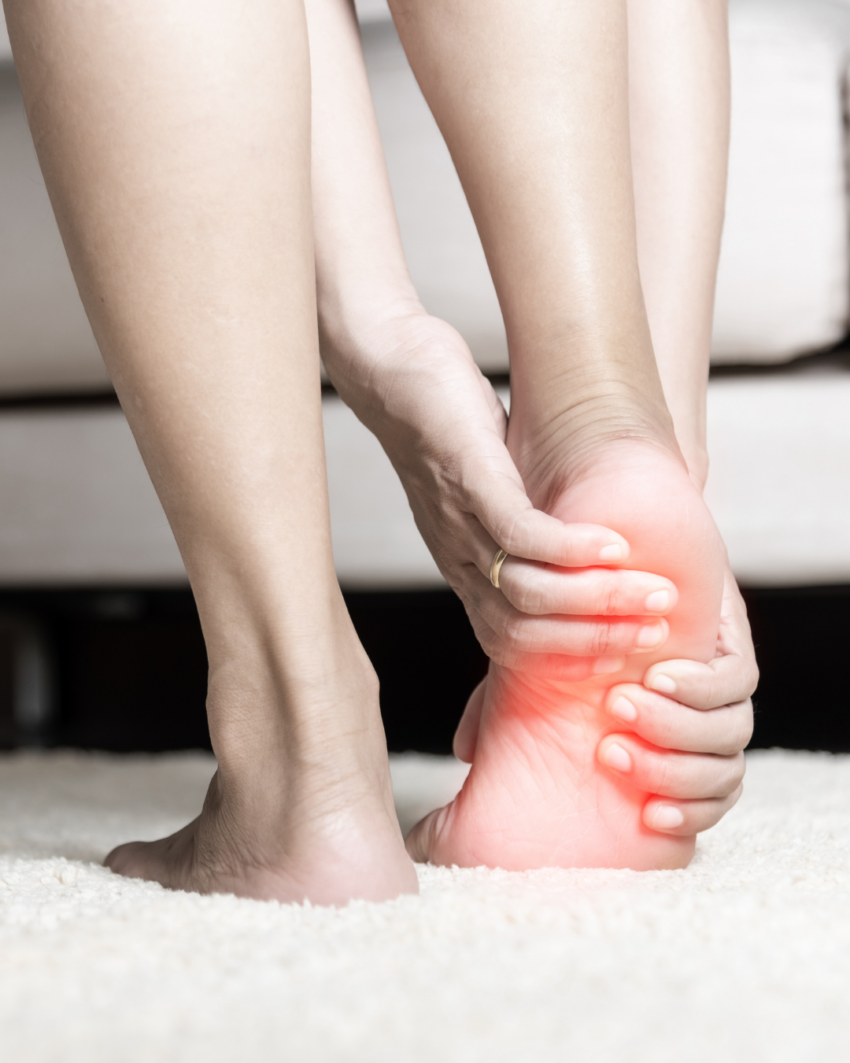
If you have ever taken your first steps out of bed and felt a sharp, stabbing pain under your heel, you already know how plantar fasciitis can disrupt your day before it even starts. Plantar fasciitis involves heel and arch pain from inflammation and degeneration of tissue under the foot, and it is one of the most common reasons adults in Singapore visit a foot specialist for foot pain.
Plantar fasciitis affects around 10% of people in their lifetime. The good news is that most cases improve within several months with non-surgical treatments when you catch it early. Early treatment – through safe, structured exercise, footwear changes, and sports medicine guidance – can relieve plantar fasciitis pain and prevent it from becoming a chronic problem if not left untreated.
At MSMC, a sports medicine fitness studio in Singapore, we help people manage heel pain through personalised injury rehabilitation, exercise science, and recovery services. This guide will walk you through what plantar fasciitis is, why it happens, what you can do at home starting this week, how exercise helps both short and long term, and when to seek professional care.
What Is Plantar Fasciitis and What Does It Feel Like?
The plantar fascia is a thick band of tissue that runs along the bottom of your foot, connecting your heel bone to your toes. It creates the arch of the foot and works like a shock absorber every time you walk, run, or stand. When this tissue is overloaded through repetitive stress, tiny tears develop at its attachment point near the heel. Over time, this repetitive strain leads to microtears in the plantar fascia, causing it to thicken, stiffen, and become painful.
So what does plantar fasciitis feel like? Most people describe it as a stabbing pain right under the inner side of the heel. Morning stiffness is the hallmark – you feel pain with your very first steps, and it may ease slightly after moving around. But after prolonged standing, walking through malls, climbing stairs, or sitting for long periods and then getting up again, the pain returns. Some describe it as feeling like the heel is bruised on a stone, or like a tight rubber band pulling under the foot.
It is worth knowing that a heel spur – a small bony growth – often shows up on X-rays of people with plantar fasciitis. Up to 70–75% of patients with heel pain have bone spurs visible on imaging. However, many people with heel spurs have no pain at all, so the spur itself is usually not the true source of your symptoms of plantar fasciitis.
Plantar fasciitis pain is different from nerve pain or arthritis. The tenderness is usually focused on one specific spot under the inner heel, not radiating into the toes with numbness or burning. Imaging tests like X-ray, ultrasound, or MRI are often not needed at first, but your doctor may use them to rule out a stress fracture or other causes of persistent pain if your symptoms are unusual or not improving.
Common Causes and Risk Factors: Why Your Heel Started Hurting
Your plantar fascia can only handle so much load before it starts to break down. Understanding what pushed it past that threshold is the first step toward fixing it.
Here are the most common reasons your heel started hurting:
- Sudden changes in activity: Jumping back into running after a long break, ramping up mileage too fast, starting a new HIIT program, or spending a full day walking at a trade show or event
- Prolonged standing on hard surfaces: Long shifts in retail, F&B, healthcare, or teaching – especially on concrete or polished floors
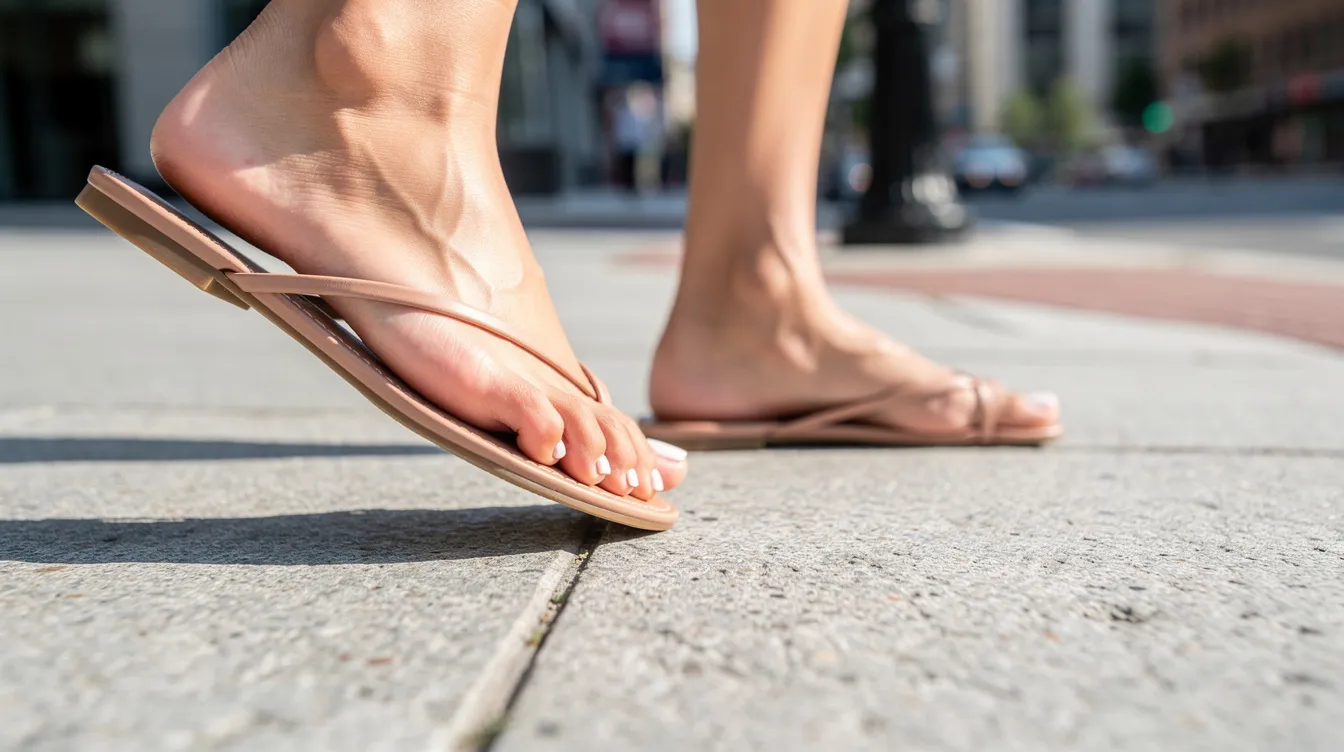
- Poor footwear choices: Wearing flat shoes, thin slippers, or flip flops with no support; this is especially common in Singapore where many people walk barefoot at home or wear minimal sandals daily
- Physical factors: Having flat feet or very high arches, tight calf muscles, a tight achilles tendon, reduced ankle mobility, or weak lower leg muscles and hip stabilisers
- Body weight: Being overweight increases the risk of developing plantar fasciitis because more force passes through the plantar fascia with every step. Pregnancy increases the risk of plantar fasciitis due to weight gain and hormonal changes that loosen ligaments.
- Age: The condition is most common between ages 30 and 60, though age between 40 and 70 years is a peak risk factor for plantar fasciitis according to published guidelines. Flatfoot can also contribute to the development of plantar fasciitis at any age.
A 2024 Singapore consensus guideline confirmed that these risk factors – especially footwear, prolonged standing, training errors, and tight achilles tendon – are the main drivers behind plantar heel pain locally.
When Should You Worry? Symptoms That Need Attention
Typical plantar fasciitis symptoms include:
- Focal heel pain on the inner underside of the heel, worst with first steps after rest
- Stiffness and aching along the arch of the foot after sitting or sleeping
- Increased pain after long days on your feet, climbing stairs, or exercise
- Pain that eases during activity but flares up afterward
See a doctor promptly if you notice any of these red flags:
- Significant swelling, redness, or warmth around the heel
- Fever or feeling unwell alongside foot pain
- Heel pain after a fall, twist, or direct trauma
- Pain that wakes you at night or does not ease with rest
- Numbness, tingling, or burning into the toes
- Unexpected weight loss alongside persistent pain
If your heel pain lasts more than a week or two, keeps coming back, or makes it hard to walk, run, or stand at work, do not ignore it. Early assessment by a physical therapist or sports medicine professional helps shorten recovery and prevent the pain from becoming chronic – which can lead to altered walking patterns and secondary knee, hip, or back issues from putting pressure on other joints to compensate.
Home Treatment: First Steps to Reduce Plantar Fasciitis Pain This Week
You do not need to wait for an appointment to start helping your heel. Here is a simple plan to reduce pain and protect the healing process this week:
Step 1: Rest and modify activity. Resting the foot can relieve plantar fasciitis symptoms significantly. Resting and modifying high-impact activities – like running, jumping, and long walks – can aid in the treatment of plantar fasciitis. Swap to low-impact options such as cycling, swimming, or an elliptical if pain allows, and consider how different stretch therapy approaches like Fascial vs Functional Stretch Therapy might support your recovery as load increases again.
Step 2: Use ice therapy. Roll the bottom of your foot over a frozen water bottle for 10–15 minutes, two to three times daily. This simple ice therapy technique can reduce inflammation and provide short term relief from that deep aching sensation.
Step 3: Fix your footwear immediately. Avoid walking barefoot on hard surfaces – this is one of the most common mistakes people make at home. Wearing supportive footwear with good arch support helps in managing plantar fasciitis even indoors. Shoes with a slight heel lift reduce tension on the plantar fascia, and supportive shoes prevent worsening of plantar fasciitis symptoms. Ditch the flat shoes, thin slippers, and flip flops. Proper footwear provides adequate arch support and makes a real difference.
Step 4: Try night splints. Using night splints may help alleviate morning pain associated with plantar fasciitis by holding your foot in a gently stretched position while you sleep. This helps reduce that brutal first-step pain.
Step 5: Do not push through sharp pain. If an activity causes sharp plantar fasciitis pain, stop. Pushing through does not speed up recovery – it delays the healing process and increases the chance you will need more invasive treatments later.
Strengthening Exercises

Exercises should focus on strengthening surrounding foot muscles and the entire lower leg:
- Towel scrunches: Place a towel flat on the floor and scrunch it toward you using only your toes. This trains the small intrinsic muscles that support your arch.
- Heel raises: Stand on a step with your heels hanging off the edge. Slowly rise up, then lower down below the step level. This helps strengthen lower leg muscles – particularly the calves – and gradually loads the plantar fascia to stimulate healing.
- Hip and glute bridges: Weak hips change how force travels through your leg and foot. Simple glute bridges and side-lying leg raises improve alignment from the ground up.
Consistent stretching and strengthening exercises are key for long-term recovery from plantar fasciitis. These exercises reduce recurrence risk, improve balance and performance, and help you return safely to walking, running, and sports. Functional Stretch Therapy for pain relief and mobility can further support these goals when integrated with your exercise plan. If any exercise causes sharp or worsening pain, back off and adjust – the goal is to reduce stress on the tissue, not aggravate it. For guided stretching with professional oversight, a comparison of Dr Stretch and Fascial Stretch Therapy can help you understand how fascial stretch therapy can be a valuable complement to your home routine.
Professional Treatment Options: From Physical Therapy to Advanced Procedures
Around 80–90% of plantar fasciitis cases improve with non-surgical treatments within about 6–12 months, and many people feel significantly better much sooner with structured care. If home exercises alone are not enough, here is what a professional treatment pathway looks like.
Physical Therapy and Sports Medicine Assessment
In a physical therapy or sports medicine session, expect a thorough assessment: your gait, foot anatomy, ankle and hip mobility, calf and foot strength, and your training load or work demands. From there, you receive a tailored plan that may include manual therapy, myofascial release to break up scar tissue, athletic taping to distribute pressure evenly across the foot, and progressive loading exercises designed to stimulate healing in the damaged tissue.
Orthotic inserts can redistribute pressure and reduce stress on the plantar fascia. Custom orthotics provide long-term relief for plantar fasciitis by helping to relieve heel pressure and correct alignment. They offer extra arch support and are especially useful for people with flat feet or recurring symptoms. A leading personal training gym in Singapore with a personal trainer with injury rehabilitation experience can also guide you through safe return-to-activity progressions.
Advanced Treatments
When symptoms persist despite consistent stretching, load management, and physical therapy, several advanced treatments are available:
- Extracorporeal shock wave therapy (ESWT): Extracorporeal shockwave therapy is an option for persistent plantar fasciitis symptoms. Shockwave therapy uses acoustic sound waves for healing – it promotes tissue regeneration and increases blood flow to the damaged area. Patients may require several sessions of shockwave therapy, but research shows shockwave therapy can improve symptoms by up to 60%, making it one of the most consistently effective treatments across both short and long timeframes. Shockwave therapy can improve symptoms in 60% of patients overall.
- Steroid injections: Corticosteroid injections offer short term relief for plantar fasciitis, especially when pain is severe. However, they carry risks including fat pad weakening and do not address the underlying mechanical cause. They are not a long-term solution.
- Other options: Night splints, low-level laser therapy, and a walking boot for temporary offloading may all play a role depending on your case.
Medicines and Imaging
Short-term use of NSAIDs or topical anti-inflammatory gels can help reduce inflammation and reduce pain, but they do not fix the biomechanical issues driving the problem. Imaging tests – X-ray, ultrasound, or MRI – are used when needed to confirm diagnosis, check plantar fascia thickness, or rule out a stress fracture and other causes of heel pain.
When Surgery Is Considered
Plantar fasciitis surgery is a last resort. Surgery is reserved for cases unresponsive after six to twelve months of structured conservative treatment. Plantar fasciotomy is a common surgical procedure, and endoscopic techniques are used for minimally invasive plantar fasciitis surgery. Surgical options aim to release tension in the plantar fascia – a procedure sometimes called plantar fascial release. However, there is no consensus on the best surgical procedure for plantar fasciitis among orthopaedic surgeons, and recovery from surgical procedures or ankle surgery in the area typically takes 6–10 weeks or longer. Surgical intervention is only discussed when all other avenues have been exhausted.
How MSMC Helps: Sports Medicine, Exercise & Mindfulness for Plantar Fasciitis
At MSMC, recognised as one of the best fitness studios in Singapore, we approach plantar fasciitis treatment the way it should be done: with a blend of sports medicine expertise, exercise science, and recovery support that keeps you moving safely rather than sitting on the sidelines.
Our typical process starts with a comprehensive assessment of your movement patterns, strength, footwear, and training or work demands. We explain your diagnosis in plain language so you understand exactly what is happening and why. From there, we build an individualised treatment plan that targets the root cause – not just the symptoms, drawing on insights from our review of Doctor Stretch, Functional, & Fascial Stretch Therapy to match you with the most suitable recovery modalities.
Our services relevant to plantar fasciitis include injury rehabilitation sessions with supervised strengthening programs, mobility and stretching classes, dedicated stretch therapy services in Singapore, recovery modalities like ice bath therapy and myofascial work, plus breathwork sessions to help manage pain perception and reduce stress – which can genuinely influence how you experience persistent pain.
Whether you are a weekend runner, an office worker dealing with prolonged periods on your feet, or a corporate client looking to reduce staff absenteeism from musculoskeletal issues, MSMC provides clear return-to-running and return-to-sport progressions built around your goals. We focus on keeping people active and progressing safely, maintaining a healthy weight, and building long-term resilience against injury, while also offering fitness and health courses for professionals who want to deepen their understanding of movement and rehabilitation.

Prevention and Long-Term Management: Keeping Heel Pain from Coming Back
Once your heel pain improves, the work is not done. The habits that got you here can bring it back if you let them slide.
Key long-term habits to prevent recurrence:
- Continue consistent stretching of your calves and plantar fascia – even when pain-free. Regular stretching enhances flexibility and keeps that tissue resilient.
- Maintain strength in your foot, calf, and hip muscles through exercises like heel raises, towel scrunches, and glute work
- Stick with supportive footwear that provides good arch support at work, during exercise, and at home
- Maintain a healthy weight to reduce load on the plantar fascia with every step
Returning to higher-impact activities:
Progress back into running, court sports, or HIIT using a gradual approach – increase distance or intensity by no more than 10% per week. Listen for early warning signs: if slight heel soreness reappears, reduce impact for a few days, restart daily stretches, use ice therapy, and consider self-massage with a foam roller or ball.
With the right plan and support, plantar fasciitis does not have to stop you from walking, working, or training. If you want a guided recovery and prevention plan tailored to your life, reach out to MSMC to start your journey back to pain-free movement.
Frequently Asked Questions About Plantar Fasciitis Treatment
How long does plantar fasciitis take to heal? Many people feel noticeable improvement within a few weeks with proper home care. However, full tissue healing often takes two to three months. Long-standing cases – where symptoms have been present for six months or more – may need six or more months of structured rehab. The timeline depends on how early you start treatment and how consistently you follow your stretching, strengthening, and load management plan.
Can I keep exercising with plantar fasciitis? Yes, but you need to modify. Avoid activities that cause sharp or increased pain – especially running on hard surfaces, jumping, or prolonged periods of standing. Low-impact exercise like cycling, swimming, or reformer classes are usually well tolerated and help you stay active during recovery.
What happens if plantar fasciitis is left untreated? If left untreated, plantar fasciitis can become chronic, meaning the tissue undergoes long-term degenerative changes that are much harder to reverse. You may also develop compensatory issues in your knees, hips, or lower back from altered walking patterns caused by trying to avoid putting pressure on the painful heel, and in some cases even nerve-related conditions such as sciatica caused by poor posture and movement patterns.
Do I really need surgery? Almost certainly not. Surgery is reserved for cases unresponsive after six to twelve months of conservative treatment. This means most people never need it. Plantar fasciotomy and endoscopic release are options for the small percentage of patients who do not respond to physical therapy, shockwave therapy, exercise, and other non-surgical approaches.
Are heel spurs causing my pain? Probably not. Heel spurs are common on X-rays of people with and without heel pain. The spur itself is usually a sign of long-term stress on the plantar fascia, not the direct source of pain. Treatment focuses on the fascial tissue and biomechanics, not the spur.
When should I see a professional? If your heel pain persists beyond one to two weeks despite home care, worsens, or affects your ability to work, care for your family, or train for events, it is time to get assessed. A physical therapist or sports medicine professional can identify the specific drivers of your pain and build a plan to get you back on track.
Ready to start your recovery? Book an assessment at MSMC or speak with our team for personalised plantar fasciitis treatment that blends exercise science, rehabilitation, and recovery – all under one roof.
