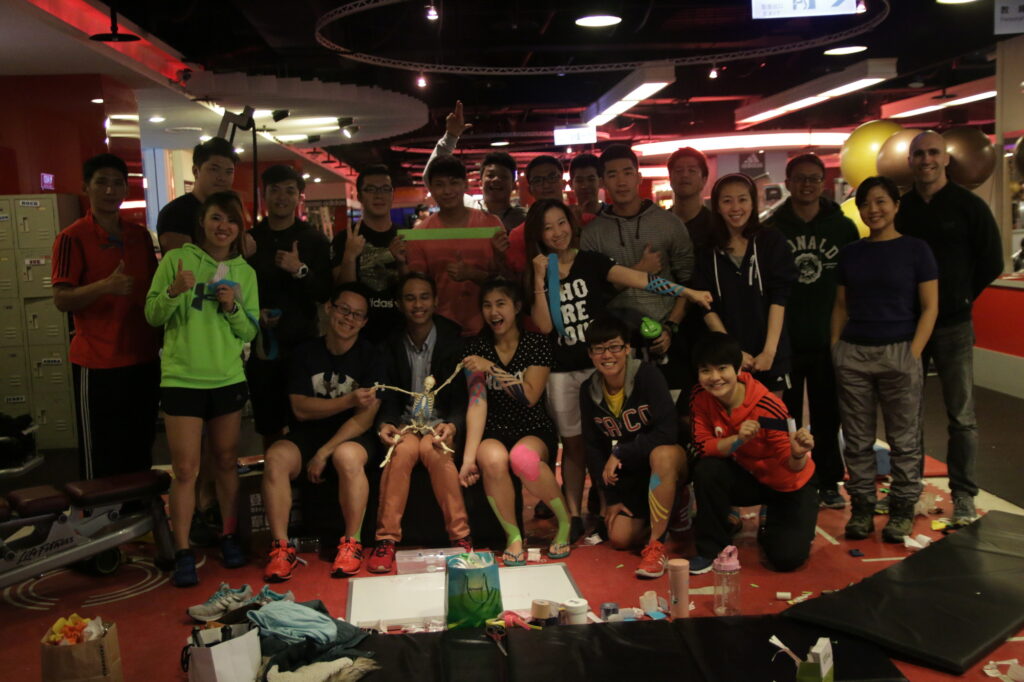
The best certifications for personal trainers to add after a PT cert are the ones that match the clients you already see: a hands-on skill for aches & recovery (kinesiology taping, IASTM or cupping), a strength tool you’ll use every day (kettlebells), a mobility skill (assisted stretching), and later, a longer sports medicine pathway. My honest order for most trainers is taping first, kettlebells second, then stretch therapy or a soft tissue tool, depending on your clients. Skip anything you won’t use every week. This matters because the right specialist skill helps you keep clients longer, & lets you help the people other trainers turn away.
By Jab, founder of the Integrated Training Institute (ITI) & Movement & Sports Medicine Centre (MSMC) in Singapore. Last updated 21 November 2026.
Key facts: my shortlist after a PT cert
- Start here: Kinesiology Taping Clinic, 14 hours over 2 days, no prerequisites
- Strength: Certified Kettlebell Coach (CKC) Level 1, 16 hours over 2 days, no prerequisites, with a separate coaching test
- Mobility: Functional Stretch Therapy (F.S.T), 4 modules, anatomy landmarks tested
- Soft tissue: IASTM Clinic (16 hours) or Cupping Therapy Clinic (14-20 hours)
- Training method: BFR certification, 14 hours over 2 days, no prerequisites
- Breathing: BreathEra®: Certified Breathing for Performance & Wellness
- The long pathway: ITI’s Sports Medicine Trainer certificate, currently an invite-only intern intake
- Course information: dates & fees are on each ITI course page

Why I’m biased, and why you should still read this
I started as a personal trainer. More than 20 years later I’ve coached & taught thousands of people, and in 2010 I founded ITI to train fitness professionals & therapists. Every course on this list is one ITI runs, so I’m not neutral. What I can give you is an honest view of which certification makes a difference to a trainer’s week, and which ones end up as paper on a wall.
I’ve worked in the fitness industry for more than 20 years, in gyms, studios & my own sports medicine centre, & I’ve watched many certified personal trainers collect courses & stay stuck. The ones who build a lasting fitness career pick skills that match their clients, practise them until they’re good, & tell clients clearly what they can help with. That’s what this list is built on. If you’re interested in a long fitness career rather than a quick extra certificate, read on. In a world full of online courses & weekend certificates, choosing well matters more than collecting more.
First: is your certified personal training qualification enough?
Your first personal trainer certification gives you the fundamentals: exercise science, the human body, programme design, basic nutrition principles & how to coach safely. Most base certifications assess you with a written exam, often multiple choice, & many add a practical assessment. The entry bar is often low: many only ask for a high school diploma or equivalent, plus CPR. It’s the licence to start in the fitness industry, not the finish line. A good trainer certification gives employers a reason to trust you, & gives you the confidence to coach. Before you add anything, check four things:
- Is it accepted where you want to work? Fitness employers each have their own list of certifying agencies they accept. Ask the gym before you pay for a personal training course, not after.
- Are your CPR & AED current? Many employers ask for them, & they matter more than any specialist certificate.
- Do you have liability insurance coverage? Especially if you train clients privately or outdoors. Add it before you add hands-on skills.
- Is it accredited, & how do you renew it? Ask whether your personal training certification is independently accredited, & what continuing education it needs to stay current. Many base certifications ask for continuing education credits every couple of years, so plan your specialist courses around that.
Then look at your clients. Who do you see most? Office workers with stiff backs, older clients, runners, athletes, people coming back from injury? The best continuing education for you is the one that helps those people. Specialising in a group, such as older adults or people after injury, is one of the clearest ways to stand out in a crowded health & fitness market.
What your personal trainer certification should already give you
Before you add a specialist certification, be honest about your base. A specialist course builds on your personal trainer certification; it can’t fill the gaps in it. In my experience, the certified personal trainers who get the most from extra courses already have solid knowledge in five areas:
- Exercise technique & exercise selection: you can coach a squat, hinge, push, pull & carry, and change an exercise for the person in front of you.
- Exercise science & anatomy: enough knowledge of the human body to name the main muscles & joints & explain what an exercise does.
- Screening & health: you ask about health history, know when to refer a person to a doctor, & keep your CPR & AED current.
- Nutrition within your scope: general healthy eating guidance, not meal plans for medical conditions.
- Coaching & business basics: how to communicate, set fitness goals with clients & run your personal training business.
If any of these feel shaky, spend your next year getting better at them with real clients. That’s the cheapest continuing education in the fitness industry, & the one that pays off in every session.
What a specialist certification does for your fitness career
A personal trainer certification gets you into the fitness industry. Specialist education is what shapes the rest of your fitness career. In my experience, the right certification does three things. It gives you expertise clients can see & feel. It helps you work alongside health professionals, from physiotherapists to doctors, because you speak more of their language. And it keeps you learning, which matters in a fitness world that changes every few years.
It won’t replace experience. A trainer certification plus three years of real coaching beats five certificates & no clients. But for a fitness professional who’s already coaching well, the right specialist certification is often the step from being “a trainer” to being the trainer other people refer to.
My honest list: certifications for a fitness trainer to add
Here’s the list I give certified personal trainers who ask me where to go next. Each one is a skill you can use with real clients, in a real fitness environment, within a trainer’s scope.
1. Kinesiology taping: the easiest first step
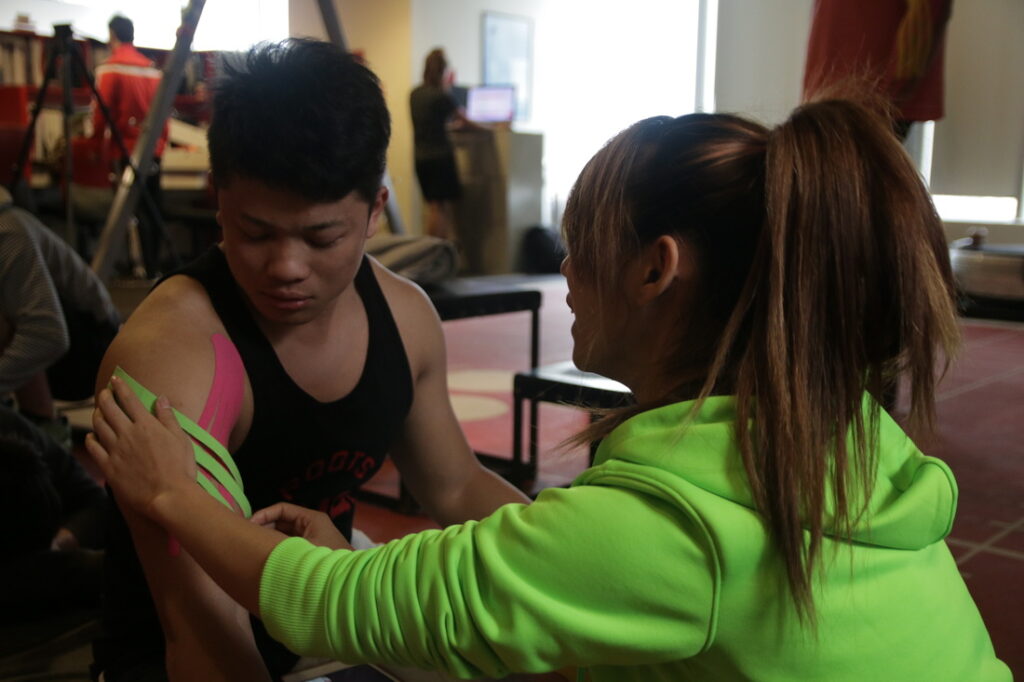
Most certified personal trainers see clients with aches, old injuries or postural habits every week. Taping gives you a simple, low-cost tool for comfort & confidence while they train. ITI’s Kinesiology Taping Clinic is 14 hours over 2 days, about 80% hands-on, with no prerequisites. It covers contraindications, the ‘Recoil System’, postural, preventative, edema & movement taping, and you receive an e-certificate. No CEUs are given for it yet. I wrote about it in detail in is a kinesiology taping course worth it for personal trainers?
2. Kettlebell coaching: a strength tool you’ll use daily
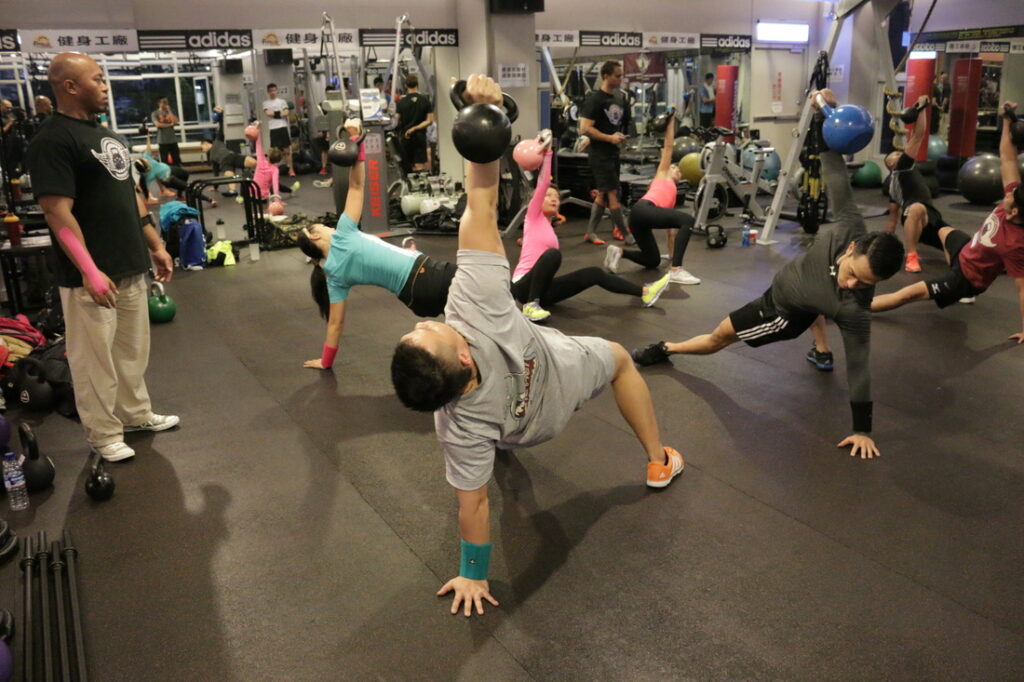
A kettlebell certification is one of the most useful additions for any fitness trainer, because you’ll use it in almost every session, with almost every fitness level. Kettlebell exercises build strength, power & conditioning with one small piece of kit, which suits a busy gym floor, a home or a park. ITI’s CKC Level 1 is 16 hours over 2 days with no prerequisites: day one is the swing, day two covers the rack, clean, press & squat. Testing is separate & must be done within three months, which I like, because a good certification should test your coaching, not just your attendance. My checklist for choosing one is in kettlebell certification in Singapore: what a good one should teach.
3. Functional Stretch Therapy: for stiff, desk-bound & older clients
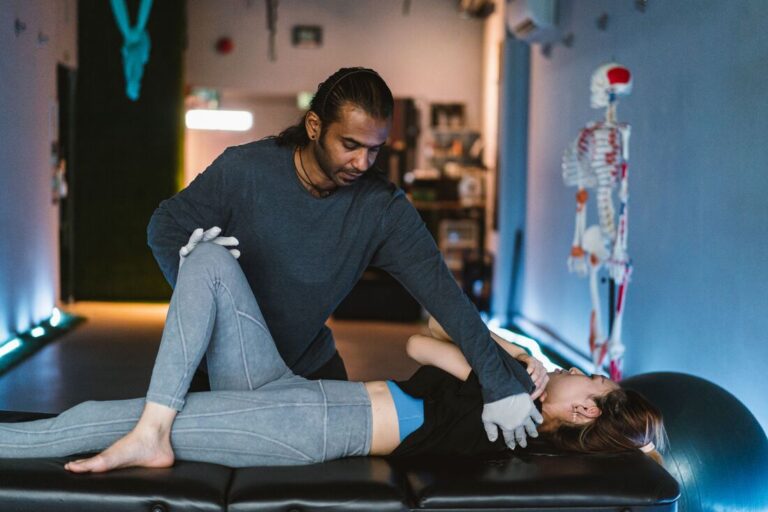
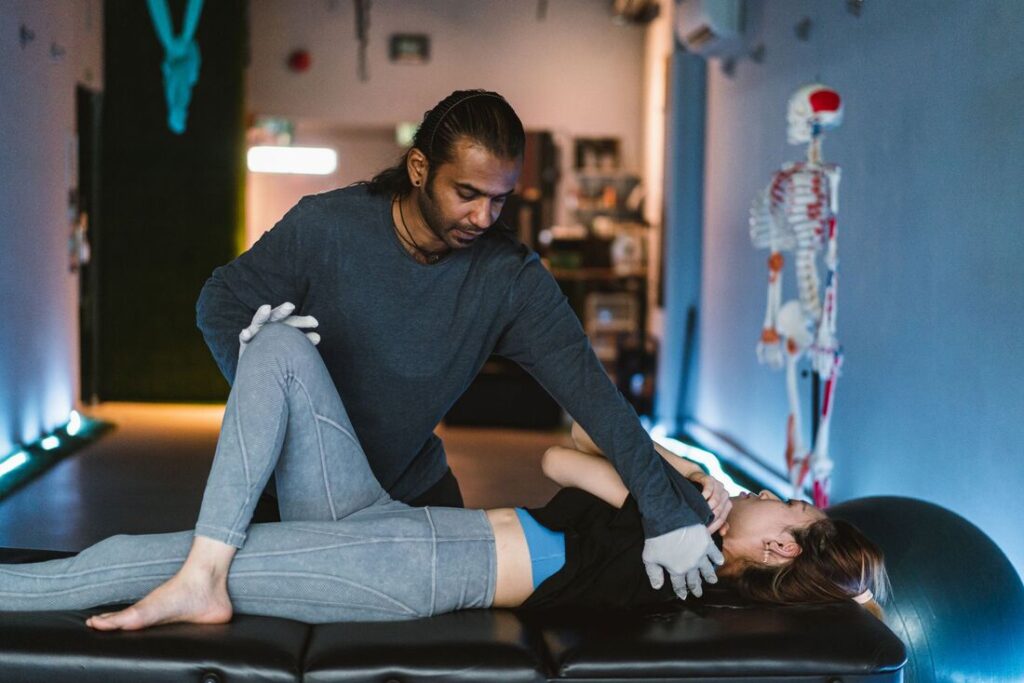
Many clients don’t need more intensity; they need to move better, & a fitness trainer who can help them do that stands out in the industry. Assisted stretching is a skill clients feel straight away, and it’s a natural add-on to personal training. ITI’s Functional Stretch Therapy (F.S.T) course has no prerequisites, though you’re encouraged to read up on anatomy terms & landmarks, because you’ll be tested on them. It covers PNF, MET, joint capsule tractions, functional assessments, palpation, fascial slings, breathing & professional scope of practice, which helps you spot the muscle imbalances & stiff areas that hold clients back. You complete it in 4 modules to become an F.S.T Certified Provider, and the course page lists physiotherapy & chiropractic clinics, sports performance & sports medicine centres, & mobile or self-employed work as places graduates go on to work.
4. IASTM or cupping: if you already do hands-on work
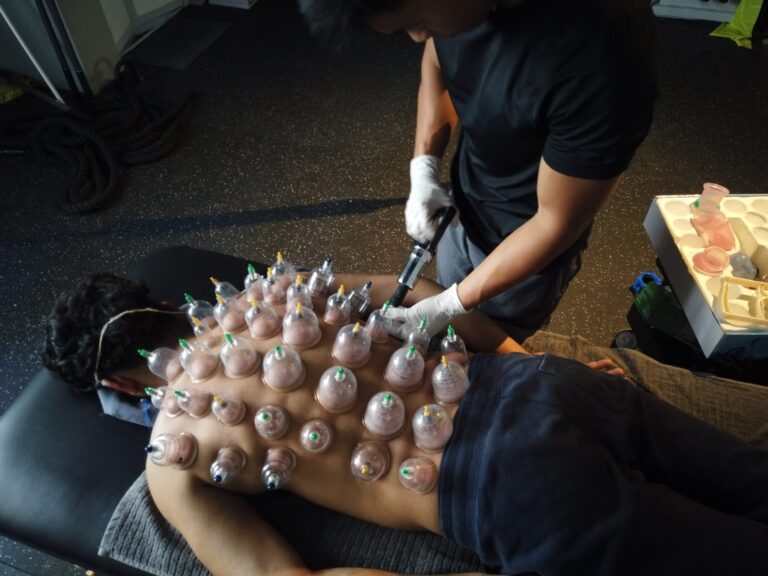
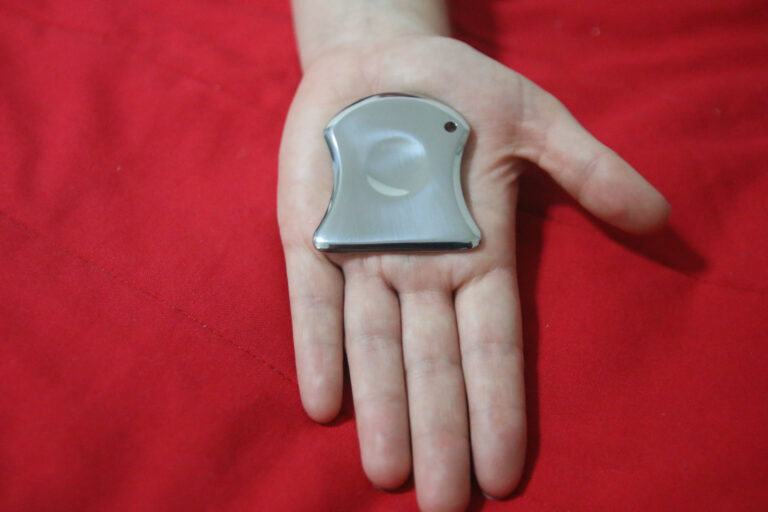
These are soft tissue tools, and they suit trainers who work with clients after injury, alongside a doctor or physio. The IASTM Clinic (16 hours) teaches you to scan & treat soft tissue restrictions with steel tools. The Cupping Therapy Clinic (14-20 hours) teaches a clinical approach to plastic & silicone cupping, & you keep a set of cups. Both list personal trainers among the people they’re for, and both are better as a second or third course than a first. Gross anatomy knowledge helps for both. ITI also offers an Advanced IASTM Practitioner certificate that’s listed as a free course: you submit a 2,500-word research thesis & 150 documented clinical cases, then pass online exams. It’s for experienced practitioners only.
5. BFR training: for strength work with lighter loads
Blood flow restriction training uses cuffs on the arms or legs so clients can train with lighter loads. It’s useful for athletes & for people who can’t load heavily yet, but it needs proper training before you use cuffs on anyone. ITI’s BFR course is 14 hours over 2 days, no prerequisites, with theory, lab work for the upper & lower limbs, programme planning, case studies & testing. Two upper-limb & two lower-limb cuffs are included, and the credential is BFR Certified Provider.
6. Breathwork: an underrated skill for every client
Every client breathes, and most do it badly under stress, load or hard exercise. I created BreathEra® because I wanted coaches & therapists to be properly trained in breathing. BreathEra®: Certified Breathing for Performance & Wellness is for health, fitness & wellness professionals who want to teach breathwork safely, from trainers & strength coaches to physiotherapists & yoga teachers. I explain why I think every coach needs it in my article on breathwork courses for coaches & therapists.
7. The long pathway: a sports medicine certificate
If you want to specialise in people with pain, injuries & long medical histories, short courses only go so far. ITI’s Sports Medicine Trainer certificate has three levels, each with 20 days of training & a 5-month internship (about 43 hours) at MSMC. Kettlebells, cupping, IASTM, BFR, kinesiology taping, stretch therapy & breathing are all inside it, and several of the short courses above can be combined & converted towards it. Right now it’s an intern intake by invitation only, so you register your interest rather than sign up. I explain what it adds in what a sports medicine certificate adds to a personal trainer’s career.
Certifications for fitness professionals compared
Here’s how the personal trainer certification add-ons on my list compare. Every one is run by ITI, so check each course page for the current details.
| Certification (ITI) | Length | Prerequisites | Skill type | Best if your clients… |
|---|---|---|---|---|
| Kinesiology Taping Clinic | 14 hours (2 days) | None | Hands-on, simple | Train around aches & old injuries |
| CKC Level 1 (kettlebells) | 16 hours (2 days) + a test | None | Strength coaching | Want strength & conditioning in less time |
| Functional Stretch Therapy | 4 modules | None; anatomy landmarks tested | Hands-on mobility | Are stiff, desk-bound or older |
| IASTM Clinic | 16 hours | Gross anatomy helps | Soft tissue tool | Come to you after injury, with their physio’s input |
| Cupping Therapy Clinic | 14-20 hours | Gross anatomy helps | Soft tissue tool | Want recovery work alongside training |
| BFR certification | 14 hours (2 days) | None | Training method | Are athletes, or can’t load heavily yet |
| Sports Medicine Trainer certificate | 3 levels, each 20 days + a 5-month internship | Invite-only intern intake | Full pathway | Have pain, injuries or complex histories |
What I’d skip, or leave for later
- Courses outside your scope. Dry needling, for example: ITI’s Dry Needling Clinic is for physiotherapists, chiropractors, osteopaths, medical practitioners, registered massage therapists & exercise or rehab specialists, not personal trainers.
- Five courses in one year. One skill, practised until you’re good, does more for client retention than a stack of certificates.
- Anything that promises results. Respected certifications teach you what a method can’t do as clearly as what it can.
- Online-only courses for hands-on skills. An online course at your own pace is fine for theory. Taping, stretching & soft tissue work need someone watching your hands.
How to choose your next certification
- List your last 20 clients. What did most of them need help with?
- Pick the skill that serves that need, & that you’ll use in at least half your sessions.
- Check it’s hands-on & tested. Ask how many hours are practical & how you’re assessed.
- Check it fits a bigger pathway. Short courses that build on your personal trainer certification & count towards a longer qualification are worth more over a career.
- Read the policies before you pay. For ITI courses, that’s the course policies page.
Think about your business too. A specialist skill can become one of the services you offer: assisted stretching sessions, a taping add-on, kettlebell small groups. That’s where many trainers see the difference in their week, not in the certificate itself. Expertise you can show a client is worth more than letters after your name. And keep the passion that got you into personal training: clients can tell when a trainer still loves the work.
Successful personal trainers I know didn’t get there through certificates alone. They got there by helping clients achieve their fitness goals safely, building trust over years, & being honest about what they could & couldn’t do. A good course speeds that up; it doesn’t replace it. If you’re in Singapore & weighing up personal trainer courses from the start, MSMC has a guide to choosing a personal trainer course in Singapore.
My verdict
For most certified personal trainers, start with kinesiology taping or kettlebell coaching, whichever fits your clients better. Add stretch therapy if you see a lot of stiff or older clients, & a soft tissue tool once you’re working with people after injury. If you know you want to specialise, register your interest in the Sports Medicine Certificate early. Whatever you choose, use it every week.
To see the next dates & fees, enquire about the course on its ITI page: Kinesiology Taping Clinic, CKC Level 1, Functional Stretch Therapy, IASTM Clinic, Cupping Therapy Clinic, BFR certification, BreathEra® & the Sports Medicine Certificate.
FAQs about certifications for personal trainers
What is the best qualification for a personal trainer?
First, a personal training certification that employers where you want to work accept, plus current CPR & AED. After that, the best qualification is the one that matches your clients & that you’ll use every week.
What should I learn first after my PT cert?
For most trainers, kinesiology taping or kettlebell coaching. Both are 2-day courses with no prerequisites, and you’ll use them straight away.
Is a personal trainer certificate worth it?
Yes, if you want to work as a trainer: most gyms require one, and it teaches you the fundamentals of safe training. On its own, though, it’s a starting point. Specialist skills are what set you apart.
Do more certifications mean more personal training clients?
Not by themselves. Clients come back because you help them. A certification helps when it gives you a skill they need & you use it well.
Can personal trainers learn dry needling?
Not on ITI’s Dry Needling Clinic, which is for clinicians & specific therapist groups. If your scope isn’t listed, ITI asks you to email to check eligibility.
Can I join the Sports Medicine Certificate now?
It’s an intern intake by invitation only right now. You register your interest on ITI’s Sports Medicine Certificate page.
Which certification is best for working with older clients?
From my list, Functional Stretch Therapy & kettlebell coaching are the most useful, because older clients usually need mobility & strength. If they have pain or medical conditions, the Sports Medicine Certificate goes further.
Do I need a certified personal training course before these?
For working with paying clients, yes: get your base personal trainer certification first. Some of the courses above, like kinesiology taping, kettlebells & BFR, have no prerequisites, so coaches & fitness enthusiasts can join too, but they’re built to add to a fitness trainer’s existing knowledge, not replace it.
Should personal trainers get a nutrition certification?
A nutrition course can help, as long as you stay within your scope. Personal trainers can give general healthy eating guidance that supports exercise & health; meal plans for medical conditions belong with a dietitian or doctor. If you choose a nutrition certification, check it’s accredited & taught by qualified professionals.
Which personal trainer certification is best in Singapore?
There isn’t one answer. Choose a personal trainer certification that is accredited, taught by experienced fitness professionals, includes a practical exam, & is accepted by the gyms or studios where you want to work. Ask them first. Then add specialist skills that suit your clients.
Can I do my trainer certification online?
Many personal training certifications offer an online course you can study at your own pace, which works for theory. Make sure there’s a practical assessment too, because coaching a real person is a different skill from passing an exam.
What’s the refund policy for ITI courses?
Please read ITI’s course policies before you register: https://www.itigrad.com/course-policies.html