Is pilates good for back pain? Yes. For most recurring lower back pain, pilates is a good, safe place to start, & research shows it can reduce pain & help you move better. But it isn’t the only answer: strength training with weights helps just as much, & for some backs it’s the better first step. Which one to start with depends on when your back hurts.
By Jab, sports medicine trainer. I’ve spent 20+ years helping people train, recover & move without pain, & I founded MSMC in Singapore & ITI, which trains physios, chiropractors & personal trainers. I’ve hired pilates instructors for my studio & I coach strength, so I have no reason to pick a side. Last updated 26 November 2026.
Key facts: is pilates good for back pain?
- Yes, for most lower back pain: pilates exercises build core stability, body awareness & control of the deep muscles that support the spine.
- Weights work too: reviews find no single exercise type clearly beats the others for lower back pain. The best one is the one you’ll keep doing.
- Start with pilates if your back hurts with sitting, feels stiff, or flares easily.
- Start with strength if your back hurts when lifting: kids, the pram, unloading groceries.
- See a doctor first if: you have numbness, leg weakness, pain after a fall, fever, or bladder or bowel changes.
Why your back keeps hurting: posture, body alignment & load
Most adults have at least one episode of lower back pain, & most aren’t from serious damage. The most common reasons I see in Singapore are long hours at a desk, poor posture that becomes an unconscious habit, weak hips, & sudden loads, like lifting a toddler out of the car seat or a heavy bag at the end of the MRT ride. New mums add a stretched core, a weaker pelvic floor & a lot of lifting on very little sleep. Over time that leaves tight muscles around the hips, weak glutes & muscular imbalances that put more pressure & stress on the lower back.
Joseph H Pilates built his method on a fundamental principle: control. Pilates increases awareness of how you sit, stand & move, so you become aware of unconscious habits & can implement healthier movement patterns. Its exercises focus on quality over quantity, proper alignment & learning to lengthen the spine instead of slumping. Weights build the strength to handle daily life without pain. Your back usually needs both, just in a different order.
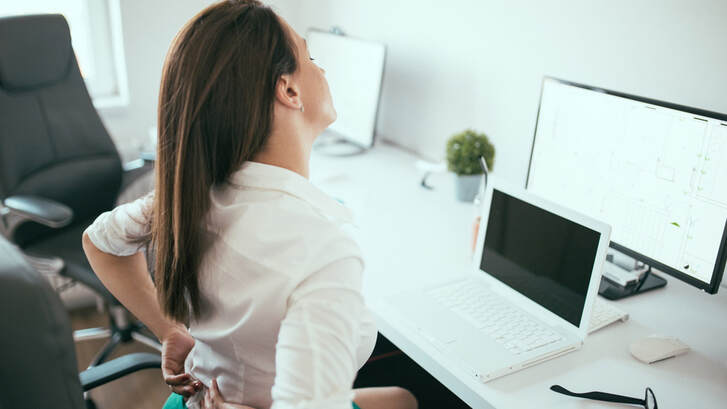
Pilates vs weights for back pain: what each does better
| Pilates | Strength training (weights) | |
|---|---|---|
| Best at | Core stability, breathing, body alignment, good posture, mobility, confidence | Strength for lifting, carrying & bending, bone & muscle |
| Best for | Back pain from sitting, stiffness, fear of moving | Back pain when lifting, feeling weak, gym-goers |
| Starting point | Gentle, on a mat or reformer | Light weights with good technique |
| Watch out for | Classes that move too fast; lots of curling if it flares you | Too heavy too soon; poor hip hinge |
| How often | Two sessions a week | Two sessions a week |
Research backs both. A Cochrane review found pilates helps lower back pain more than minimal care, but not clearly more than other exercise. Strengthening exercises with weights show similar benefits for pain & daily activities. So pick the one that fits your back & your life.
Which should you start with? A 2-minute self-check
If you’ve experienced lower back pain more than once, this tells you where to begin.
- Sitting test: does your back ache after 30-60 minutes sitting, & ease when you walk? Start with pilates.
- Lifting test: does it hurt to pick up your child, a laundry basket or groceries from the floor? Start with strength.
- Stiffness test: stand & reach for your toes. If you’re stiff & guarded, start with pilates for mobility.
- Hold test: can you hold a side plank on your knees for 20 seconds each side, or stand on one leg for 30? If not, both will help; pilates first.
- New mum? Get your doctor’s postnatal check first, & ask whether a women’s health physio should look at your pelvic floor & tummy gap.
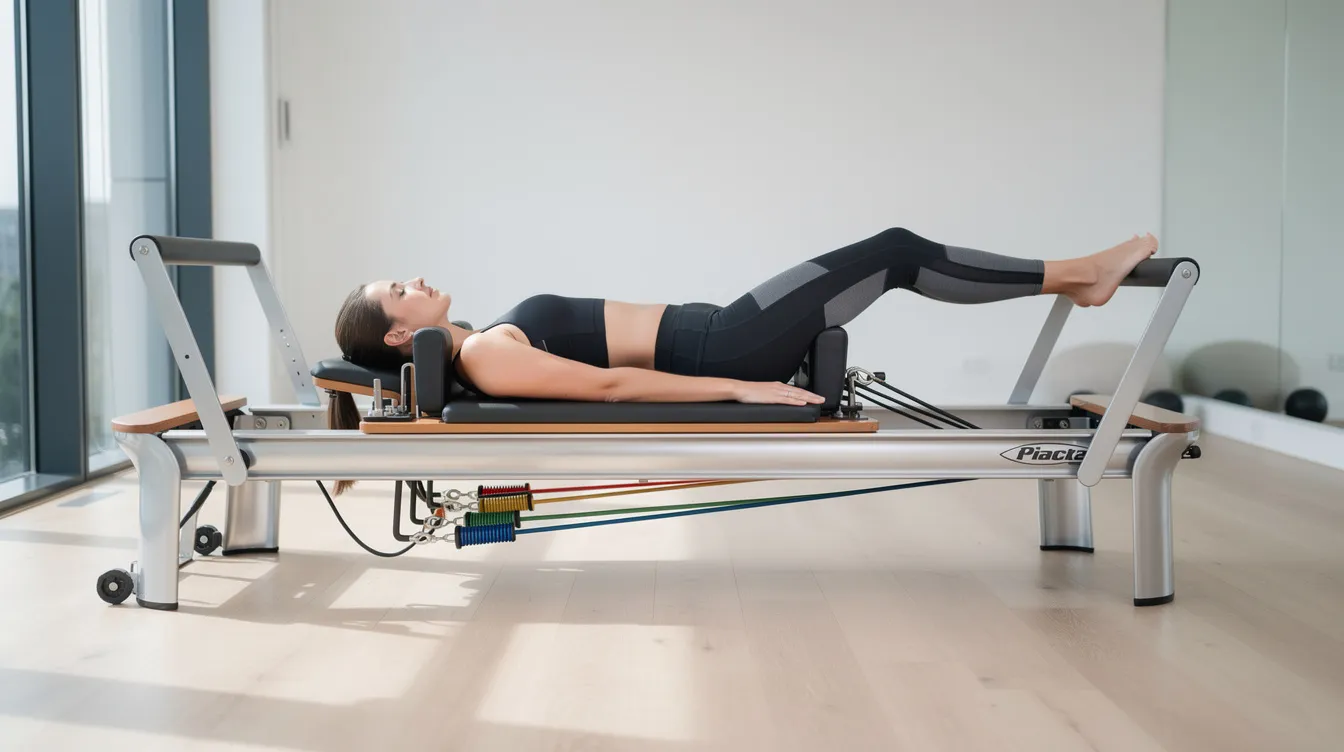
The pilates exercises I’d start with for your core muscles
These improve core stability & strengthen the deep muscles around your spine. Do them 3 times a week, 15-20 minutes. Focus on slow control, engage gently, breathe out on the effort, & stop if discomfort goes past 3 out of 10.
- Breathing with the diaphragm: lie on your back, knees bent, breathe low into your ribs, then gently draw in your lower tummy (the transversus abdominis). 5 slow breaths.
- Dead bug: 2-3 sets of 6 each side. Easier: move only your legs. Harder: straighten the leg further.
- Bird dog: 2 sets of 6-8 each side, hold 3 seconds. Keep one hip from dropping. Easier: arm or leg only.
- Bridge: 2 sets of 10. Harder: lift one leg.
- Side-lying clam: 2 sets of 12 each side, to stabilise the hips.
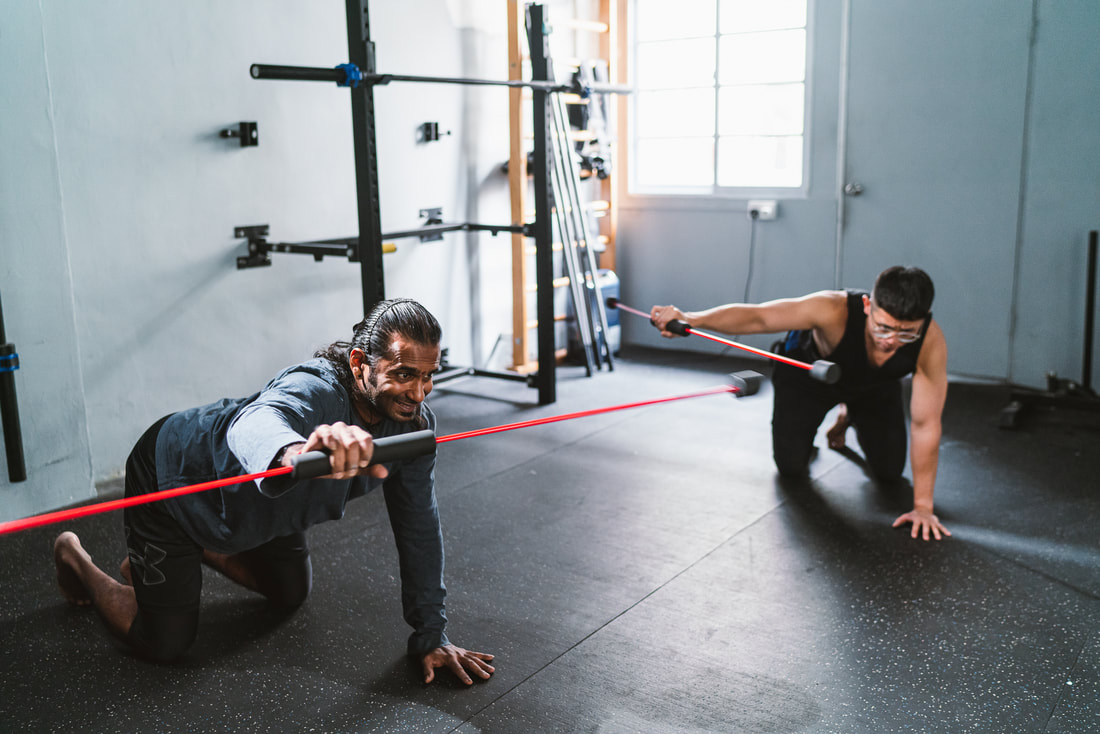
The strength exercises I’d add
Twice a week, once pilates feels easy, or from day one if lifting is your problem. Strengthening your hips, legs & back means your joints & spine share the load:
- Goblet squat to a chair: 3 sets of 8. Easier: bodyweight. Harder: heavier kettlebell.
- Hip hinge, then kettlebell deadlift: practise with a broomstick along your back, 2 sets of 10, then add a light kettlebell, 3 sets of 8.
- Suitcase carry: walk 20 metres holding a weight in one hand, stand tall, 3 times each side. Great for carrying a baby bag or shopping.
- Band or cable row: 3 sets of 10 for the upper back & posture.
What to avoid
Staying in bed, long sitting without breaks, & an increased dependence on massage or adjustments alone. Hands-on treatment can give short relief, but your muscles need to do the work. Skip sit-ups & fast twisting while your back is flaring.
Pain relief: how to relieve back pain fast at home
Keep moving: short walks every hour, gentle movements like knee rocks & pelvic tilts, & heat for 15-20 minutes. Ask a pharmacist or doctor about pain relief. Most back strains settle within days to a few weeks.
Red flags: see a doctor first
See a doctor before you exercise if you have numbness or weakness in a leg, pain spreading below the knee, back pain after a fall or accident, fever, unexplained weight loss, or any change in bladder or bowel control (that last one is urgent).
What to do this week
| Day | What to do |
|---|---|
| Mon | Do the self-check; pilates exercises, 15 minutes |
| Tue | Walk 20-30 minutes; stand up every 30 minutes at work |
| Thu | Pilates exercises again; add 1 strength exercise |
| Sat | Strength: hip hinge, goblet squat, suitcase carry, row |
| Every day | Breathing drill before bed, 5 breaths |
If you’d rather have someone guide you
If your back keeps coming back, my team of sports medicine trainers at MSMC can help, including a trainer with a physiotherapy background. We start with a $190 full assessment: we test how you sit, bend, lift & balance, find out whether you need control or strength first, & build personal training around your work, your kids & your back. We don’t diagnose, & we’ll tell you if you should see a doctor first.
Prefer a class? Use my code READ10 for 10% off one class at MSMC (once per person). Book on MSMC’s class schedule & enter READ10 at checkout. A stretch & mobility class is a gentle place to begin.
Worried you’ll make it worse, or don’t know where to start? Read this
It’s normal to be nervous when your back has let you down before, especially with a baby to carry or a full workday ahead. Here’s what happens if you come to us:
- Book the full assessment, or message MSMC with your questions first.
- We listen: when it hurts, what you’ve tried, & what your days look like.
- We test: sitting, bending, lifting & balance, so we know where to start.
- You get a plan: pilates-style control, strength, or both, coached every session until lifting & sitting feel normal again.
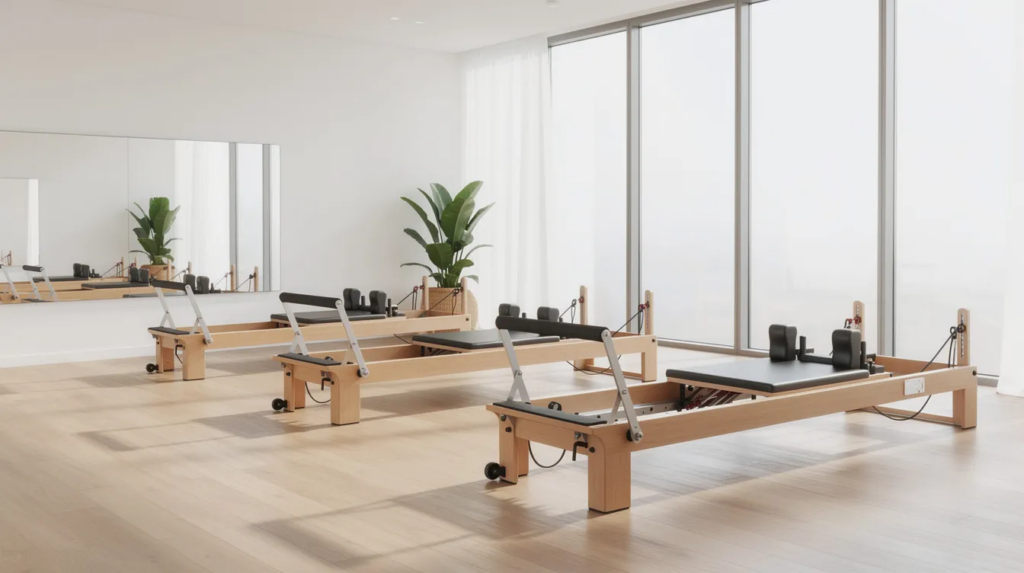
If you’d like a reformer studio, see my 3 best reformer pilates classes in Singapore & my guide to reformer pilates for joint pain.
FAQs
Can pilates help with lower back pain?
Yes. Pilates can reduce lower back pain & improve how you move, especially for back pain from sitting & stiffness. It works best done regularly, twice a week. If you’re nervous, clinical pilates is a gentle way to begin.
Is pilates or the gym better for back pain?
Neither is clearly better. Start with pilates if your back hurts when sitting or flares easily, & with strength training if it hurts when lifting. Most people do best with both.
Is reformer pilates good for back pain?
Yes, for most people. The springs support & guide you, which helps if you’re nervous. Tell the instructor about your back.
What is clinical pilates?
Clinical pilates is pilates taught by a physio, usually one-to-one or in small groups, & adapted to your injury. It’s a good choice if you’ve had a recent flare or a diagnosis.
How long does it take to recover from a back strain?
Most back strains improve within a few days to a few weeks with gentle movement. If it isn’t better in 6 weeks, get it checked.
Is pilates safe after having a baby?
Usually, once your doctor has cleared you at your postnatal check. Start with breathing, pelvic floor & gentle core work, & choose an instructor trained in postnatal pilates.
My verdict
Pilates is good for back pain, & it’s my first choice when your back hurts from sitting or feels fragile. If it hurts when you lift, start with weights. Either way, within a month you should be doing a bit of both.
Book your $190 full assessment at MSMC